
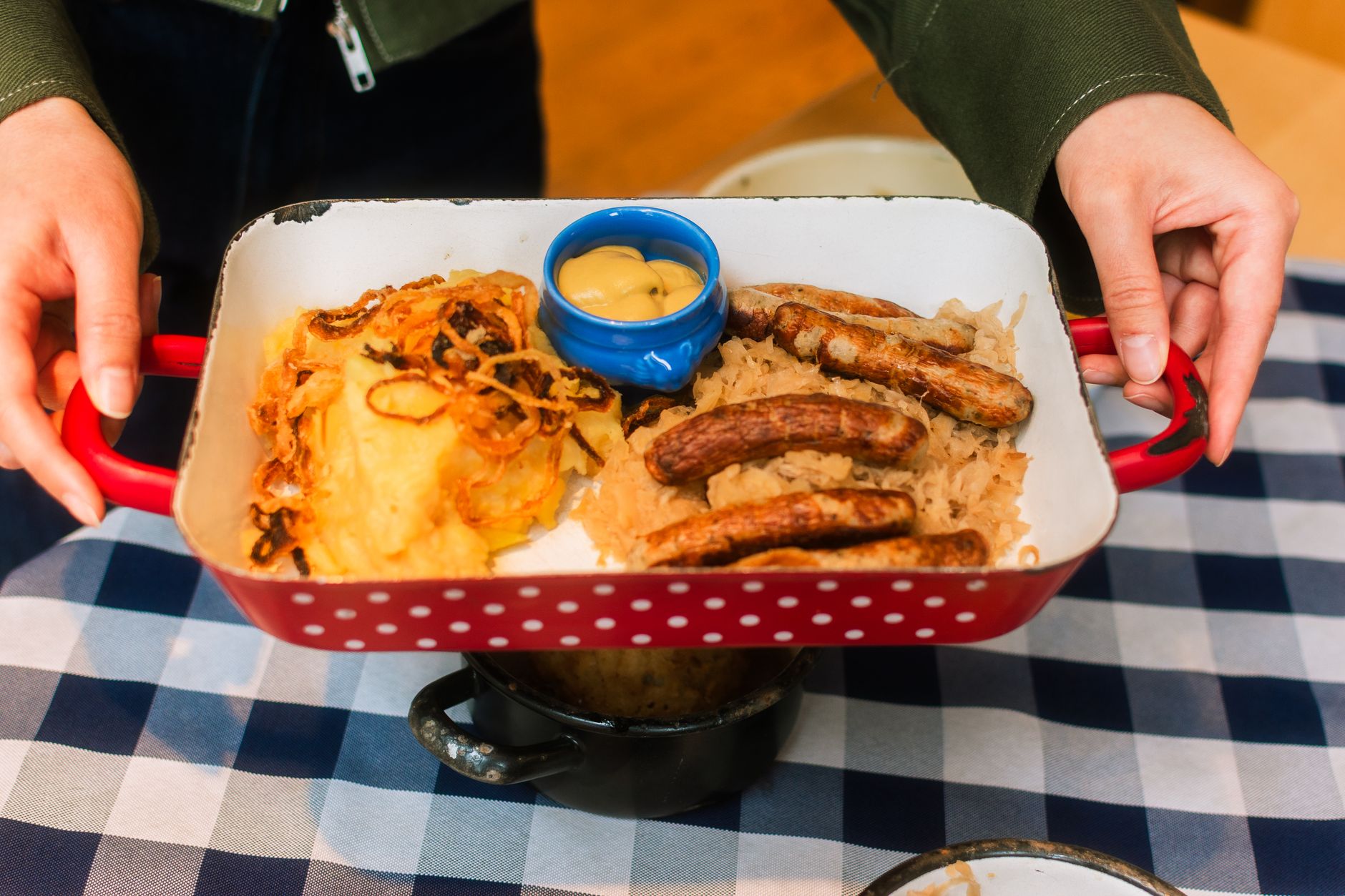
When exploring the rich culinary landscape of Germany, the question “What do Germans eat?” can lead to delightful discoveries. German cuisine is known for its hearty flavors, diverse ingredients, and traditional practices that vary across regions.
In this article, we will delve into the essential ingredients, flavors, and typical meals found within German cuisine. From iconic dishes to regional specialties and eating customs, understanding what Germans eat will help you appreciate the depth and variety of their food culture.
What Do Germans Eat?
The typical diet in Germany consists of a mix of regional delicacies, hearty meats, seasonal vegetables, and traditional baked goods. Bread, potatoes, and sausages are staples, while region-specific dishes celebrate local ingredients and heritage. Popular meals are often filling and comforting, reflecting Germany’s history and agricultural bounty.
The Staples of German Cuisine
To understand German cuisine, one must explore the common ingredients and staples that form the foundation of many dishes. These include:
- Bread: Germany offers a variety of breads, with over 300 types, including rye, sourdough, and whole wheat.
- Potatoes: Versatile in both preparation and flavor, potatoes are a key ingredient used in salads, dumplings, and sides.
- Meats: Pork is especially popular, found in dishes like schnitzel and sausages. Beef and chicken also feature prominently.
- Cabbage: Used in salads, side dishes, and fermented as sauerkraut, cabbage is a beloved vegetable in Germany.
- Herbs and Spices: Simple seasoning is common, with parsley, chives, thyme, and dill being widely used.
- Dairy: Cheese and yogurt are frequent, with several regional varieties to choose from.
- Beer: Germany is famous for its beer, especially lagers and wheat beers, often enjoyed with meals.
Popular German Dishes
Many dishes are emblematic of German cuisine, showcasing regional ingredients and flavors. Here are some must-try dishes:
Sauerbraten
Sauerbraten is a pot roast, typically made from beef, marinated for several days in a mixture of vinegar, water, and various spices. The slow cooking process results in flavorful, tender meat, often served with red cabbage and potato dumplings. The dish embodies the rich, comforting essence of German cooking.
Bratwurst
A quintessential German sausage, bratwurst is made from pork, beef, or veal, seasoned with various herbs and spices. It’s traditionally grilled and served with mustard and bread. Each region boasts its own variation, which contributes to its popularity throughout the country.
Spätzle
This egg noodle is a staple side dish in many German meals. Spätzle can be served plain, topped with cheese, or incorporated into casseroles, providing a soft, chewy texture that complements heartier dishes.
Black Forest Cake
A rich and decadent dessert, Black Forest Cake features layers of chocolate sponge cake, cherries, and whipped cream. This iconic cake is both visually stunning and indulgently flavorful, making it a popular choice for celebrations.
Regional Variations in German Cuisine
German cuisine varies widely by region, with different areas offering unique dishes based on local ingredients and traditions. Here’s a closer look at notable regional cuisines:
Bavarian Cuisine
Bavaria is known for its hearty dishes like Weisswurst (white sausage), pretzels, and various meats served with potato salad or sauerkraut. The region boasts a vibrant beer culture, with Oktoberfest celebrating the famous local brews.
Swabian Cuisine
Famous for Spätzle, Swabian cuisine incorporates fresh ingredients and is characterized by dishes like Maultaschen (German ravioli). The food is comfort-focused and often accompanied by rich gravies.
North German Cuisine
This region emphasizes seafood, given its coastal location. Fish dishes, such as Matjes (pickled herring) and Labskaus (corned beef in a potato-based dish), are commonly enjoyed. Rye bread also features heavily in daily meals.
Rhineland Cuisine
Known for its fine wines and dishes like Sauerbraten, Rhineland cuisine blends influences and is famous for both sweet and savory pastries, reflecting an appreciation for flavor diversity.
Common Ingredients and Their Uses
Each ingredient has its own unique characteristics while contributing significantly to the overall flavor profile of German dishes. Here’s a closer look at some critical ingredients:
Potatoes
In German cuisine, potatoes are not just a side dish; they form the base of numerous traditional recipes. You might find them baked, boiled, mashed, or fried. Dishes like Kartoffelsalat (potato salad) are celebrated for their varied preparation styles, with each region adding its unique twist.
Meat
Pork reigns supreme, particularly in the form of sausages like bratwurst and currywurst. These meat products are often used for grilling, frying, or simmering, contributing a robust flavor to various meals. Beef and chicken are also part of everyday menus, particularly in stews and roasts.
Cabbage
Cabbage is versatile, appearing as a fresh salad or fermented like sauerkraut. It adds a crunchy texture and tangy flavor to meals and serves as an excellent accompaniment to rich meats.
Herbs and Spices
While German cuisine usually relies on simple seasoning, herbs like parsley and chives elevate dishes with fresh flavors. The muted use of spices allows the natural taste of the ingredients to shine.
How to Serve Traditional German Dishes
Serving German food often involves creating a communal dining experience, where family and friends gather to enjoy hearty meals together. Here are some tips for serving traditional German dishes:
- Plate presentation: Dishes like Sauerbraten can be served with a side of red cabbage and dumplings, arranged beautifully on a plate.
- Accompaniments: Mustard, sauerkraut, or apple sauce can enhance the meal’s flavor. It’s customary for diners to choose their preferred accompaniments.
- Beer pairing: Serve traditional beer varieties to complement the meal. Lagers pair well with sausage, while wheat beers work nicely with lighter dishes.
- Family-style serving: Consider serving food in larger platters for guests to help themselves. It emphasizes community and togetherness.
Common Mistakes in Preparing German Dishes
While creating traditional German dishes, a few common pitfalls can affect the dish’s authenticity and flavor:
- Overcooking: Meats like pork and beef should be cooked until tender but not dry. Use a thermometer to check internal temperatures correctly.
- Skipping marination: Dishes like Sauerbraten benefit from extended marination. Rushing this step can lead to less flavorful results.
- Ignoring regional variations: Different areas have unique ways of preparing the same dish. Understanding local customs can enrich your culinary experience.
- Neglecting side dishes: Side dishes play a significant role in a complete German meal. Don’t overlook traditional accompaniments like spätzle, dumplings, or salads.
Meal Planning with German Cuisine
When planning meals featuring German cuisine, consider the following tips for variety, balance, and preparation:
Incorporating Variety
To prevent monotony, include a mix of meat, vegetarian, and hearty dishes. For instance, a week might incorporate:
- Monday: Sauerbraten with red cabbage and dumplings
- Tuesday: Bratwurst with potato salad
- Wednesday: Spätzle with mushroom sauce
- Thursday: Maultaschen with a side of vegetables
- Friday: Fish dishes with fresh salad
- Saturday: Black Forest Cake for dessert
- Sunday: A traditional Bavarian breakfast spread
Batch Cooking
Batch cooking can be an effective strategy. Consider making larger quantities of dishes like sauerkraut or potato salad, which can last in the refrigerator for several days. Freezing portions of soups or stews ensures you have easy meals available in busy weeks.
Shopping Tips
When shopping for ingredients, prioritize local markets that offer fresh produce and artisanal products. Look for specialty stores that may carry authentic German sausages, cheeses, and breads.
Be mindful of seasonal ingredients, as many German dishes celebrate the harvest. For example, root vegetables are popular in winter, while fresh greens dominate spring menus.
Storing and Reheating German Dishes
Proper storage ensures that your German meals retain their delicious flavors and textures. Here’s how to handle leftovers:
- Refrigeration: Store dishes in airtight containers to maintain freshness. Most German dishes last in the refrigerator for up to four days.
- Freezing: Many cooked meals like soups, stews, and certain pasta dishes freeze well. Portion into containers and label with dates.
- Reheating: To reheat, use the stovetop or oven rather than a microwave, as this helps retain moisture and texture. Ensure food reaches an appropriate temperature before serving.
Conclusion
German cuisine is diverse, hearty, and steeped in tradition. By exploring the ingredients, flavors, and techniques unique to this culinary landscape, you can create authentic German meals that bring a taste of Germany into your kitchen. Whether enjoying a comforting bowl of sauerbraten or indulging in rich Black Forest Cake, there are countless opportunities to savor the essence of Germany through food.
For additional culinary inspiration, check out these related recipes: German Chocolate Cake and German Red Cabbage Recipe.