
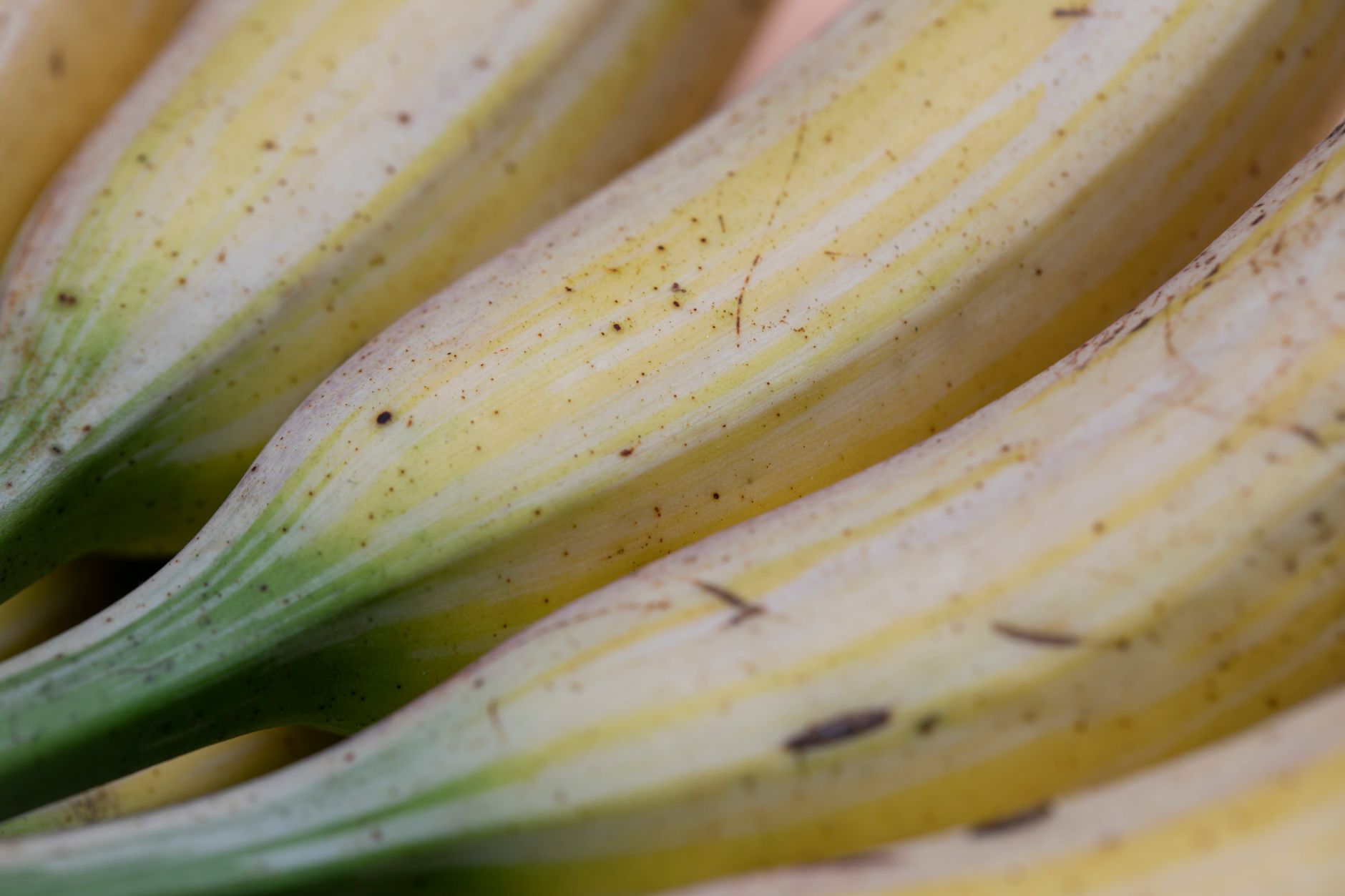
Bananas are not only a delicious and convenient snack but also a great source of essential nutrients, including magnesium. Understanding how much magnesium is in a banana can help you make informed dietary choices. In this article, we will explore the magnesium content in bananas, their nutritional significance, and how you can incorporate them into your diet effectively.
This guide will not only answer the question of magnesium content but will also delve into the health benefits of bananas, serving sizes, and ways to enjoy this versatile fruit. Whether you’re looking to increase your magnesium intake or simply love the taste of bananas, this comprehensive resource is designed to help.
How Much Magnesium in a Banana?
Bananas typically contain around 27 to 32 milligrams of magnesium per medium-sized fruit, which is approximately 7% of the recommended daily intake for adults. This amount can vary slightly depending on the size and ripeness of the banana. Incorporating bananas into your diet can contribute to your magnesium levels, alongside other essential nutrients.
Understanding Magnesium and Its Importance
Magnesium is a vital mineral that plays a crucial role in numerous physiological functions in the body. It is involved in enzyme activation, muscle contraction, nerve transmission, and energy production. A deficiency in magnesium can lead to various health issues, including muscle cramps, fatigue, and even anxiety.
Recommended Daily Intake of Magnesium
The recommended daily intake (RDI) of magnesium varies by age and gender. Adult men should aim for approximately 400-420 mg per day, while adult women need about 310-320 mg. Pregnant and lactating women require slightly more. Here’s a breakdown of the RDI of magnesium by age and gender:
| Age Group | Men (mg) | Women (mg) |
|---|---|---|
| 19-30 years | 400 | 310 |
| 31 years and older | 420 | 320 |
| Pregnant women | 350-400 | |
| Lactating women | 310-360 | |
Health Benefits of Magnesium
Increasing your magnesium intake through foods like bananas can lead to several health benefits, including:
- Improved Heart Health: Magnesium helps regulate heart rhythms and maintain healthy blood pressure.
- Bone Health: Adequate magnesium levels are essential for bone development and maintenance.
- Muscle Function: Magnesium helps muscles contract and relax, reducing the risk of cramps.
- Nervous System Support: Magnesium contributes to proper nervous system function, helping to manage stress and anxiety.
Ways to Incorporate Bananas into Your Diet
Bananas are incredibly versatile and can be enjoyed in various ways. Here are some practical ideas for incorporating them into your meals and snacks:
Raw Snacking
The simplest way to enjoy bananas is to eat them raw. They make for a portable snack that requires no preparation. Pair them with a tablespoon of nut butter for added flavor and nutrition.
Breakfast Smoothies
Add bananas to your breakfast smoothies for creaminess and natural sweetness. Combine them with your choice of yogurt, spinach, and other fruits to create a nutrient-rich beverage.
Baking
Bananas are a popular ingredient in baking, particularly in banana bread and muffins. Their natural sugars can reduce the need for added sweeteners, and they contribute to moisture and flavor.
Cereal Topping
Slice bananas over your morning cereal or oatmeal for added sweetness and nutrition. This simple addition can enhance the meal’s overall flavor and texture.
Banana Serving Sizes and Their Magnesium Content
To better understand how much magnesium you can obtain from bananas, let’s break down the magnesium content based on various serving sizes:
| Serving Size | Magnesium Content (mg) |
|---|---|
| 1 small banana (6-7 inches) | 23 |
| 1 medium banana (7-8 inches) | 27 |
| 1 large banana (8-9 inches) | 32 |
Common Misconceptions About Bananas and Magnesium
While bananas are a good source of magnesium, they are sometimes misunderstood as being the ultimate solution for boosting magnesium levels. Here are some common misconceptions:
Misconception: Bananas are the richest source of magnesium
While bananas do contain magnesium, they are not the richest source. Foods like nuts, seeds, whole grains, and leafy green vegetables contain higher amounts of magnesium per serving.
Misconception: One banana a day is enough
Depending on your dietary needs, consuming just one banana may not meet your magnesium requirements. It’s essential to include a variety of magnesium-rich foods to achieve optimal intake.
Cooking with Bananas: Tips and Techniques
Cooking with bananas can enhance their flavors and textures in various recipes. Here are some tips for using bananas in your culinary endeavors:
Ripe vs. Unripe Bananas
The ripeness of bananas affects their flavor and usability. Ripe bananas are sweeter and softer, making them ideal for smoothies and baking. Unripe bananas are firmer and can be used in savory dishes or salads.
Mash for Baking
Mashing bananas makes them easier to incorporate into recipes like banana bread and pancakes. Aim for a smooth consistency to evenly distribute the flavor throughout the dish.
Caramelizing Bananas
Caramelizing bananas in a skillet can enhance their natural sweetness and create a new flavor profile. Use a little butter or oil, and cook them over medium heat until golden brown.
Common Mistakes When Selecting and Storing Bananas
To maximize the benefits of bananas, it’s crucial to know how to select and store them properly. Here are some common mistakes to avoid:
Choosing Underripe Bananas
When purchasing bananas, choose fruits that are slightly green for longer shelf life or those that are yellow with slight speckles for a sweet taste. Avoid bananas that are overly bruised or dark as they may be overripened or spoiled.
Improper Storage
Storing bananas in the refrigerator can hinder their ripening process. It’s best to keep bananas at room temperature until they ripen. If a banana is getting overly ripe, move it to the refrigerator to slow down further ripening, but be aware that the skin will darken.
Conclusion
Bananas are a convenient and nutritious fruit that can enhance your intake of magnesium, among other essential nutrients. With approximately 27 to 32 milligrams of magnesium in a medium banana, they serve as a healthy addition to various meals and snacks. Remember to combine bananas with other magnesium-rich foods for a balanced diet. As you explore ways to incorporate bananas into your meals, you can enjoy their natural sweetness while boosting your magnesium intake.
To further your culinary knowledge, consider checking out how much fiber is in a banana at this resource, and learn about the origins of bananas at this guide.