
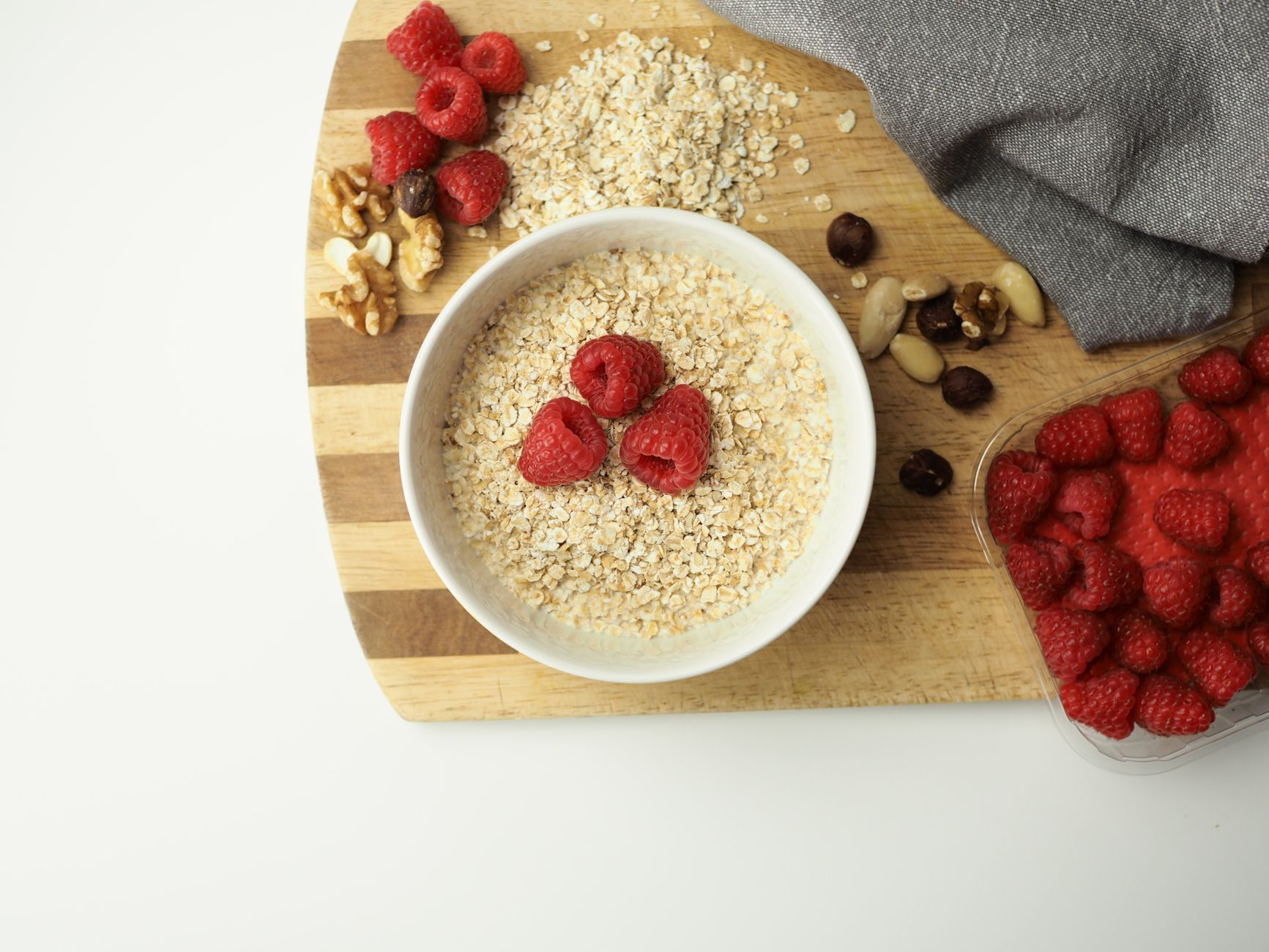
Cholesterol management is crucial for heart health, and diet plays an essential role in regulating cholesterol levels. The right food choices can help you lower cholesterol and enhance overall well-being. This guide will explore foods to include in your diet, portion sizes, and meal planning tips for effective cholesterol control.
Incorporating a variety of heart-healthy foods can significantly impact your cholesterol levels. By focusing on dietary choices, such as whole grains, fruits, vegetables, healthy fats, and lean proteins, you can create delicious meals that support your health while still satisfying your taste buds.
What to Eat to Lower Your Cholesterol?
To lower your cholesterol, focus on foods that are rich in soluble fiber, healthy fats, and antioxidants while avoiding trans fats and excessive saturated fats. Incorporate fruits, vegetables, nuts, seeds, whole grains, and lean protein sources into your meals.
Understanding Cholesterol Types
Before diving into food choices, it’s essential to know about cholesterol types. Cholesterol is a waxy substance found in your body and belongs to two major types:
- Low-Density Lipoprotein (LDL): Often referred to as “bad” cholesterol, high levels of LDL can lead to plaque buildup in arteries, increasing the risk of heart disease.
- High-Density Lipoprotein (HDL): Known as “good” cholesterol, HDL helps transport LDL cholesterol away from arteries and back to the liver for removal, thus lowering heart disease risk.
Foods to Include for Cholesterol Management
Here are some key food categories that can aid in lowering cholesterol:
1. Fruits and Vegetables
Fruits and vegetables are rich in vitamins, minerals, fiber, and antioxidants. These nutrients help lower cholesterol and improve heart health. Aim for a variety of colors:
- Apples: High in pectin, a type of soluble fiber that helps lower cholesterol.
- Bananas: Rich in potassium and fiber, supporting overall heart health.
- Berries: Packed with antioxidants, which may help lower LDL levels.
- Leafy Greens: Spinach, kale, and Swiss chard are great for their fiber content.
- Citrus Fruits: Oranges and grapefruits are high in vitamin C and soluble fiber.
2. Whole Grains
Whole grains are an excellent source of soluble fiber, which is known to reduce cholesterol levels:
- Oats: Contains beta-glucan, a type of soluble fiber that helps reduce cholesterol absorption.
- Brown Rice: A whole grain option high in B vitamins and fiber.
- Quinoa: A gluten-free grain that is high in protein and fiber.
- Barley: Another great source of beta-glucan, ideal for soups and salads.
3. Healthy Fats
Incorporating healthy fats is vital for heart health. Opt for:
- Avocados: Rich in monounsaturated fats, which can help to lower LDL cholesterol levels.
- Olive Oil: Contains antioxidants and healthy fats that promote heart health.
- Nuts and Seeds: Almonds, walnuts, flaxseeds, and chia seeds provide omega-3 fatty acids and fiber.
4. Lean Protein Sources
Replace red meat and processed meats with lean protein sources:
- Fish: Fatty fish like salmon, mackerel, and sardines are high in omega-3 fatty acids, which can help lower cholesterol.
- Poultry: Skinless chicken and turkey are healthier protein options.
- Legumes: Lentils and beans are excellent sources of protein and fiber.
5. Legumes
Beans, lentils, chickpeas, and other legumes are high in soluble fiber, which helps reduce cholesterol:
- Chickpeas: Great in salads or made into hummus.
- Black Beans: Packed with fiber and protein, suitable for various cuisines.
- Lentils: Excellent for soups and stews, very versatile.
Portion Sizes for Cholesterol-Lowering Foods
Understanding how much to eat is as important as what to eat. Here’s a guide on appropriate portion sizes for heart-healthy foods:
Fruits and Vegetables
- Fruits: 1 medium-sized piece or 1 cup of chopped fruit.
- Vegetables: 1 cup raw or ½ cup cooked.
Whole Grains
- Cooked grains: 1 cup (e.g., brown rice or quinoa).
- Oats: ½ cup dry for oatmeal.
Healthy Fats
- Olive oil: 1 tablespoon for cooking or dressing.
- Nuts: 1 ounce (about a small handful) per day.
- Avocado: ¼ to ½ avocado depending on variety.
Lean Protein Sources
- Fish or poultry: 3 to 4 ounces cooked (about the size of a deck of cards).
- Legumes: ½ cup cooked.
Meal Planning for Lower Cholesterol
Planning your meals can make it easier to maintain a diet that supports healthy cholesterol levels. Here’s a simple meal plan to get started:
Sample 1-Day Meal Plan
- Breakfast: Oatmeal topped with sliced bananas and walnuts.
- Snack: An apple or a small handful of almonds.
- Lunch: Quinoa salad with chickpeas, spinach, cherry tomatoes, and olive oil dressing.
- Snack: Carrot sticks with hummus.
- Dinner: Grilled salmon with steamed broccoli and brown rice.
- Dessert: Berries with a dollop of Greek yogurt.
Cooking Techniques for Healthy Eating
Cooking methods can also affect cholesterol. Here are some heart-healthy techniques to consider:
1. Grilling and Broiling
These methods allow fat to drip away from the food, resulting in healthier meals. They are suitable for fish, chicken, and vegetables.
2. Steaming
Steamed vegetables retain more nutrients than cooked in water. Steaming also brings out the natural flavors without needing added fats.
3. Baking
Baking can be a healthy alternative to frying, reducing fat while still achieving delicious results. Opt for whole ingredients and healthy fats when baking.
4. Sautéing with Healthy Oils
Use olive oil for sautéing instead of butter. Opt for a light coating of oil to keep meals lower in fat.
Practical Substitutions for Heart-Healthy Cooking
Making simple ingredient swaps can elevate your meals while supporting your cholesterol goals:
- Replace butter with mashed avocado or olive oil in recipes.
- Choose whole grain versions of bread, pasta, and rice rather than refined grains.
- Opt for Greek yogurt instead of sour cream or cream-based dressings.
- Use nuts and seeds for added texture and flavor in salads and grain bowls.
Common Mistakes to Avoid
When aiming to lower your cholesterol, be mindful of these common pitfalls:
- Overlooking portion sizes: Eating healthy foods in large portions can still lead to excess calories.
- Assuming all fats are bad: Choose healthy fats but limit saturated and trans fats found in processed foods.
- Ignoring labels: Always check for hidden sugars and unhealthy fats in packaged foods.
Building a Balanced Plate
To effectively manage cholesterol, focus on creating a balanced plate comprising a good mix of food groups:
- Fill half your plate with fruits and vegetables.
- Stick to complex carbohydrates like brown rice, whole grain pasta, or quinoa for one-quarter of your plate.
- Include a lean protein source for the remaining quarter, such as fish, chicken, legumes, or tofu.
Eating Out Mindfully
Dining at restaurants doesn’t have to derail your cholesterol goals. Here are some tips for making heart-healthy choices when eating out:
- Choose grilled, baked, or steamed options instead of fried foods.
- Ask for dressings and sauces on the side to control portions.
- Substitute sides of fried potatoes with salads or roasted vegetables.
- Be cautious with portion sizes; consider sharing an entrée or requesting a to-go box at the start of your meal.
Storage Tips for Heart-Healthy Foods
Proper storage of food can help retain its nutritional value:
- Store fruits and vegetables in a cool, dark place or the refrigerator to prevent spoilage.
- Keep grains and legumes in airtight containers in a cool, dry area to prolong freshness.
- Use frozen fruits and vegetables when fresh options are unavailable, as they maintain nutrients well.
Conclusion
To effectively lower your cholesterol, focus on a balanced diet rich in fruits, vegetables, whole grains, healthy fats, and lean proteins. Paying attention to portion sizes and cooking methods also plays a crucial role in achieving cholesterol management. Remember, small changes can lead to significant health benefits over time.
For more heart-healthy ideas, consider trying our chia pudding recipe or check out this healthy tuna salad recipe for delightful meal options!