
Have you ever wondered just how many calories are packed into your delicious creations? I recently found myself curious while making a comforting dish, and I couldn’t help but think about the nutritional value behind every bite. Knowing the caloric content can help you make informed choices for your meals, whether you’re counting calories or just curious. This guide will break down the process, making it easy to track the calories in your favorite recipes. Let’s get started!
Why You’ll Love This Recipe
Understanding the caloric content of your meals can be surprisingly empowering.
- Helps in meal planning and portion control.
- Encourages mindful eating habits.
- Can assist in achieving health goals.
- Simple and straightforward calculations.
My Experience Making This Recipe
When I first began tracking calories, I thought it would be a tedious task. However, I found that it became a fun challenge to create tasty dishes while keeping an eye on the numbers.
Each time I calculated the calories, I felt more connected to my cooking. It transformed my meals into a blend of creativity and nutrition.
Recipe Overview
- Recipe Name: How Many Calories In My Recipe
- Servings: Varies
- Prep Time: 10 minutes
- Cook Time: Varies
- Total Time: Varies
- Course: Nutrition
- Cuisine: Various
- Calories per Serving: Varies
Equipment You Will Need
- Kitchen scale
- Measuring cups
- Measuring spoons
- Calculator or smartphone app
- Recipe card or digital note
Ingredients for How Many Calories In My Recipe
- Ingredients from your recipe – List them here with exact measurements.
Ingredient Notes and Substitutions
- Main ingredients: Knowing their caloric values helps you adjust portions.
- Substitutes: Consider lower-calorie alternatives like cauliflower rice instead of regular rice.
How to Make How Many Calories In My Recipe
Step 1: Gather Your Ingredients
Start by gathering all your ingredients. This makes it easier to track their caloric values.
Step 2: Weigh Each Ingredient
Use a kitchen scale to weigh each ingredient accurately. This ensures precise calorie counting.
Step 3: Record the Caloric Values
Look up the caloric values for each ingredient. Many apps can help you with this.
Step 4: Calculate Total Calories
Add the calories from each ingredient together. This gives you the total calories for the entire recipe.
Step 5: Determine Serving Size
Decide how many servings your recipe makes. This will help you calculate the calories per serving.
Step 6: Divide and Conquer
Divide the total calorie count by the number of servings. This tells you how many calories are in each serving.
Step 7: Note It Down
Write down the calories per serving on your recipe card. This makes it easy to reference later.
Step 8: Enjoy Mindfully
As you enjoy your dish, think about the flavors and the nutrition behind it. This practice enhances your dining experience.
Pro Tip: Use a reliable app for tracking calories; it simplifies the process significantly.
Tips for the Best How Many Calories In My Recipe
- Always weigh ingredients for accuracy.
- Use reputable databases for caloric values.
- Keep track of portion sizes to avoid miscalculations.
- Experiment with ingredient substitutions for lower calories.
- Make a habit of noting down calories for future reference.
Common Mistakes to Avoid
- Not weighing ingredients – this leads to inaccurate calorie counts.
- Using outdated caloric values – always check for the latest data.
- Forgetting to account for cooking methods – frying adds calories.
- Estimating serving sizes – be precise for better tracking.
Serving Suggestions
Pair your calorie-conscious meals with wholesome sides that complement flavors.
- Fresh salads for a crunch.
- Steamed vegetables for added nutrition.
- Whole grain bread for a satisfying bite.
- Fruit for a refreshing dessert.
Variations to Try
- Use quinoa instead of rice for a nutty flavor and added protein.
- Try different vegetables for varied textures and tastes.
- Experiment with herbs and spices to enhance flavor without adding calories.
- Swap out dairy for plant-based alternatives to lower calories.
Dietary Adaptations
- Gluten-free: Substitute with gluten-free grains.
- Dairy-free: Use coconut milk or almond milk.
- Vegan/Vegetarian: Ensure all ingredients are plant-based.
- Low-carb/Keto: Focus on non-starchy vegetables and healthy fats.
Storage and Reheating
Refrigerator
Store leftovers in an airtight container.
- Keep in the fridge for up to 3 days.
- Label with the date to track freshness.
Freezer
For longer storage, you can freeze portions.
- Use freezer-safe containers.
- Thaw in the fridge before reheating.
Reheating
Reheat on the stove or in the microwave.
- Ensure food is heated thoroughly.
- Add a splash of water if the dish seems dry.
Nutrition Information
| Nutrient | Amount |
|---|---|
| Calories | Varies |
| Total Fat | Varies |
| Saturated Fat | Varies |
| Carbohydrates | Varies |
| Fiber | Varies |
| Sugar | Varies |
| Protein | Varies |
| Sodium | Varies |
| Cholesterol | Varies |
Nutrition values will vary based on ingredients used and portion sizes.
Frequently Asked Questions
Can I use a different method to track calories?
Yes, there are several apps available that simplify calorie counting.
How can I make this recipe ahead of time?
Prepare all ingredients and store them in the fridge until ready to cook.
How do I store leftovers?
Keep leftovers in an airtight container in the refrigerator for up to three days.
What if my dish doesn’t taste good?
Adjust seasonings or add fresh herbs to enhance flavor.
How can I make this recipe lower in calories?
Substitute high-calorie ingredients with lighter alternatives.
Final Thoughts
Tracking calories can feel daunting, but it’s a great way to understand your meals better. Embrace the process, and you might find new ways to enjoy your favorite dishes.
If you want to explore more about calorie counts, check out how many calories are in 2 scrambled eggs or pho. Happy cooking!
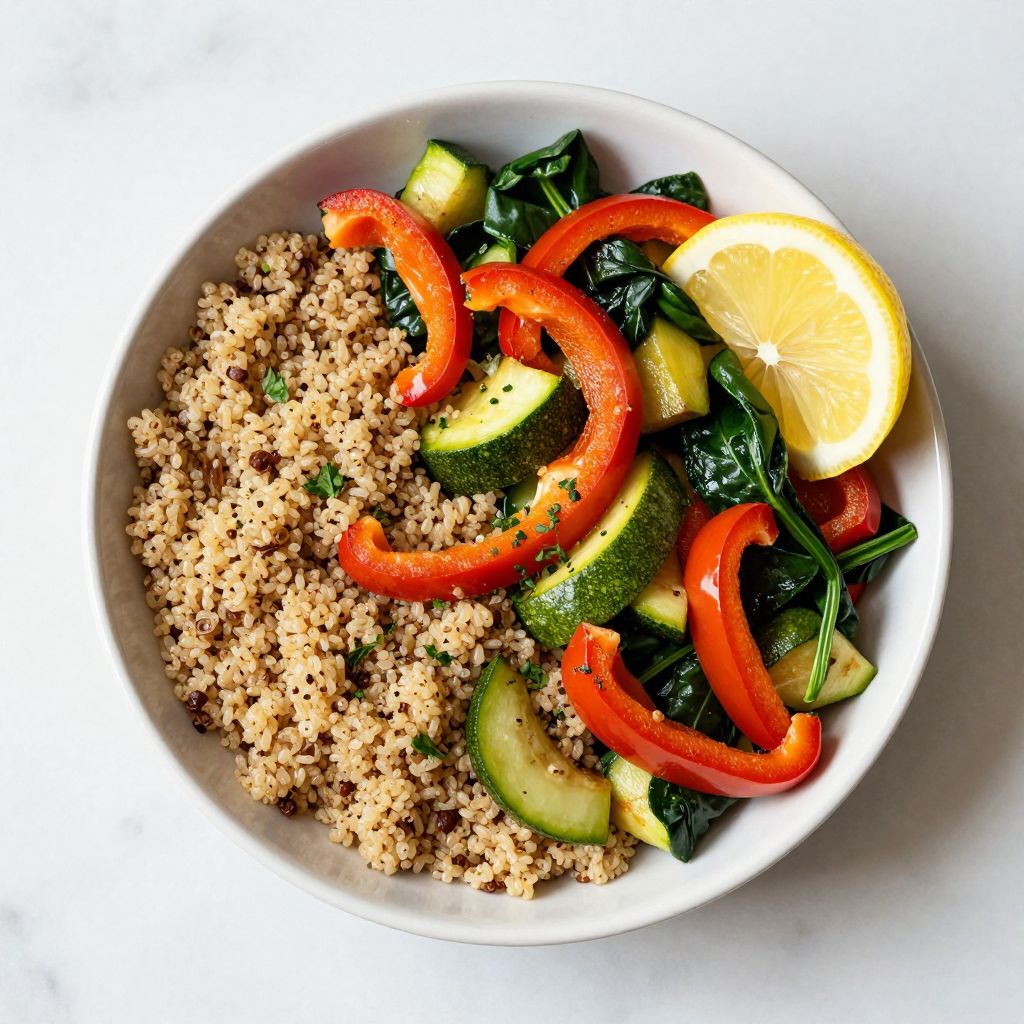
How Many Calories In My Recipe
Ingredients
Equipment
Method
- Gather all ingredients to make calorie tracking easier.
- Weigh each ingredient accurately using the kitchen scale.
- Look up the caloric values for each ingredient.
- Add the calories from each ingredient to get the total calories for the recipe.
- Determine the number of servings your recipe makes.
- Divide the total calorie count by the number of servings for calories per serving.
- Write down the calories per serving for future reference.
- Enjoy your dish while appreciating the flavors and nutritional value.