
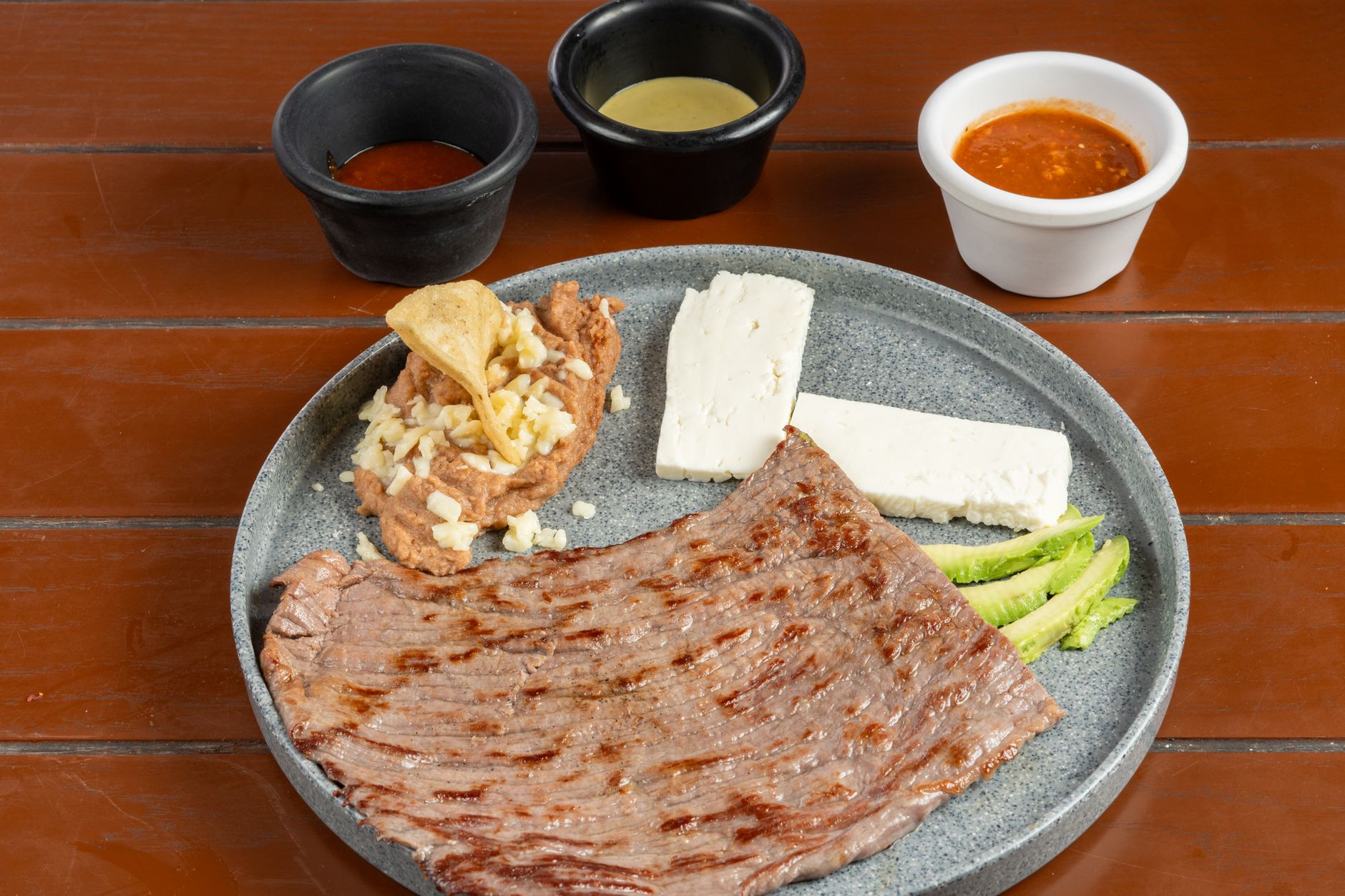
Refried beans are a staple in Mexican cuisine and a popular side dish in many Latin American countries. They are made by cooking and mashing beans, usually pinto or black beans, and then frying them in lard or oil. Understanding the nutritional value of refried beans, particularly their fiber content, can help you make informed dietary choices.
This article will explore whether refried beans have fiber, how much fiber is typically found in various servings, and how this can fit into your meal planning. Let’s dig into the details!
Do Refried Beans Have Fiber?
Yes, refried beans do contain fiber. In general, a half-cup serving of refried beans provides about 5 to 6 grams of dietary fiber. The exact amount can vary depending on whether they are homemade or store-bought, and whether they are made from pinto beans, black beans, or other varieties.
Understanding Fiber and Its Benefits
Dietary fiber is an essential component of a healthy diet. It aids in digestion, helps maintain a healthy weight, and can lower the risk of chronic diseases such as heart disease and diabetes. There are two main types of fiber: soluble and insoluble. Both types are important for maintaining overall health.
Types of Fiber
- Soluble Fiber: This type of fiber dissolves in water and can help lower blood cholesterol levels and stabilize blood sugar. Foods high in soluble fiber include oats, beans, and some fruits.
- Insoluble Fiber: This type does not dissolve in water and aids in adding bulk to the stool, helping food pass through the digestive system. Foods high in insoluble fiber include whole grains, nuts, and vegetables.
Benefits of Fiber from Refried Beans
Eating foods that are high in fiber, such as refried beans, can offer numerous health benefits:
- Improved digestive health
- Weight management through increased satiety
- Regulation of blood sugar levels
- Lowered cholesterol levels
Nutritional Breakdown of Refried Beans
The nutritional content of refried beans can vary based on the type of beans used and the ingredients added during preparation. Below is a general nutritional breakdown for a half-cup serving of refried beans, typically made from pinto beans:
| Nutrient | Amount per 1/2 cup |
|---|---|
| Calories | 110 |
| Protein | 6 grams |
| Fat | 1 gram |
| Carbohydrates | 22 grams |
| Dietary Fiber | 5-6 grams |
| Sugars | 0-1 gram |
Homemade vs. Store-Bought Refried Beans
When considering fiber content, it’s important to look at the variety of refried beans. Homemade refried beans often have a higher fiber content as they are usually made without unnecessary additives. Store-bought versions may include preservatives, flavor enhancers, or additional fats, which can decrease their overall nutritional value.
Fiber Content in Homemade Refried Beans
Homemade refried beans allow for complete control over ingredients, making it easier to customize both flavor and nutritional value. Using fresh beans and minimal added fats preserves the fiber content. Additionally, herbs, spices, and garlic can enhance taste without sacrificing nutrition.
Fiber Content in Store-Bought Refried Beans
Store-bought refried beans can vary significantly in their fiber content. Always check the nutrition label to see how much fiber is included per serving. Some brands may fortify their beans with additional fiber, while others may contain less due to processing and added ingredients.
How to Incorporate Refried Beans into Your Diet
There are numerous ways to include refried beans in your meals, from traditional dishes to creative adaptations. Here are some delicious ideas:
- Tacos: Use refried beans as a filling or topping for tacos. Pair them with fresh vegetables, cheese, and your favorite salsa for a tasty meal.
- Burritos: Spread a layer of refried beans on a tortilla, add rice, protein of choice, and vegetables, then roll it up for a quick and filling burrito.
- Dip: Serve warm refried beans as a dip with tortilla chips or vegetables. Top with cheese, guacamole, or salsa for added flavor.
- Soups: Incorporate refried beans into soups for added creaminess and fiber. They can act as a thickener in your favorite chili or vegetable soup.
Practical Meal Planning with Refried Beans
Including refried beans in your weekly meal prep can enhance your diet and simplify cooking. Here are some tips for effective meal planning:
Batch Cooking Refried Beans
Cooking a large batch of refried beans at once can save time during the week. Allow beans to cool, then portion them into airtight containers for refrigeration or freezing. When reheating, ensure they are heated thoroughly to prevent any food safety issues.
Meal Pairings
Pair refried beans with various items for balanced meals. Here are some combinations:
- Refried beans with brown rice and grilled chicken
- On the side of enchiladas or taquitos
- In a salad with greens, corn, and avocado
Portion Control
To keep an eye on fiber intake, consider controlling portion sizes to suit your dietary needs. A half-cup serving of refried beans is typically sufficient for boosting fiber content without excessive calories.
Common Mistakes When Preparing Refried Beans
Even simple recipes can lead to mishaps. Avoid these common mistakes when making or using refried beans:
1. Overcooking the Beans
Overcooked beans can become mushy, losing texture and flavor. Cooking beans to the right consistency ensures they mash easily without turning into a paste.
2. Using Too Much Fat
While traditional recipes involve frying beans in lard or oil, using too much fat can overshadow the beans’ natural flavors and add unnecessary calories. Aim to use a moderate amount of fat for flavor without compromising health.
3. Neglecting Seasoning
Beans on their own can be bland. Proper seasoning with salt, spices, or herbs can elevate the dish significantly. Taste and adjust seasoning throughout the cooking process.
Reheating and Storing Refried Beans
Proper storage and reheating of refried beans are essential for safety and taste.
Storing Refried Beans
Once cooked, let refried beans cool completely before transferring them to airtight containers. Store in the refrigerator for up to 5 days or freeze for up to 3 months. When reheating, ensure they are heated thoroughly to at least 165°F (74°C).
Reheating Refried Beans
Reheat refried beans on the stovetop over medium heat, stirring occasionally, or in the microwave. To prevent the beans from drying out, consider adding a splash of water or broth for moisture.
Exploring Variations: Different Beans for Refried Beans
While pinto beans are the most common choice, you can experiment with a variety of beans to make refried beans, including:
- Black Beans: These offer a slightly different flavor and are a great source of fiber and protein.
- Refried Kidney Beans: Kidney beans pack a hearty punch and can provide a robust texture.
- Refried Lentils: While not technically beans, lentils can also be mashed and fried for a different take on refried beans.
Conclusion
Refried beans are not only delicious but also a significant source of fiber that can be easily incorporated into a variety of meals. Understanding their nutritional value and how to use them effectively can contribute positively to your diet. Whether enjoying them in tacos, burritos, or soups, refried beans are versatile and nutritious.
For further exploration, consider checking out our refried black beans recipe at refried black beans and learn how to prepare southern-style pinto beans at southern pinto beans. You’ll find plenty of ways to enjoy this staple ingredient!