
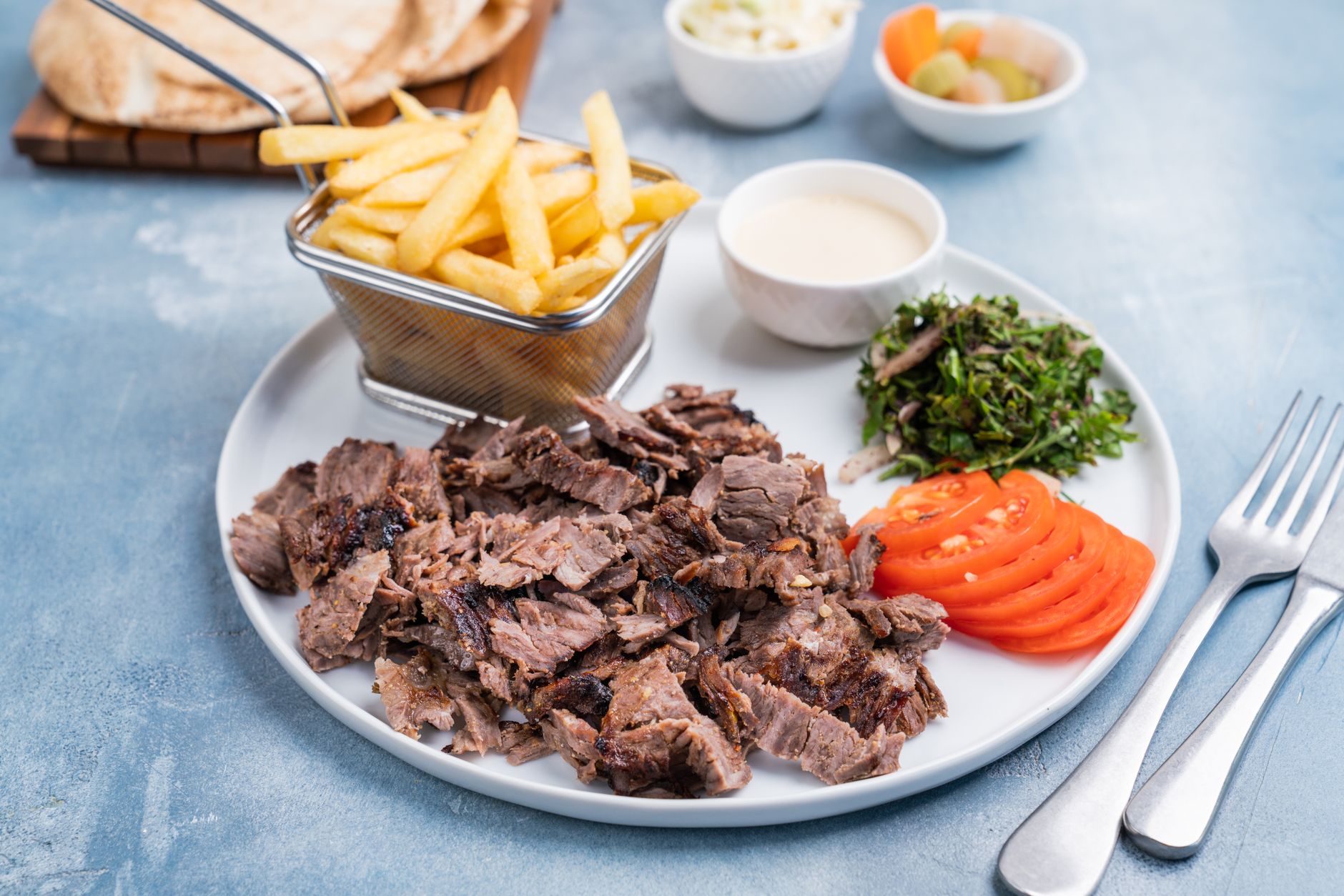
Shawarma is a beloved Middle Eastern dish known for its richly layered flavors and enticing aromas. Originating in the Ottoman Empire, it has gained global popularity as a street food, often served in wraps or plates. Understanding what shawarma tastes like involves exploring its diverse ingredients, texture, and the recommended pairings that elevate the dish.
The captivating taste of shawarma comes from marinated meat, typically beef, chicken, lamb, or turkey, which is slow-cooked and sliced thinly. This dish is often accompanied by various sauces and toppings, making it a versatile meal choice that appeals to many palates.
What Does Shawarma Taste Like?
Shawarma delivers a complex medley of flavors that can be described as savory, tangy, and slightly spicy, often with a hint of sweetness. The seasoning blends, marination process, and cooking method contribute to its unique flavor profile, allowing the dish to tantalize the taste buds.
The texture of shawarma enhances its overall eating experience. The meat is tender and juicy on the inside, with a slightly crispy exterior that comes from the grilling or roasting methods typically used. The accompanying ingredients add layers of crunch and creaminess, creating a satisfying contrast with each bite.
The Components of Shawarma
To better understand what shawarma tastes like, it’s essential to dissect its components. Here are the primary ingredients and their contributions to the overall flavor:
- Meat: Shawarma typically features marinated strips of beef, chicken, turkey, or lamb. The marination includes spices like cumin, coriander, paprika, turmeric, and cinnamon, which infuse the meat with depth and warmth.
- Spices: Shawarma is renowned for its aromatic spices. Some common ones include garlic, allspice, and cardamom, which provide a fragrant essence that lingers on the palate.
- Yogurt or Tahini Sauce: Many shawarma dishes are served with creamy sauces that complement the meat. Yogurt sauce tends to be tangy and refreshing, while tahini sauce adds nuttiness.
- Fresh Vegetables: Toppings such as tomatoes, cucumbers, lettuce, and onions add crunch and balance, creating a harmonious combination of flavors and textures.
- Pita or Flatbread: Shawarma is often wrapped in pita bread, which provides a soft, chewy texture that absorbs all the delicious juices from the meat and sauces.
Flavor Profiles of Shawarma Variants
Though shawarma generally shares a core taste profile, the specific variant can drastically change the overall flavor experience. Here are some popular shawarma types and what makes each one unique:
Chicken Shawarma
Chicken shawarma is one of the most popular options and is characterized by its juicy, tender meat. When marinated in a mix of spices and lemon juice, the chicken develops a zesty flavor. The addition of garlic sauce often complements the richness of the chicken, adding a refreshing bite.
Beef Shawarma
Beef shawarma usually has a more robust and savory taste compared to chicken. The marbled fat in cuts like flank or sirloin can result in a richer flavor profile. This variant often features a blend of warm spices like cinnamon and nutmeg, creating a slightly sweet yet savory experience.
Lamb Shawarma
Lamb shawarma is distinguished by its hearty flavor, often enhanced by spices like cumin and coriander. The rich taste of lamb creates a satisfying experience, and the slightly gamy profile complements the usual tangy sauces well.
Turkey Shawarma
Turkey shawarma serves as a lighter alternative, with leaner meat that still offers impressive flavor. The marinating process ensures it remains moist and flavorful, though some may find it less intense compared to beef or lamb.
The Texture of Shawarma
The texture of shawarma is essential to its appeal. The cooking method, usually vertical roasting on a spit, allows for a unique texture profile. Here’s how the different components contribute:
- Meat: The meat is crispy on the edges, yet juicy and tender in the center, exhibiting a delightful contrast.
- Vegetables: Fresh toppings like cucumbers and tomatoes provide a refreshing crunch, essential for offsetting the richness of the meat.
- Sauces: Creamy tahini or yogurt sauces add smoothness and coat the other ingredients, enhancing the overall mouthfeel.
- Bread: The pita bread or flatbread used for wrapping is soft and pliable, allowing for easy handling while offering a pleasant chew.
Pairing Shawarma with Sauces
The sauces accompanying shawarma can significantly impact its taste. Here are common sauces and how they enhance the flavor:
- Garlic Sauce: This rich, creamy sauce balances the spiciness of the shawarma with its garlicky undertones and works exceptionally well with chicken shawarma.
- Tahini Sauce: Made from ground sesame, tahini adds a nutty flavor and is a perfect pairing with lamb shawarma, enriching the dish’s overall taste.
- Chili Sauce: For those who enjoy a spicy kick, chili sauce elevates the excitement of shawarma, adding layers of heat to the dish.
- Yogurt Sauce: The cool and tangy nature of yogurt sauce provides a refreshing contrast to the warm spices in the meat.
Serving Suggestions for Shawarma
Presentation plays a vital role in the enjoyment of shawarma. Here are some common serving suggestions that accentuate its flavor:
- Wraps: Shawarma is traditionally served in a wrap, making it easily portable and perfect for casual dining. The combination of meat, sauce, and fresh vegetables offers a balanced meal.
- Plates: For a sit-down meal, shawarma can be plated alongside rice, salad, or roasted vegetables, allowing for a more extensive culinary experience.
- Shared Platters: A shared platter with various types of shawarma, salads, and dips can be an excellent way to explore different flavors.
- Accompaniments: Pairing shawarma with sides like hummus, tabbouleh, or falafel enhances the meal and brings additional flavor dimensions.
Common Mistakes When Making Shawarma
While shawarma is a delightful dish, making it at home can be challenging. Here are some common mistakes and how to avoid them:
- Skipping Marination: Failing to marinate the meat long enough can result in bland flavors. Aim for at least one hour, but overnight marination yields the best results.
- Using the Wrong Cut of Meat: Choosing tougher cuts can lead to chewiness. Opt for tender cuts that will yield juicy meat after cooking.
- Overcooking: Overcooked shawarma can become dry and tough. Using a meat thermometer to check for doneness is advisable.
- Neglecting Temperature: Cooking at overly high or low temperatures can compromise the texture. Aim for medium-high heat for the best sear and caramelization.
Making Shawarma at Home
If you feel inspired to create your version of shawarma, here’s a simple breakdown of how to make it at home. This includes a basic recipe for marinated meat and suggested accompaniments:
Yield:
4 Servings
Preparation Time:
1 hour (plus marination time)
Cooking Time:
20 minutes
Total Time:
1 hour and 20 minutes (excluding marination time)
Ingredients:
- 1.5 pounds chicken thighs or beef flank steak
- 3 tablespoons olive oil
- 4 garlic cloves, minced
- 1 teaspoon ground cumin
- 1 teaspoon ground coriander
- 1 teaspoon paprika
- 1 teaspoon turmeric
- 1 teaspoon ground cinnamon
- Salt and black pepper to taste
- 3 tablespoons lemon juice
- Pita bread or flatbread for serving
- Fresh vegetables (lettuce, tomatoes, cucumbers, onions)
- Yogurt or tahini sauce for drizzling
Kitchen Equipment:
- Mixing bowl
- Skillet or grill
- Meat thermometer (optional)
- Serving plates
Instructions:
- In a mixing bowl, combine olive oil, minced garlic, cumin, coriander, paprika, turmeric, cinnamon, salt, black pepper, and lemon juice. Mix well.
- Add the chicken or beef to the marinade, ensuring it is well coated. Cover and refrigerate for at least one hour or overnight for best results.
- Preheat your skillet or grill over medium-high heat.
- Remove meat from marinade and cook for about 6-7 minutes per side for chicken or 4-5 minutes per side for beef, or until fully cooked (165°F for chicken; 145°F for beef).
- Once cooked, let the meat rest for a few minutes before slicing into thin strips.
- Warm the pita or flatbread briefly on the grill or in a pan.
- To assemble, place the sliced meat in the center of the bread and top with fresh vegetables and sauce.
- Wrap the shawarma tightly and serve immediately.
Storage and Reheating Shawarma
If you have leftover shawarma, proper storage and reheating techniques can maintain its quality:
- Store leftover meat and sauces separately in airtight containers in the refrigerator for up to three days.
- To reheat, warm the meat in a skillet over low heat, ensuring it does not dry out.
- If reheating pita or flatbread, wrap in foil and place in the oven until warmed through.
Final Thoughts on Shawarma
Shawarma is a flavorful, versatile dish that appeals to a wide array of taste preferences. From its variety of meat options to the numerous sauces and accompaniments, there is a shawarma experience for everyone. Exploring the flavors, textures, and serving variations allows food enthusiasts to appreciate this dish on a deeper level.
Next time you’re looking to indulge in a satisfying meal, consider making your own shawarma at home or seeking it out from a local eatery. Discover the delightful combinations of spices and ingredients that make shawarma a staple in Middle Eastern cuisine.
For more tasty ideas, try our Chicken al Pastor recipe or learn how to whip up a delicious Hummus without Tahini. Enjoy your culinary adventures!