
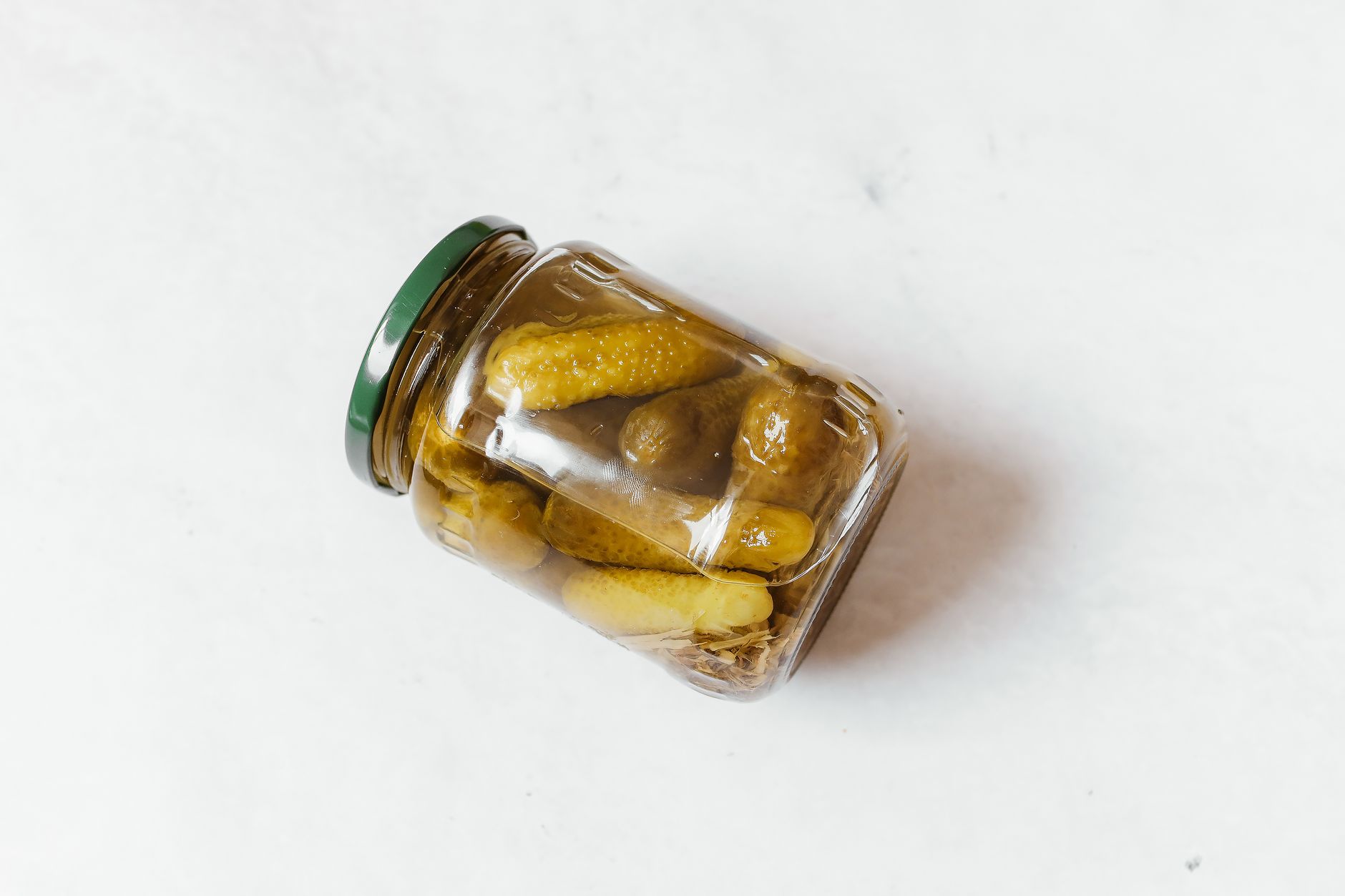
As the evening winds down and the party atmosphere starts to fade, many might find themselves waking up with the unpleasant consequences of a night of revelry. Enter pickle juice—a quirky remedy that has gained popularity for its potential to alleviate hangover symptoms. But is it genuinely effective, or just a culinary curiosity?
This guide will explore the nutritional attributes of pickle juice, its potential benefits for hangovers, and key portion recommendations. Whether you’re missing the joys of brunch or recovering from a late night, you may find that this zesty liquid has more to offer than you think.
Is Pickle Juice Good for Hangovers?
Yes, pickle juice may help alleviate hangover symptoms. It contains electrolytes, particularly sodium and potassium, which can help rehydrate and restore balance after a night of drinking. However, it’s essential to consider individual tolerance and preferences when using pickle juice as a hangover remedy.
The Nutrition Profile of Pickle Juice
Understanding the nutritional components of pickle juice can shed light on its potential benefits for hangovers.
Electrolytes
Electrolytes are vital for maintaining fluid balance, muscle function, and nerve signaling. After heavy drinking, your body may become dehydrated, leading to those dreaded hangover symptoms. Pickle juice is rich in the following electrolytes:
- Sodium: Helps retain water in the body, critical for rehydration.
- Potassium: Essential for muscle function and can help alleviate cramping.
- Magnesium: Supports muscle and nerve function, potentially easing headaches.
Vitamins and Antioxidants
While not a vitamin-rich beverage, pickle juice does contain small amounts of vitamins such as vitamin K and certain antioxidants that help combat oxidative stress.
Calories and Sugar Content
Typically, pickle juice is low in calories and contains little to no sugar. This can be a plus for those seeking to avoid additional sugars while recovering.
How Pickle Juice Helps with Hangovers
Now that you’re familiar with the nutritional content, let’s discuss how pickle juice may help counteract hangovers.
Hydration and Electrolyte Balance
One of the primary ways pickle juice can help is through rehydration. Alcohol consumption can lead to increased urination, resulting in a loss of vital fluids and electrolytes. The sodium and potassium found in pickle juice can help replace these lost electrolytes, making it an efficient hydration choice.
Stomach Relief
Some individuals report that pickle juice helps settle an upset stomach. The acidity of the vinegar in many pickle juices can aid digestion, potentially easing nausea associated with hangovers.
Muscle Cramp Relief
Drinking pickle juice could provide rapid relief for muscle cramps, a common symptom after a night of extensive drinking. The potassium content plays a role in muscle function, which may ease discomfort.
How to Use Pickle Juice for Hangovers
If you’re considering using pickle juice to alleviate hangover symptoms, there are several ways to incorporate it effectively.
Direct Consumption
One simple approach is to consume about 1 to 2 ounces of pickle juice directly. This can provide immediate hydration and electrolyte replenishment.
Mixing with Other Ingredients
For those who prefer a more palatable drink, pickle juice can be mixed with other ingredients:
- Water or Coconut Water: Diluting pickle juice can make it easier to consume while still maintaining electrolyte benefits.
- Fruit Juices: Adding orange or cranberry juice can enhance flavor while adding vitamin C.
- Salty Snacks: Pairing pickle juice with salty snacks like crackers can further boost electrolyte intake.
Pickle Juice Shots
Some bars offer pickle juice shots, often served alongside a whiskey shot. This doubles as a flavorful pairing and an electrolyte boost, if you’re daring enough to try it during your next night out.
Portion Recommendations
While pickle juice can be beneficial, moderation is key. Here are some suggested portions:
- 1 ounce: A single shot-sized serving of pickle juice to help with quick hydration.
- 2 ounces: For more pronounced effects, consider larger servings but limit to this amount to avoid excessive sodium intake.
- Max 6 ounces: Consuming this amount in a day is generally acceptable, but listen to your body and adjust accordingly.
Considerations Before Using Pickle Juice
While pickle juice may provide certain benefits, it is not suitable for everyone. Here are some factors to consider:
Sodium Sensitivity
Pickle juice is high in sodium, which can be problematic for individuals with hypertension or those advised to limit their salt intake. Always consult your healthcare provider if you have concerns about sodium.
Flavor Compatibility
Not everyone enjoys the tartness of pickle juice. If the flavor is off-putting, alternative remedies may be more suitable for your palate.
Medical Conditions
Always check with a healthcare provider if underlying medical conditions might interact negatively with high-acid or high-sodium foods.
Alternative Remedies for Hangovers
If pickle juice isn’t to your liking, several alternatives might help alleviate hangover symptoms:
Hydration Solutions
Oral rehydration solutions, coconut water, or plain water infused with lemon can help replenish lost fluids and electrolytes effectively.
Ginger Tea
Known for its anti-nausea properties, ginger tea can provide comfort and reduce nausea associated with hangovers.
Bananas
Rich in potassium, bananas can help restore electrolyte balance naturally.
Rest and Nutritious Foods
Eating a balanced meal comprising eggs, whole grains, and leafy greens can help restore energy and nutrients. Rest is also crucial for recovery.
Common Mistakes When Using Pickle Juice
Even the best remedies can have pitfalls. Here are some common mistakes to avoid:
Ignoring Moderation
Too much pickle juice can lead to excessive sodium intake, which might result in dehydration rather than relief. Aim for small servings.
Relying Solely on Pickle Juice
Using pickle juice as a singular remedy can lead to disappointment. Combine it with plenty of fluids, rest, and nutritious food for optimal recovery.
Disregarding Personal Preference
If you find the taste unpalatable, forcing yourself to drink pickle juice may only exacerbate nausea. Explore other remedies that suit your taste.
Storage and Shelf Life of Pickle Juice
Once opened, pickle juice can last for several weeks in the refrigerator. It’s best to keep it in a sealed jar to maintain flavor and prevent contamination. Homemade pickle juice from fresh vegetables may not last as long due to lack of preservatives, so consume quickly for best results.
Creating Your Own Pickle Juice
If you’re enthusiastic about making your own pickle juice, it’s a straightforward process. Here’s a basic recipe:
Ingredients
- 1 cup water
- 1 cup vinegar (white or apple cider)
- 2 tablespoons salt
- 2 tablespoons sugar (optional)
- A few spices (dill, garlic, peppercorns) for flavor
Method
- In a saucepan, combine water, vinegar, salt, and sugar. Heat until the sugar dissolves.
- Allow the mix to cool before using it.
- Pour over pickling vegetables and let them sit for at least 24 hours.
This homemade pickle juice can be a refreshing alternative that tailors perfectly to your preferences!
Conclusion
Whether you’re a fan of pickle juice or simply looking for relief from a hangover, understanding its potential benefits can help you make an informed decision. With its rich electrolyte content and possible digestive benefits, pickle juice may just become a surprising ally in your recovery toolkit. Experiment with portions and combinations to discover what works best for you, and don’t be afraid to supplement with other remedies. Your journey back to feeling normal starts with the right choices!
If you’re interested in further expanding your culinary repertoire, explore our delicious pickle martini recipe or learn how to prepare pickled shrimp for a tangy twist on classic seafood dishes.