
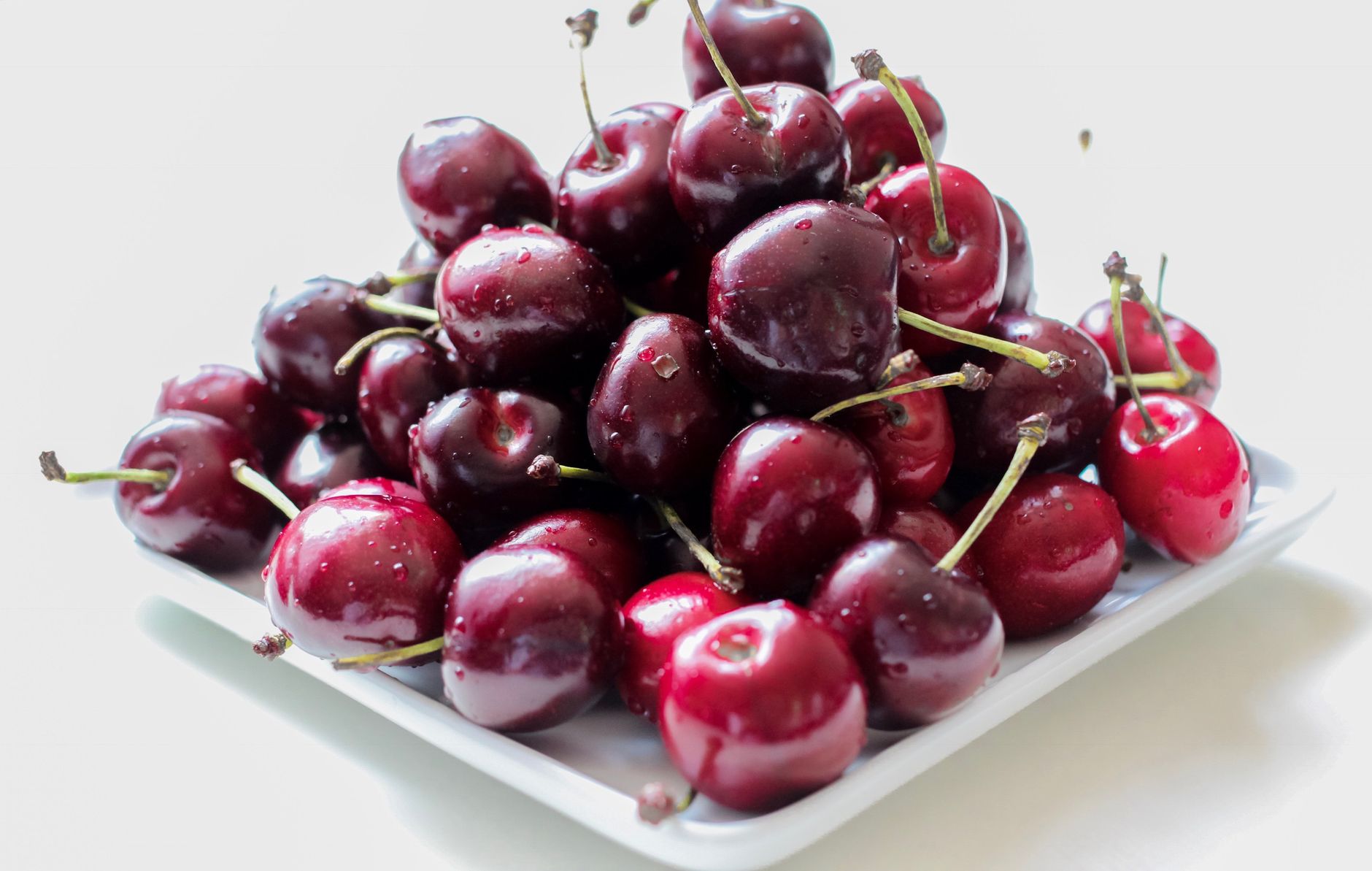
Cherries are a delicious and versatile fruit that many of us enjoy fresh, in desserts, or even as part of savory dishes. However, some individuals may experience digestive discomfort after consuming cherries, leading to the question: why do cherries give me gas? Understanding the causes can help mitigate these effects and allow you to enjoy this tasty fruit without worry.
This article will delve into the reasons behind gas production after eating cherries, examining their fiber content, portion sizes, and overall digestion. Additionally, you’ll find tips on how to include cherries in your diet while minimizing any potential digestive distress.
Why Do Cherries Give Me Gas?
Cherries may cause gas primarily due to their high fiber content and the presence of certain natural sugars. When eaten in large portions or by individuals with sensitive digestive systems, these components can lead to bloating and gas formation as they ferment in the gut.
The Role of Fiber in Cherries
Fiber is an essential part of a healthy diet, but it can also lead to digestive issues for some people. Cherries contain both soluble and insoluble fiber, which serve different purposes in the body.
Types of Fiber
- Soluble Fiber: This type dissolves in water to form a gel-like substance. It can help regulate blood sugar levels and lower cholesterol. However, it can also ferment in the gut, producing gas as a byproduct.
- Insoluble Fiber: This fiber adds bulk to the stool and aids in regular bowel movements. While it is generally gentler on the digestive system, consuming too much of it at once can still lead to discomfort.
Cherries contain around 1.6 grams of fiber per 100 grams, which may not seem like much, but when combined with other fibrous foods in a meal, this amount can contribute to gas production. If your body is not used to a high-fiber diet, consuming cherries may disrupt digestion temporarily.
Natural Sugars and Their Impact on Gas Production
In addition to fiber, cherries contain natural sugars, primarily fructose and sorbitol. These sugars can also contribute to gas production, especially for individuals with specific intolerances or sensitivities.
Fructose
Fructose is a simple sugar found in many fruits, including cherries. While many people can digest fructose without issues, some individuals experience difficulty breaking it down, leading to fermentation in the gut and gas production. This condition is known as fructose malabsorption.
Sorbitol
Sorbitol is a sugar alcohol present in cherries. It can be poorly absorbed in the small intestine, leading to fermentation by gut bacteria, which further contributes to gas and bloating. Like fructose, the extent of discomfort may vary from person to person.
Permanently Sensitive Digestive Systems
Some individuals have more sensitive digestive systems than others. If you notice that you frequently experience gas or bloating after eating cherries or other fruits, you may want to evaluate your overall diet and eating habits.
Factors to Consider
- Portion Sizes: Overindulging in cherries can easily lead to digestive discomfort. Moderation is key. If you’re sensitive to gas, try eating smaller portions.
- Eating Habits: Eating cherries quickly can lead to swallowing air, which can contribute to gas. Take your time and chew thoroughly.
- Food Pairing: How cherries are combined with other foods may also affect digestion. Combining them with foods high in fiber or protein may exacerbate gas issues.
When to Seek Medical Advice
If you consistently experience gas or digestive discomfort after eating cherries or a variety of other foods, it may be worthwhile to consult a healthcare professional. They can help determine if you have a food intolerance or another underlying issue affecting your digestion.
Common Food Intolerances
Two common food intolerances that may lead to symptoms when consuming cherries and other fruits include:
- Fructose Malabsorption: Leads to difficulties in digesting fructose, resulting in gas and bloating after consuming high-fructose foods.
- Sorbitol Sensitivity: Similar to fructose malabsorption, individuals may have an intolerance to foods that contain sorbitol, leading to digestive distress.
Tips to Enjoy Cherries Without Gas
Even if you experience gas after eating cherries, there are ways to enjoy this delicious fruit without discomfort. Consider the following strategies:
1. Start Small
If you’re prone to gas, begin with small portions of cherries and gradually increase your intake as your body adjusts to the fiber and sugars. This approach can help your digestive system adapt.
2. Balance Your Diet
Including a variety of foods in your diet can help mitigate the effects of fiber and sugars found in cherries. Pair cherries with foods that are lower in fiber and sugar, such as yogurt or cheese, to balance the meal.
3. Opt for Ripe Cherries
Riper cherries tend to have higher sugar content and lower levels of sorbitol. Using ripe cherries in dishes may help reduce the likelihood of gas formation.
4. Cooking Techniques
Cooking cherries can also help break down some of the fiber and sugars, making them easier to digest. Consider using cooked cherries in desserts, jams, or compotes to enjoy their flavor without gas discomfort.
5. Use Probiotics
Incorporating beneficial bacteria through probiotics may help improve overall gut health and your ability to digest certain foods. Consider adding yogurt, kefir, or a probiotic supplement to your diet.
Delicious Cherry Recipes for Every Occasion
If you’re looking to enjoy cherries in your cooking, here are some recipes that highlight their flavor while offering practical tips for digestive comfort:
Cherry Compote
This simple cherry compote is perfect for topping yogurt, pancakes, or desserts and can be made in just 20 minutes. The cooking process helps break down sugars, making it easier on your digestive system.
- 2 cups fresh or frozen cherries, pitted
- 1/4 cup sugar (or to taste)
- 1 tablespoon lemon juice
Instructions:
- In a medium saucepan, combine cherries, sugar, and lemon juice.
- Cook over medium heat, stirring occasionally until the cherries release their juices and the mixture thickens, about 15-20 minutes.
- Allow to cool before serving over yogurt or ice cream.
Cherry Bounce
This cherry-infused spirit is a delightful way to enjoy cherries. The infusion process allows the sugars to mellow and is often enjoyed in moderation. Here’s how to make cherry bounce:
- 2 cups fresh cherries, pitted
- 2 cups alcohol (like vodka or whiskey)
- 1-2 cups sugar, depending on sweetness preference
Instructions:
- Place pitted cherries in a clean glass jar and cover them with alcohol.
- Add sugar and stir until dissolved.
- Seal the jar and store it in a cool, dark place for at least a month, shaking it occasionally.
- Strain and enjoy in moderation.
When Cherries Are Best
The best time to enjoy cherries is during their peak season, which varies depending on location but typically runs from late spring to early summer. Fresh cherries are often more flavorful and enjoyable during this time. Here’s how to choose the best cherries:
Selecting Cherries
- Look for cherries that are firm, plump, and brightly colored.
- Avoid any that are soft, bruised, or have wrinkles as these may be overripe or spoiled.
Proper Storage of Cherries
To keep your cherries fresh for as long as possible, proper storage is key:
Refrigeration
Store unwashed cherries in a perforated plastic bag in the refrigerator, where they can last for up to a week. Washing cherries before storage can cause them to spoil more quickly.
Freezing
If you have an abundance of cherries, freezing can be a great option. To freeze cherries, wash, pit, and lay them in a single layer on a baking sheet. Once frozen, transfer them to an airtight container or freezer bag for long-term storage.
Summary
Cherries can be a source of gas for some individuals due to their fiber content and natural sugars, including fructose and sorbitol. Understanding your body’s reactions, adjusting portion sizes, and using cooking techniques can help you enjoy this delicious fruit without discomfort. Keep in mind that moderation and a balanced diet are keys to a healthy relationship with cherries.
To continue your culinary adventure with cherries, explore our cherry compote recipe and check out our cherry bounce recipe. Each offers delightful and practical ways to enjoy cherries while being mindful of digestion.