
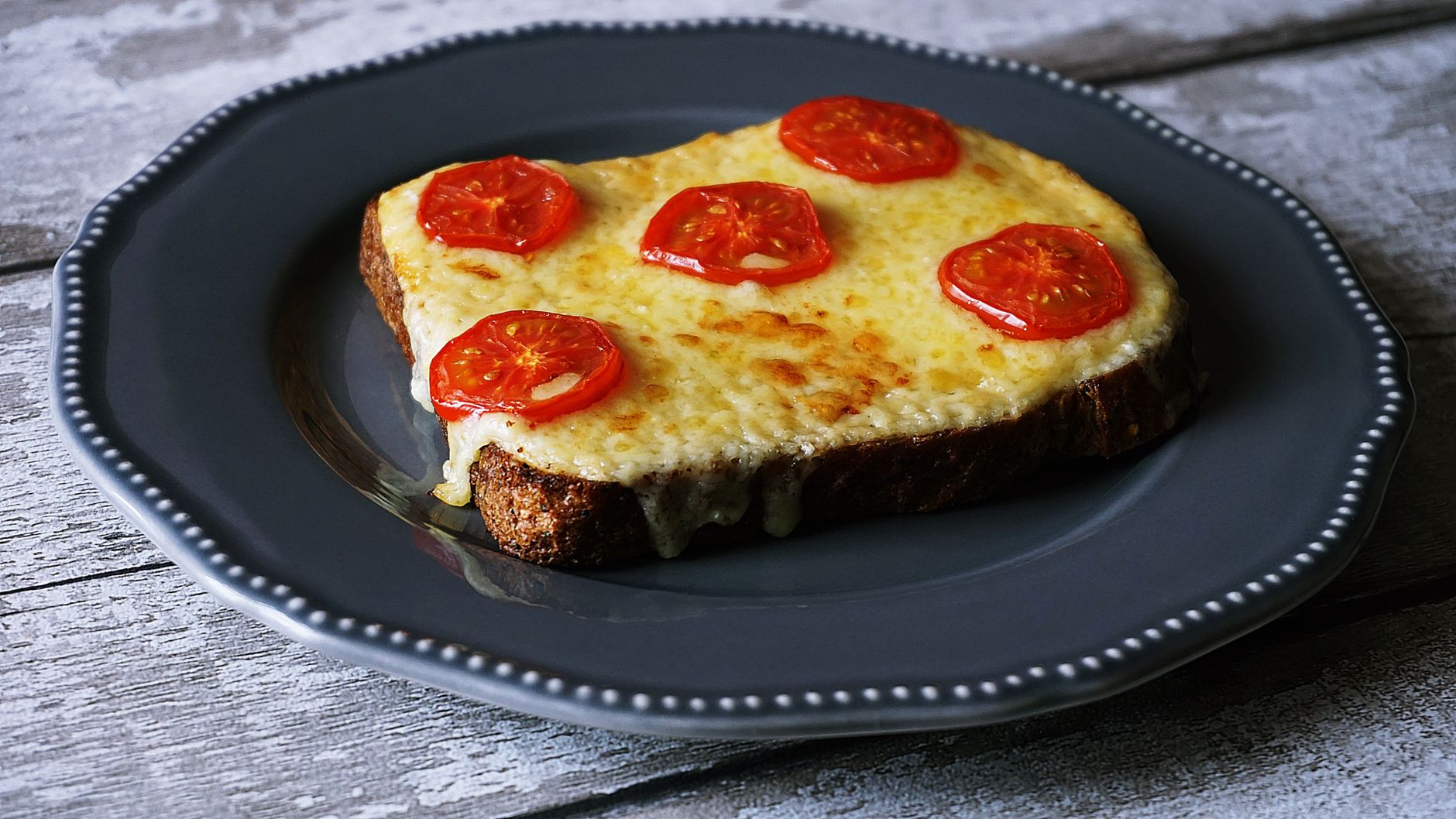
Welsh Rabbit, often humorously name-checked as Welsh Rarebit, is a delightful dish that involves melted cheese served over toasted bread. Despite its whimsical name, this classic comfort food hails from the British Isles and has become a staple in many households. Its rich, gooey cheese sauce is both savory and indulgent.
Whether you are seeking a quick snack, an elegant brunch option, or a comforting dinner, Welsh Rabbit can be a versatile addition to your culinary repertoire. In this article, we’ll delve into the ingredients, taste profile, culinary uses, and some delightful variations of this cheese-laden dish.
What Is a Welsh Rabbit?
Welsh Rabbit is essentially a cheese sauce that is typically served over toasted bread. Traditionally, it features sharp cheddar cheese, flavored with a variety of seasonings such as mustard, Worcestershire sauce, and sometimes even ale. While it may sound simple, the combination of flavors creates a beautifully rich and savory dish.
Ingredients for Welsh Rabbit
The essential components for preparing a classic Welsh Rabbit include:
- Sharp Cheddar Cheese: The heart of the dish, sharp cheddar provides the rich, tangy flavor.
- Mustard: Adds a subtle kick and complexity; you can use dry mustard or prepared mustard depending on your preference.
- Worcestershire Sauce: Contributes umami and a hint of sweetness.
- Milk or Cream: Used to achieve the desired creamy consistency and richness.
- Butter: Essential for creating a roux if you’re thickening the cheese sauce.
- Toasted Bread: Typically, a sturdy bread like sourdough or whole grain is best for holding up the sauce.
- Optional Ingredients: Some recipes may call for brewed ale, garlic, or spices like paprika or cayenne pepper for added depth.
How to Make Welsh Rabbit
Let’s break down the steps to create a delicious Welsh Rabbit at home.
Preparation Time, Cooking Time, and Yield
Preparation time: 10 minutes
Cooking time: 15 minutes
Total time: 25 minutes
Yield: Serves 2-4
Essential Equipment
- Medium-sized saucepan
- Whisk
- Toaster or broiler for toasting bread
- Measuring cups and spoons
- Grater for cheese (if not pre-grated)
- Serving plates
Step-by-Step Method
- Begin by grating the sharp cheddar cheese and set it aside.
- In a medium-sized saucepan, melt 2 tablespoons of butter over medium heat.
- Once melted, whisk in 2 tablespoons of flour to create a roux. Cook for about 1-2 minutes until the mixture is golden and bubbling.
- Gradually whisk in 1 cup of milk (or cream for extra richness), stirring constantly to avoid lumps. Heat until the mixture thickens.
- Once thickened, reduce the heat to low and add in the grated cheese, stirring until fully melted and smooth.
- Stir in 1 tablespoon of Worcestershire sauce and 1 teaspoon of mustard (adjust to taste). If desired, add a splash of brewed ale for additional flavor.
- Toast your choice of bread until golden brown. Arrange the toasted slices on serving plates.
- Spoon the cheese sauce generously over the toasted bread and serve immediately.
Taste & Texture of Welsh Rabbit
Welsh Rabbit is characterized by its creamy, cheesy texture that beautifully coats the toasted bread. The sharpness of the cheddar provides a lively contrast against the creamy base, while the Worcestershire sauce and mustard lend a slight tang. Each mouthful is rich yet satisfying, making it an ideal dish for cheese lovers.
Culinary Uses & Serving Suggestions
Welsh Rabbit is incredibly versatile and can be enjoyed in various ways:
- As a Snack: Perfect for a quick and comforting bite, especially on a chilly day.
- Brunch Menu: Serve it alongside a fresh salad or fruit for an elegant brunch dish.
- Accompaniment to Soups or Stews: Pair Welsh Rabbit with a bowl of tomato soup or a hearty stew.
- As a Main Dish: It can stand alone as a satisfying meal, especially when served with side dishes like steamed vegetables or simple greens.
- With Variations: Enhance the experience by adding ingredients like sautéed mushrooms, herbs, or even a poached egg on top.
Common Variations of Welsh Rabbit
While the standard Welsh Rabbit is delicious as is, friends and families often enjoy personal variations:
1. Spicy Welsh Rabbit
Add a pinch of cayenne pepper or crushed red pepper flakes to the cheese sauce for a kick.
2. Garlic Welsh Rabbit
Incorporate minced garlic into the roux, allowing it to sauté slightly before adding the milk. This provides a robust flavor profile.
3. Mixed Cheese Welsh Rabbit
Mix different cheeses like Gruyere, Gouda, or even blue cheese for a unique taste experience.
4. Ale-Infused Welsh Rabbit
Use a strong ale instead of milk for a richer flavor; reduce the amount of liquid to maintain the desired consistency.
5. Herb-Infused Welsh Rabbit
Fresh herbs like chives, parsley, or thyme can be stirred in just before serving for an aromatic twist.
Practical Substitutions and Adjustments
When preparing Welsh Rabbit, you often have flexibility with your ingredients:
- Cheese: If cheddar is not available, other flavorful cheeses can work, such as Monterey Jack or even a combination of cheeses.
- Milk: For a lactose-free adaptation, use plant-based milk alternatives like almond, oat, or soy milk. Note that this will alter the flavor slightly.
- Butter: Use olive oil or plant-based butter if you prefer a dairy-free option.
- Mustard: Adjust between dry mustard or whole grain mustard to suit your dislike.
Common Mistakes to Avoid
Several pitfalls can affect the outcome of your Welsh Rabbit:
- Overheating the Cheese: Avoid cooking the cheese at too high a temperature for an extended period, as it can become rubbery.
- Using Pre-Grated Cheese: Although convenient, pre-grated cheese can contain additives that affect melting quality. Always opt for freshly grated cheese when possible.
- Skipping the Roux: A roux is essential for creating the right texture. Don’t rush this step; thoroughly cook the flour before adding liquid.
- Overly Thick Sauce: If the sauce is too thick, gradually whisk in additional milk or broth to achieve the desired consistency.
Storage and Reheating Guidance
If you find yourself with leftovers, Welsh Rabbit can be stored, although it’s best enjoyed fresh:
- Store any leftovers in an airtight container in the refrigerator for up to three days.
- When reheating, do so gently over low heat; add a splash of milk to help restore creaminess.
- Avoid microwaving as this can alter the texture negatively.
Welsh Rabbit and Its Historical Context
Despite its whimsical name, Welsh Rabbit is not made with rabbit at all. The humorous origins of the dish reference the fact that the Welsh were known for their “poor man’s” cheese, often unable to afford meat, leading to the nickname “rabbit.” The dish became popular in the Victorian era and has withstood the test of time due to its comfort and simplicity.
This dish is commonly associated with Welsh culture and can be found in many British pubs and restaurants, often served alongside a pint of ale. Its combination of flavors encapsulates a rustic, hearty style of cooking found throughout the British Isles.
Final Thoughts
Welsh Rabbit is an inviting and flavorful dish that can be easily customized to your palate. Whether you enjoy the classic version or experiment with a variety of ingredients, its cheesy goodness is certain to satisfy. As you prepare to indulge in this delightful treat, consider serving it with a side salad or a warm bowl of soup for a complete meal.
For those who love a hearty stew, try making this rabbit stew that showcases rich flavors. Alternatively, if you’re interested in sauces, you might explore a variation like our Mornay sauce, which can also complement various dishes beautifully.