
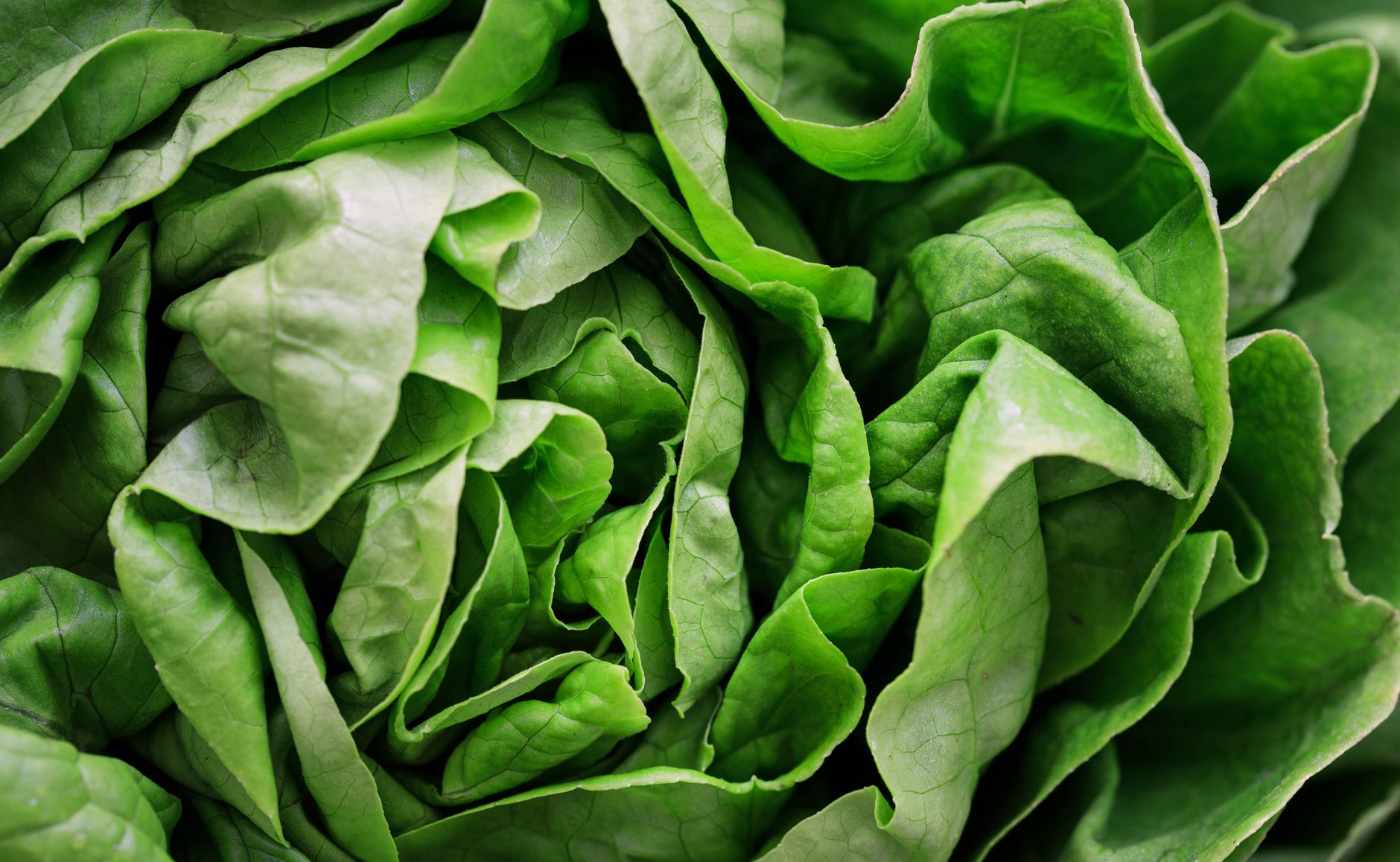
Lettuce is one of the most popular salad greens enjoyed worldwide, often found in salads, sandwiches, and wraps. For those with gluten sensitivities or celiac disease, the question of whether lettuce is gluten-free arises. This article will explore the gluten content of lettuce, provide tips for reading labels and selecting safe ingredients, and address common concerns regarding gluten contamination.
Understanding the gluten status of various foods is crucial for anyone needing to avoid gluten. Let’s delve into the specifics of lettuce and its role in a gluten-free diet.
Is Lettuce Gluten Free?
Yes, lettuce is naturally gluten-free. This leafy green comes from the plant family Asteraceae, and it does not contain any gluten proteins. However, cross-contamination can sometimes occur during processing or preparation, so it’s crucial to ensure that lettuce is not exposed to gluten-containing ingredients.
Understanding Gluten
Gluten is a group of proteins found primarily in wheat, barley, and rye. These proteins can cause adverse reactions in individuals with celiac disease or gluten intolerance. For this reason, those following a gluten-free diet must carefully select their food choices and be vigilant about hidden sources of gluten.
Types of Lettuce
There are many varieties of lettuce, each with distinctive flavors and textures. Here are some common types:
- Romaine: Crisp and sturdy, romaine is often used in Caesar salads and is high in nutrients.
- Iceberg: This variety is known for its crunchy texture and mild flavor, commonly used in sandwiches and burgers.
- Butterhead: With its tender, buttery leaves, butterhead lettuce is excellent for salads and wraps.
- Mesclun: A mix of young greens, mesclun can include arugula, frisée, and young lettuces, offering a blend of flavors.
Checking for Cross-Contamination
While lettuce itself is gluten-free, the risk of cross-contamination must be addressed. This risk can occur during several stages, including growing, harvesting, packaging, and preparation. Here are some key points to consider:
- Source: If buying pre-packaged lettuce, opt for brands that explicitly state they are gluten-free. This label indicates that the product has been tested for cross-contamination.
- Cleaning: Always wash lettuce thoroughly before consumption to reduce the risk of contamination. Use clean water and consider using a vegetable brush to scrub the leaves.
- Shared Equipment: If you’re eating out or purchasing from a salad bar, be aware that utensils, cutting boards, and salad dressings may come into contact with gluten-containing foods.
Reading Labels
When shopping for pre-packaged lettuce or salads, label reading is essential. Here’s how to interpret labels effectively:
- Look for Gluten-Free Certifications: Certified gluten-free products have undergone strict testing and meet the standards set by regulatory bodies.
- Avoid Added Ingredients: Many pre-packaged salads come with dressings or toppings that may contain gluten. Always check labels on these added items.
- Ingredient Lists: Review ingredient lists carefully for any potential gluten sources. Common culprits may include malt vinegar or certain spice mixes.
Gluten-Free Salad Dressings
Salad dressings can often contain gluten, making it crucial to choose wisely. Here are some gluten-free dressing suggestions:
- Olive Oil and Vinegar: A simple homemade salad dressing using olive oil and a gluten-free vinegar (like balsamic or apple cider) is always a safe choice.
- Citrus-Based Dressings: Dressings made with lemon or lime juice, along with olive oil and herbs, are flavorful and gluten-free.
- Prepared Gluten-Free Dressings: Look for brands that specifically label their products as gluten-free. Examples include certain balsamic vinaigrettes and creamy dressings made without gluten-containing ingredients.
Common Mistakes to Avoid
Here are some common mistakes to be aware of when considering lettuce and other salad ingredients in a gluten-free diet:
- Assuming All Greens Are Safe: While lettuce is gluten-free, always check other leafy greens and salad mixes for potential gluten-containing additives.
- Forgetting Cross-Contamination: Even if you purchase gluten-free products, cross-contamination can occur in your kitchen or when dining out.
- Neglecting Dressings and Toppings: Always verify that salad toppings like croutons, cheese shreds, nuts, and dressings are gluten-free before adding them to your salad.
Incorporating Lettuce into Your Meals
Lettuce is versatile and can be incorporated into various meals in delicious ways. Here are some ideas for using lettuce in gluten-free dishes:
- Salads: A classic choice, mix various greens with colorful vegetables, gluten-free proteins (like grilled chicken or chickpeas), and your favorite dressing.
- Wraps: Use large lettuce leaves as wraps for deli meats, vegetables, and spreads or dips, creating a refreshing gluten-free alternative to traditional wraps.
- Garnishes: Use shredded lettuce for garnishing tacos, burgers, or sandwiches to add crunch and freshness.
Preparing Lettuce
To get the most out of your lettuce, proper preparation is key. Here’s a simple guide to preparing lettuce for salads and other dishes:
- Wash: Rinse the leaves thoroughly under cold water to remove any dirt or residual pesticides. You may consider using a salad spinner to dry the leaves.
- Trim: Cut off the base of the head of lettuce to remove any wilted or brown leaves. Tear large leaves into bite-sized pieces as desired.
- Dry: If you’ve washed the lettuce, ensure it’s dried well to prevent your dressings from becoming watered down.
- Store: Store prepared lettuce in an airtight container lined with a paper towel to absorb excess moisture, keeping the leaves crisp.
Gluten-Free Lettuce Recipes
The following recipes celebrate lettuce in various forms. Each recipe ensures you stick to your gluten-free diet while enjoying the crispy, fresh taste of this green.
Simple Garden Salad
This refreshing salad is a wonderful way to enjoy a mix of vegetables alongside lettuce.
- Ingredients:
- 4 cups mixed lettuce (Romaine, Butterhead)
- 1 cup cherry tomatoes, halved
- 1 cucumber, sliced
- 1/2 red onion, thinly sliced
- 1/4 cup gluten-free dressing of choice
Preparation Time: 10 minutes
Yield: 4 servings
- Wash and dry the lettuce.
- In a large bowl, combine the lettuce, tomatoes, cucumber, and onion.
- Toss with gluten-free dressing just before serving.
Stuffed Lettuce Wraps
These wraps serve as a light lunch or a healthy snack, filled with your choice of protein.
- Ingredients:
- 8 large lettuce leaves (Iceberg or Romaine)
- 2 cups cooked quinoa or rice
- 1 cup diced chicken or tofu
- 1 bell pepper, diced
- 1 avocado, sliced
- 1/4 cup gluten-free salsa
Preparation Time: 15 minutes
Yield: 4 servings
- Prepare all filling ingredients in a bowl and mix well.
- Lay out lettuce leaves on a flat surface.
- Spoon the filling onto each lettuce leaf, top with avocado slices, and drizzle with salsa.
- Fold the leaves around the filling and enjoy immediately.
Final Thoughts
In summary, lettuce is naturally gluten-free and can be a staple in gluten-free diets. By understanding gluten sources, reading labels carefully, and being mindful of cross-contamination, individuals with gluten sensitivities can enjoy lettuce and its many culinary applications without concerns.
Consider exploring more recipes that incorporate fresh ingredients or experimenting with gluten-free dressings to elevate your meals. For example, try making Wilted Lettuce or Thai Cucumber Salad for exciting flavors and textures.