
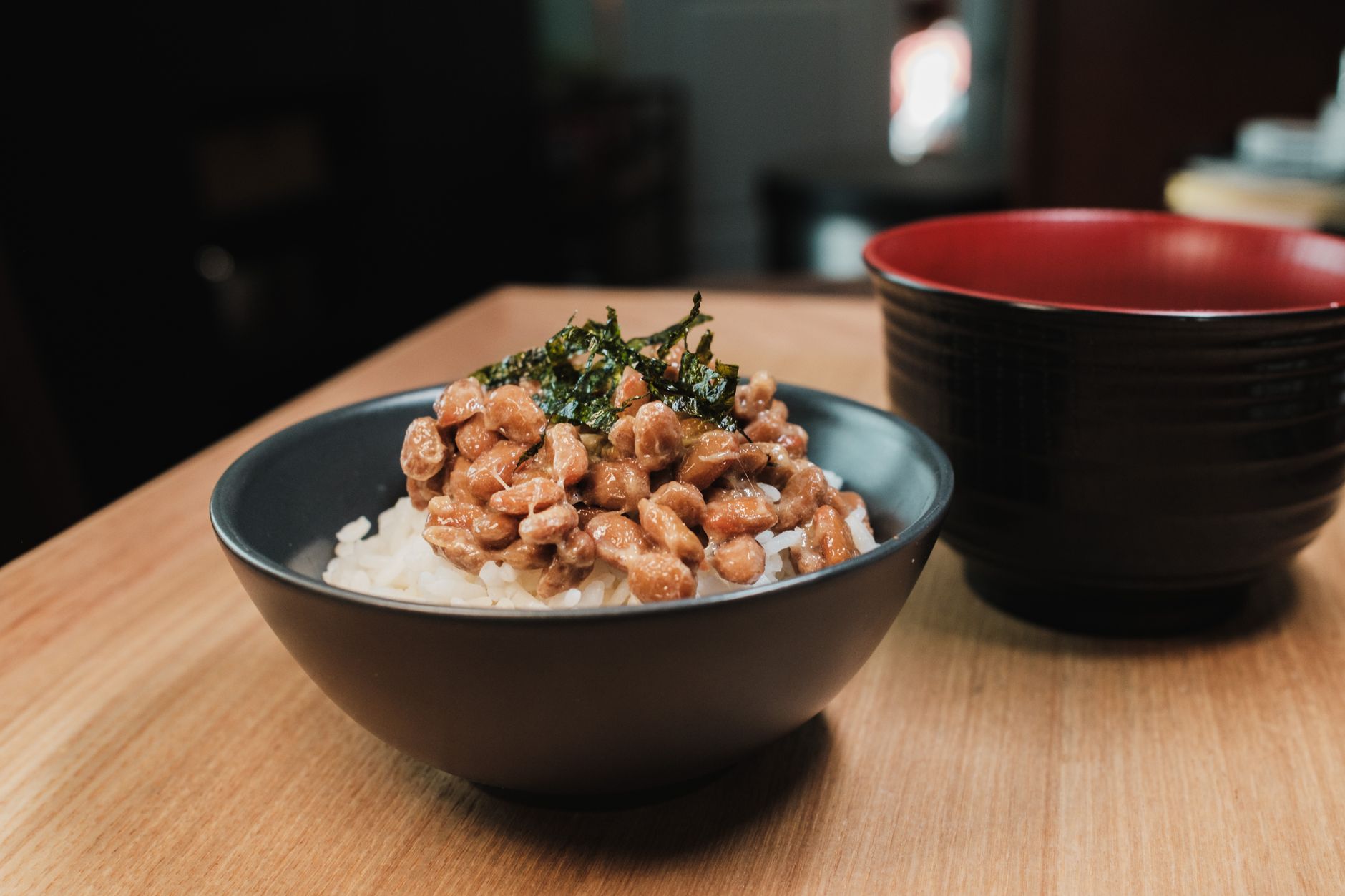
Soybeans are versatile legumes that play a crucial role in many cuisines around the world. They are not only known for their nutritional benefits but also for their adaptability in various dishes. Whether you are looking to incorporate more plant-based proteins or simply explore new ingredients, understanding soybeans can elevate your cooking experiences.
This article will explore what soybeans are, their ingredients, flavor profiles, culinary uses, and how to best serve them in your meals. By the end, you’ll have a comprehensive understanding of soybeans and the delicious possibilities they offer.
What Is Soybean?
Soybeans are a species of legume native to East Asia, widely grown for their edible seeds. They are known scientifically as Glycine max and are a significant source of protein and oil. Soybeans have a nutty flavor, which can vary slightly based on their preparation method.
They are rich in essential nutrients, including proteins, fats, and carbohydrates, making them a popular choice in vegetarian and vegan diets. Additionally, soybeans can be processed into various products such as tofu, soy milk, tempeh, and soy sauce, making them incredibly versatile in the kitchen.
Ingredients in Soybean
When discussing the ingredients in soybeans, it’s essential to recognize the nutritional profile they offer. Here’s a breakdown:
- Protein: Soybeans are one of the highest plant-based sources of protein, containing approximately 36-40% protein in their dry weight.
- Fat: About 20% of the soybean’s composition is fat, primarily unsaturated fats, which are beneficial for heart health.
- Carbohydrates: Soybeans contain complex carbohydrates, which provide a steady energy source.
- Vitamins and Minerals: They are rich in vitamins like B vitamins, vitamin K, and minerals such as iron, calcium, magnesium, and phosphorus.
- Fiber: High in dietary fiber, soybeans contribute to digestive health.
Flavor Profile of Soybeans
The flavor of soybeans varies based on whether they are whole, sprouted, or processed. Fresh soybean pods, known as edamame, have a mild, slightly sweet, and nutty taste. When cooked, the beans can be creamy and soft, making them a satisfying addition to various dishes.
Processed soybean products have distinct flavors:
- Soy Milk: Creamy and slightly sweet, soy milk is a popular dairy alternative.
- Tofu: Tofu can be bland on its own but absorbs flavors well, making it versatile in various cuisines.
- Tempeh: Fermented and nutty in flavor, tempeh offers a more pronounced taste compared to tofu.
- Soy Sauce: Salty and umami-rich, soy sauce enhances many dishes, from stir-fries to marinades.
How to Prepare and Cook Soybeans
Cooking with soybeans can be straightforward, but the preparation will vary depending on the form you choose. Here’s a guide to preparing soybeans in their whole form, edamame, and their processed forms:
Whole Soybeans
- Soaking: Start by soaking dry soybeans in water for about 8-12 hours or overnight. This helps soften them and reduces cooking time.
- Cooking: Drain and rinse the soaked beans. Place them in a pot, cover with fresh water, and bring to a boil. Reduce the heat and simmer for about 3-4 hours until tender.
- Flavoring: You can add spices, herbs, or aromatics like garlic and onions while cooking for additional flavor.
Edamame
- Boiling: Bring a pot of salted water to a boil. Add fresh or frozen edamame pods and cook for 5-6 minutes until tender.
- Serving: Drain and sprinkle with sea salt before serving. Edamame can also be served with dips or incorporated into salads.
Tofu
- Pressing: If using firm or extra-firm tofu, press it to remove excess moisture for about 15-30 minutes.
- Cutting: Cut the tofu into desired shapes—cubes, slices, or triangles—for cooking.
- Cooking: Tofu can be sautéed, grilled, stir-fried, or baked. Cooking times vary, but it typically takes 6-10 minutes per side depending on the method.
Tempeh
- Steaming: Steam tempeh for a few minutes before marinating; this helps soften its texture.
- Marinating: Tempeh absorbs flavors well, so consider marinating it in soy sauce, garlic, and ginger for at least 30 minutes.
- Cooking: After marinating, grill or sauté tempeh until golden brown, about 5-7 minutes per side.
Using Soybeans in Cooking
Incorporating soybeans into your meals can enhance flavor and nutrition. Here’s how to use soybeans and their products effectively in various dishes:
Salads
Add cooked whole soybeans or edamame to salads for extra protein and texture. They pair well with greens, nuts, and vinaigrette dressings.
Soups and Stews
Include soy products in soups to create hearty meals. For instance, miso soup can benefit from the addition of tofu or a soy-based broth for depth and umami flavor.
Main Dishes
Utilize tofu or tempeh as the protein source in stir-fries, curries, or casseroles. They can replace meat in many recipes, and their ability to absorb flavors allows for a variety of culinary styles.
Sauces and Dressings
Create sauces using soy sauce as a base. Mixing soy sauce with honey or maple syrup can create a delightful glaze for meats or vegetables. Additionally, consider making a dressing by whisking together soy sauce, rice vinegar, sesame oil, and ginger.
Snacks
Roasted edamame makes a delicious, crunchy snack. Simply season with sea salt or your favorite spices and roast at 400°F (200°C) for about 20 minutes. Alternatively, add soy flour to baked goods for a protein boost.
Where to Find Soybeans
Soybeans can be found in various forms in most grocery stores. Here’s a list of sources:
- Dry Beans: Available in bulk bins or packages at grocery stores and health food stores.
- Frozen Edamame: Often found in the frozen food section, ready to cook and serve.
- Tofu and Tempeh: Usually located in the refrigerated section of grocery stores, sometimes near the dairy alternatives.
- Soy Milk: Available in cartons in the dairy or plant-based milk section.
Considering Dietary Preferences
Soybeans cater to a variety of dietary preferences, making them a popular ingredient for vegans, vegetarians, and those looking to reduce meat consumption. They are rich in protein and can contribute to a balanced diet.
However, some individuals may be allergic to soy and should avoid it. Always check labels when purchasing processed items to ensure they meet your dietary needs.
Storage and Shelf Life of Soybeans
When it comes to storage, soybeans and their products require different methods:
- Dry Soybeans: Store in a cool, dry place in an airtight container; they can last for a year or more.
- Cooked Soybeans: Refrigerate in an airtight container for up to 3-5 days or freeze for longer storage.
- Edamame: Store in the freezer and use within 3-6 months for the best quality.
- Tofu: Unopened tofu can be stored in the refrigerator until the expiration date. Once opened, it should be used within 3-5 days and stored submerged in water, changing the water daily.
- Tempeh: Store in the refrigerator and consume within a week of opening.
Common Mistakes When Cooking with Soybeans
While cooking with soybeans can be enjoyable, there are common pitfalls to avoid:
- Not Soaking Dry Beans: Skipping the soaking step can lead to longer cooking times and tougher beans.
- Using High Heat with Tofu: Cooking tofu on high heat without adequately prepping or pressing can result in unappealing texture.
- Ignoring Flavor: Soybeans and tofu are mild and can taste bland if not seasoned properly. Always marinate or season well.
Exploring Soy Products Beyond Basic Soybeans
The versatility of soybeans extends to various products that enhance their culinary applications:
Soy Sauce
Made from fermented soybeans, soy sauce is a staple in many cuisines. It adds umami flavor to dishes and can be used as a marinade, dip, or seasoning. Check out more about soy sauce in this post on how soy sauce is made.
Edamame
Edamame are young soybeans that are harvested before they fully mature. They are often served as a snack or appetizer and are rich in protein and fiber. Learn more about their health benefits in this discussion about is edamame healthy?.
Soy Milk
A popular alternative to dairy milk, soy milk is made from soaking and grinding soybeans, followed by boiling and straining. It’s a great option for those with lactose intolerance.
Practical Tips for Cooking with Soybeans
- Experiment: Don’t be afraid to try different flavor combinations. Soy products pair well with a variety of herbs and spices.
- Be Patient: Cooking dried soybeans takes time but yields a rewarding texture and flavor.
- Explore Recipes: Look for recipes that incorporate soy products to learn new ways to cook with them.
Understanding what soybeans are and how to cook with them opens a world of culinary possibilities. With their rich nutrition and flavor, soybeans can be a powerhouse ingredient in your kitchen. Don’t hesitate to experiment with various preparations and recipes to find your favorites.
For an engaging culinary journey, explore related recipes and tips to enhance your cooking repertoire. Discover how soy sauce is made and learn whether edamame is healthy for your lifestyle. Enjoy your culinary adventures with soybeans!