
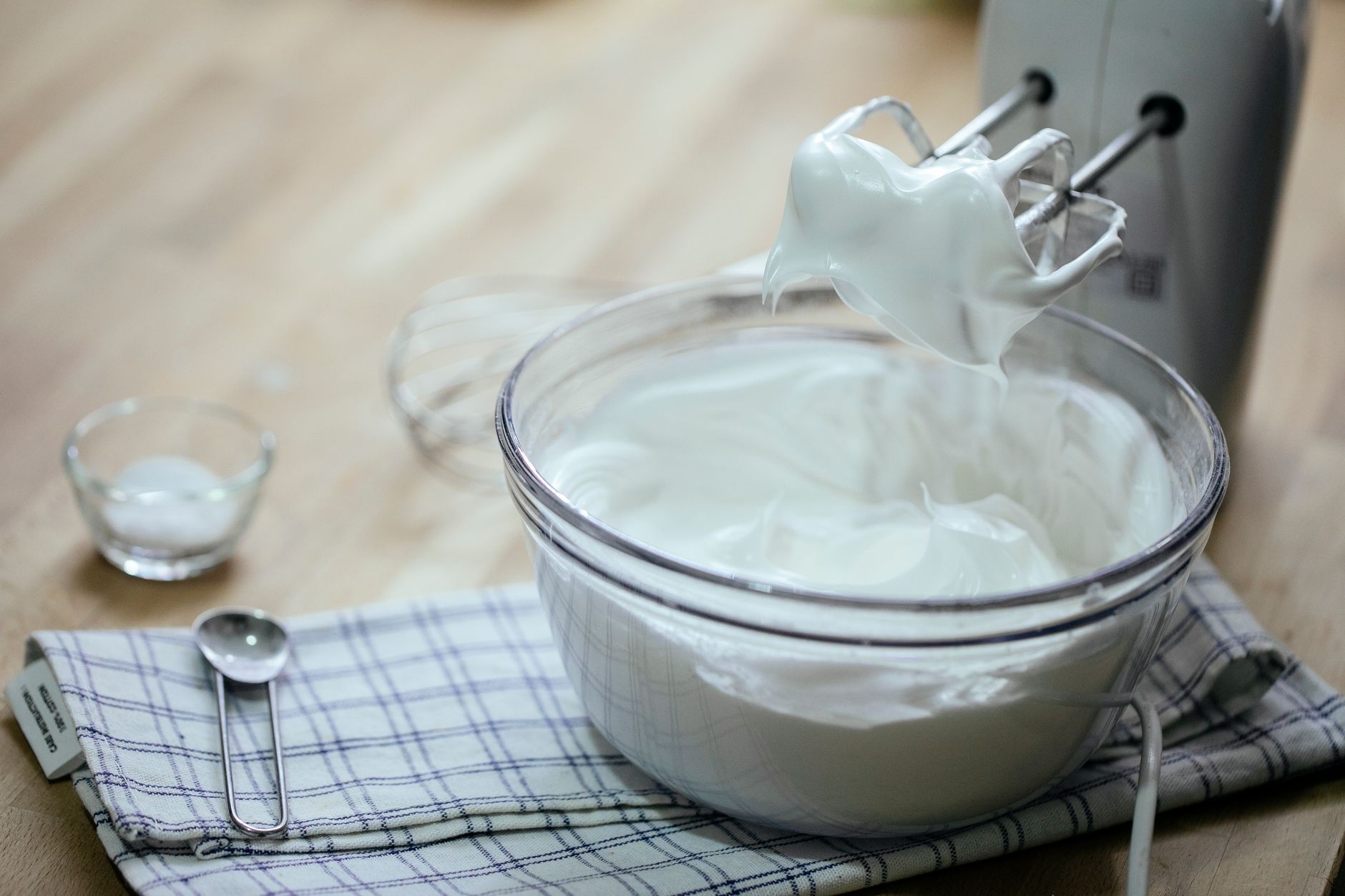
Whipped cream is a luscious and versatile topping that elevates desserts, beverages, and even savory dishes. While heavy cream is the traditional choice for making whipped cream because of its high-fat content, many wonder if whole milk can also do the job. In this article, we will explore whether you can make whipped cream with whole milk, how to do it, and tips for achieving a successful result.
Whole milk contains about 3.5% to 4% fat, which is significantly lower than the 36% or more found in heavy cream. This difference in fat content affects the ability to whip milk into a stable cream. However, with a few tricks and techniques, you can create a lighter version of whipped cream that can still enhance your favorite treats.
Can You Make Whipped Cream With Whole Milk?
Yes, you can make a whipped cream-like topping with whole milk, but the texture and stability will differ from traditional whipped cream. Whole milk will provide a fluffier and less stable whipped cream that may not hold its shape as long as whipped cream made from heavy cream. However, it’s a lighter alternative and can add a creamy element to desserts.
Understanding the Ingredients
To create a whipped topping using whole milk, it’s essential to understand the role of each ingredient involved. Here’s a breakdown:
- Whole Milk: Contains less fat, which can limit how well it can be whipped. However, you can still achieve some volume if used correctly.
- Sweetener: Powdered sugar is commonly used as it dissolves easily and helps stabilize the mixture. You can use granulated sugar, but this may lead to a grainy texture.
- Vanilla Extract: Adds flavor and enhances the overall taste of the whipped topping. You can also substitute with almond extract or cocoa powder for different flavors.
- Stabilizer (optional): Cornstarch, gelatin, or even a vegan option like arrowroot powder can help maintain the structure of the whipped milk, preventing it from deflating quickly.
Equipment You Will Need
Having the right equipment makes a significant difference in achieving the desired texture when making whipped cream with whole milk:
- Mixing bowl: A large, preferably chilled bowl helps maintain cold temperatures while whipping.
- Whisk or electric mixer: A whisk can work, but an electric mixer makes the process faster and provides more aeration.
- Measuring cups and spoons: Accurate measurement of ingredients ensures the best results.
- Spatula: For folding and serving the whipped cream.
Making Whipped Cream with Whole Milk: Step-by-Step Recipe
The following recipe outlines how to achieve a fluffy whipped topping using whole milk:
Ingredients
- 1 cup whole milk, chilled
- 2 tablespoons powdered sugar (adjust to taste)
- 1 teaspoon vanilla extract (optional)
- 1 tablespoon cornstarch (for added stability, optional)
Method
- Chill the Mixing Bowl: Begin by placing your mixing bowl in the freezer for about 10-15 minutes. A cold bowl helps create a better texture when whipping.
- Combine Ingredients: In the chilled bowl, add the whole milk, powdered sugar, vanilla extract, and cornstarch (if using). Whisk to combine gently before starting to whip. Mixing the dry ingredients with the milk can help prevent clumping.
- Start Whipping: Using an electric mixer on medium speed or a whisk, begin to whip the mixture. The milk will slowly begin to thicken as air is incorporated.
- Increase Speed: Once you notice some bubbles forming, increase the mixer speed to high. Continue whipping until soft peaks form. Soft peaks mean that the mixture holds shape but still looks smooth and creamy. Stop here if you want a lighter topping.
- Check Stability: If desired, you can whip the mixture a bit longer to achieve firmer peaks. However, be cautious as over-whipping can cause the mixture to separate.
- Serve: Use the whipped topping immediately or store it in the refrigerator for a short time. It won’t hold as well as traditional whipped cream, so try to use it within a couple of hours.
Tips for Success
While making whipped cream with whole milk can yield successful results, there are several tips to keep in mind:
- Use Very Cold Ingredients: Start with chilled whole milk and a cold bowl to ensure better whipping results.
- Avoid Over-Whipping: Monitor the mixture closely to avoid turning the whipped topping into butter.
- Consider Using a Stabilizer: If you want a more stable whipped topping, use cornstarch or gelatin, which can help maintain texture for longer.
- Experiment with Flavoring: Vanilla is classic, but don’t hesitate to try different extracts or flavors like chocolate, coffee, or seasonal spices.
- Mix Slowly Initially: Start the mixer on a low setting to avoid splatters as the milk begins to whip.
Common Mistakes and Troubleshooting
When making whipped cream from whole milk, here are some common pitfalls and how to remedy them:
- Not Whipping Enough: If the milk doesn’t thicken sufficiently, ensure your equipment is cold, and consider using a stabilizer like cornstarch.
- Texture Doesn’t Hold: If the whipped cream collapses quickly, it may help to add more cornstarch or use powdered sugar instead of granulated sugar.
- Grainy Texture: This can occur with granulated sugar; using powdered sugar can reduce this effect significantly.
- Too Much Air Whipped In: If peaks are too stiff and start to separate, fold in a splash more milk gently to return some creaminess.
Using Whipped Whole Milk in Recipes
Whipped cream made from whole milk can be used in various ways, complementing both sweet and savory dishes:
- Desserts: Use it atop puddings, pies, or as a filling in cakes.
- Drinks: It can enhance beverages like hot chocolate or iced coffee.
- Savory Dishes: Pair it with soups or savory pies for a fresh contrast.
Storage and Serving Suggestions
Since whole milk whipped cream is not as stable as heavy cream whipped, it’s best enjoyed fresh. However, if you need to store it, keep the following in mind:
- Store in an airtight container in the refrigerator for up to two days. Keep in mind it may lose volume and sweetness over time.
- You can re-whip it lightly before serving to regain some texture if it has deflated.
Comparing Whipped Cream With Whole Milk vs. Heavy Cream
Understanding the differences between whipped cream made from whole milk and heavy cream can help you make informed choices for your recipes.
| Aspect | Whole Milk Whipped Cream | Heavy Cream Whipped Cream |
|---|---|---|
| Fat Content | 3.5% to 4% | 36% or more |
| Texture | Lighter, fluffier | Richer, denser |
| Stability | Less stable, deflates quickly | Holds shape for longer |
| Whipping Time | Longer due to lower fat | Quicker, achieves peaks faster |
Can You Make Whipped Cream with Non-Dairy Milk?
Many people wonder if the same techniques can apply to non-dairy milk options such as almond or coconut milk. While it’s possible to whip some non-dairy alternatives, many contain thickeners or stabilizers that can work against achieving a whipped cream texture. Non-dairy creamers or thickened non-dairy options may yield more success. However, always be cautious of the flavor differences that can transfer to your final product.
Conclusion
Whipped cream made from whole milk is a lighter alternative that can still add a touch of creaminess to your dishes. While the texture may differ from traditional whipped cream, it provides a delightful option for those who prefer a less rich topping. Try experimenting with this lighter whipped topping in various recipes, and don’t shy away from mixing flavors to find the perfect combination.
For more culinary explorations, consider checking out our delicious cinnamon roll recipe with heavy cream or learn about substituting milk for heavy cream in your favorite recipes.