
Gout is a form of inflammatory arthritis caused by high levels of uric acid in the blood, which can lead to painful joint inflammation and swelling. Understanding its dietary implications is crucial for managing symptoms. One significant aspect to consider is the role of vegetables in a gout-friendly diet.
This article will guide you through the vegetables that individuals with gout should avoid, shedding light on their uric acid content, recommended portions, and various alternatives to keep your meals diverse and enjoyable.
What Vegetables to Avoid If You Have Gout?
If you have gout, it’s important to avoid certain vegetables that are high in purines or can trigger uric acid production. These include spinach, asparagus, mushrooms, cauliflower, and peas. Limiting these vegetables can help mitigate symptoms and prevent flare-ups.
Understanding Gout and its Causes
Gout occurs when there is excessive uric acid in the bloodstream, leading to crystallization in the joints. Key risk factors for gout include genetics, certain medications, and dietary choices. While red meats and alcohol are commonly known triggers, it’s equally important to be mindful of various vegetables.
The Role of Purines in Gout
Purines are compounds found in certain foods that the body breaks down into uric acid. Foods high in purines can lead to increased levels of uric acid. While not all vegetables are high in purines, some, particularly those in the group of “high-purine” vegetables, can still contribute to an increase in uric acid levels.
Vegetables to Avoid
Below is a detailed look at specific vegetables to avoid if you have gout, along with their purine content, recommended portions, and potential alternatives.
Spinach
Spinach is rich in nutrients but also high in purines, which can lead to increased uric acid levels. It’s best to limit spinach consumption to keep uric acid in check.
- Purine Content: Approximately 57 mg of purines per 100 g
- Recommended Portion: Limit to small servings, if consumed at all.
- Alternatives: Opt for kale or Swiss chard, which are lower in purines.
Asparagus
Asparagus is known for its health benefits, but it also falls into the high-purine category. It can cause issues for those susceptible to gout.
- Purine Content: About 23 mg per 100 g
- Recommended Portion: Avoid frequent consumption. Use sparingly in meals.
- Alternatives: Consider green beans or bell peppers, which are safer choices for gout sufferers.
Mushrooms
Mushrooms have moderate purine levels that might affect individuals with gout. Their moderate content necessitates cautious consumption.
- Purine Content: Approximately 18 mg per 100 g
- Recommended Portion: Limit servings; consider using only small amounts to flavor dishes.
- Alternatives: Use zucchini or potatoes instead in recipes where you typically include mushrooms.
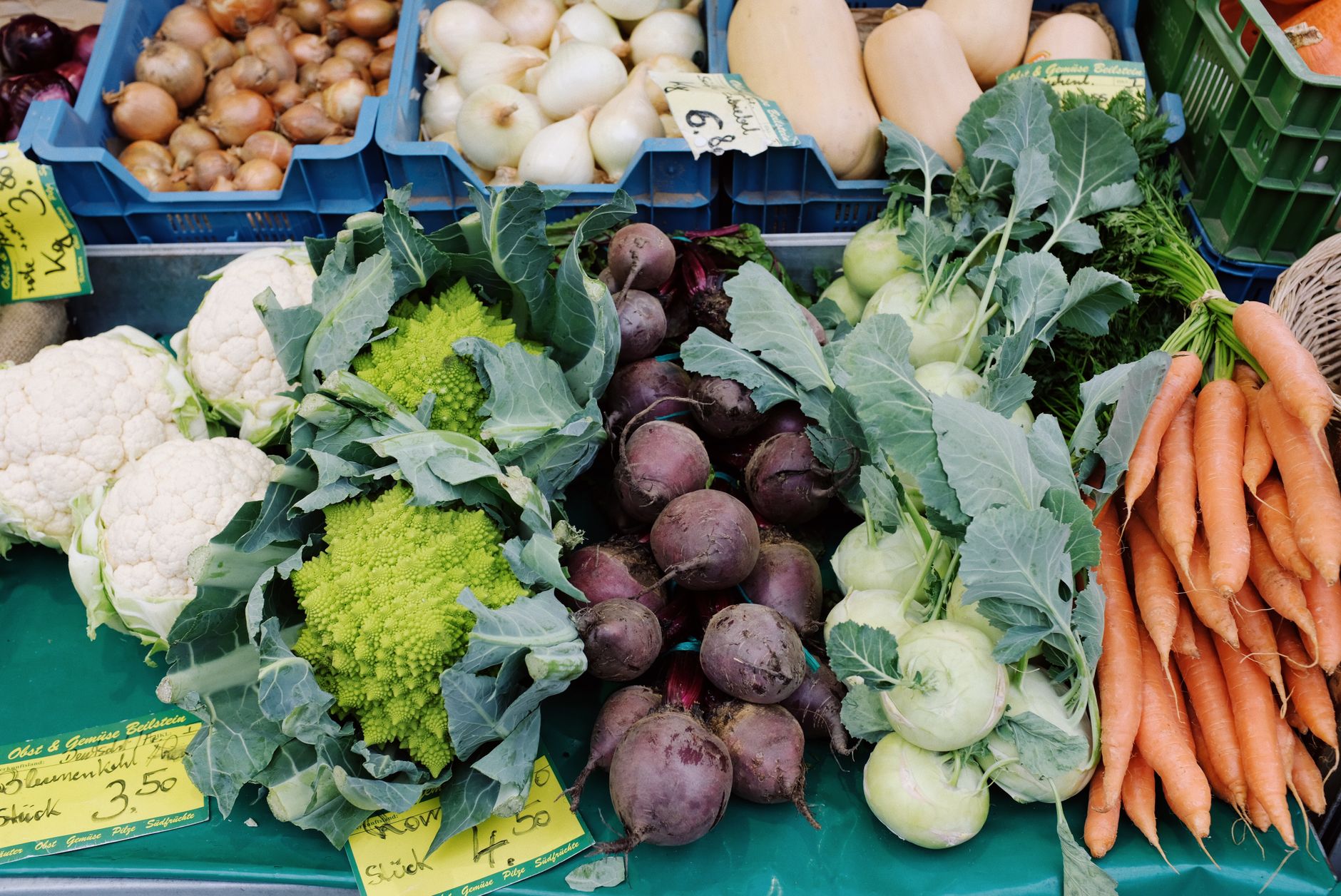
Cauliflower
Like other vegetables in the high-purine category, cauliflower can contribute to uric acid levels, necessitating a reduction in intake.
- Purine Content: About 51 mg per 100 g
- Recommended Portion: Minimize consumption; if eaten, stick to very small portions.
- Alternatives: Use broccoli or carrots, which are safer choices for those with gout.
Peas
Green peas, while a staple in many diets, should be avoided or consumed in limited quantities due to their higher purine content when compared to other vegetables.
- Purine Content: Approximately 45 mg per 100 g
- Recommended Portion: Avoid regular consumption; moderate any necessary use.
- Alternatives: Consider spinach (in moderation) or green beans as substitutes.
Other Vegetables to Consider with Caution
In addition to the above, several other vegetables may be better consumed with caution. Here are a few suggestions:
Brussels Sprouts
Brussels sprouts, while nutritious, can also be moderately high in purine content.
- Purine Content: Approximately 70 mg per 100 g
- Recommended Portion: Limit to small portions when needed.
- Alternatives: Opt for carrots or rutabaga.
Sweet Potatoes
Sweet potatoes are generally considered healthy, but they can also trigger gout for some individuals.
- Purine Content: Approximately 22 mg per 100 g
- Recommended Portion: Consume in moderation.
- Alternatives: Try butternut squash or regular potatoes.
Artichokes
Artichokes can add a unique flavor to dishes, but they are high in purine content and should be limited.
- Purine Content: Approximately 35 mg per 100 g
- Recommended Portion: Use sparingly and avoid excessive amounts.
- Alternatives: Consider leeks or celery as alternatives.
Understanding How Food Preparation Affects Uric Acid Levels
The way you prepare vegetables can impact their purine content. Cooking methods such as boiling can lower purine levels slightly as some may leach into the cooking water. Steaming and sautéing retain nutrients better while also impacting purine concentration.
However, it is essential to keep overall vegetable consumption in check, opting for lower-purine alternatives whenever possible. Prioritize vegetables with lower purine profiles, which will support both health and flavor balance.
Suggestions for a Gout-Friendly Lifestyle
Manejo de la gota no solo es sobre evitar ciertos alimentos; se trata de adoptar un enfoque saludable holístico. Here are a few strategies:
- Hydration: Drink plenty of water to help flush out uric acid.
- Moderation: Emphasize moderate portions of vegetables known to trigger gout while replacing higher-purine options with lower ones.
- Whole Foods: Focus on a diet rich in whole foods, including lean proteins, fruits, and low-fat dairy.
Portion Control and Meal Planning
Planning your meals with regard to portions is crucial for managing gout effectively. Here are a few practical tips:
Building a Gout-Friendly Plate
- Start with a base of low-purine vegetables such as carrots, cucumbers, or bell peppers.
- Incorporate healthy fats from sources like avocados or olive oil.
- Add lean proteins from sources like chicken or fish but limit red meats.
- Include whole grains such as brown rice or quinoa.
- Finish with a moderate serving of fruits, which are generally low in purines and high in fiber.
Sample Meal Plan
| Meal | Food Options |
|---|---|
| Breakfast | Oatmeal with berries and a dollop of low-fat yogurt |
| Lunch | Grilled chicken salad with mixed greens, cucumbers, and olive oil dressing |
| Dinner | Baked salmon, side of quinoa, and steamed broccoli |
| Snacks | Sliced bell peppers with hummus or low-fat cheese |
Final Thoughts on Managing Gout Through Diet
Taking an active role in your diet is key to managing gout effectively. By avoiding high-purine vegetables and focusing on lower-purine options, you can keep symptoms in check and enjoy a variety of meals. Always consult with a healthcare professional or nutritionist for a personalized diet plan that suits your individual needs and lifestyle.
As you navigate your dietary journey, remember to combine your food choices with a healthy lifestyle, including regular exercise and hydration, to combat gout effectively. Start by selecting healthier foods and experimenting with those vegetable alternatives, keeping your meals exciting and nutritious.
If you’re interested in exploring more recipes or tips for healthy cooking, consider checking out our Napa Cabbage Recipe and discover how to include dandelion greens in your meals with our Dandelion Greens Recipe.