
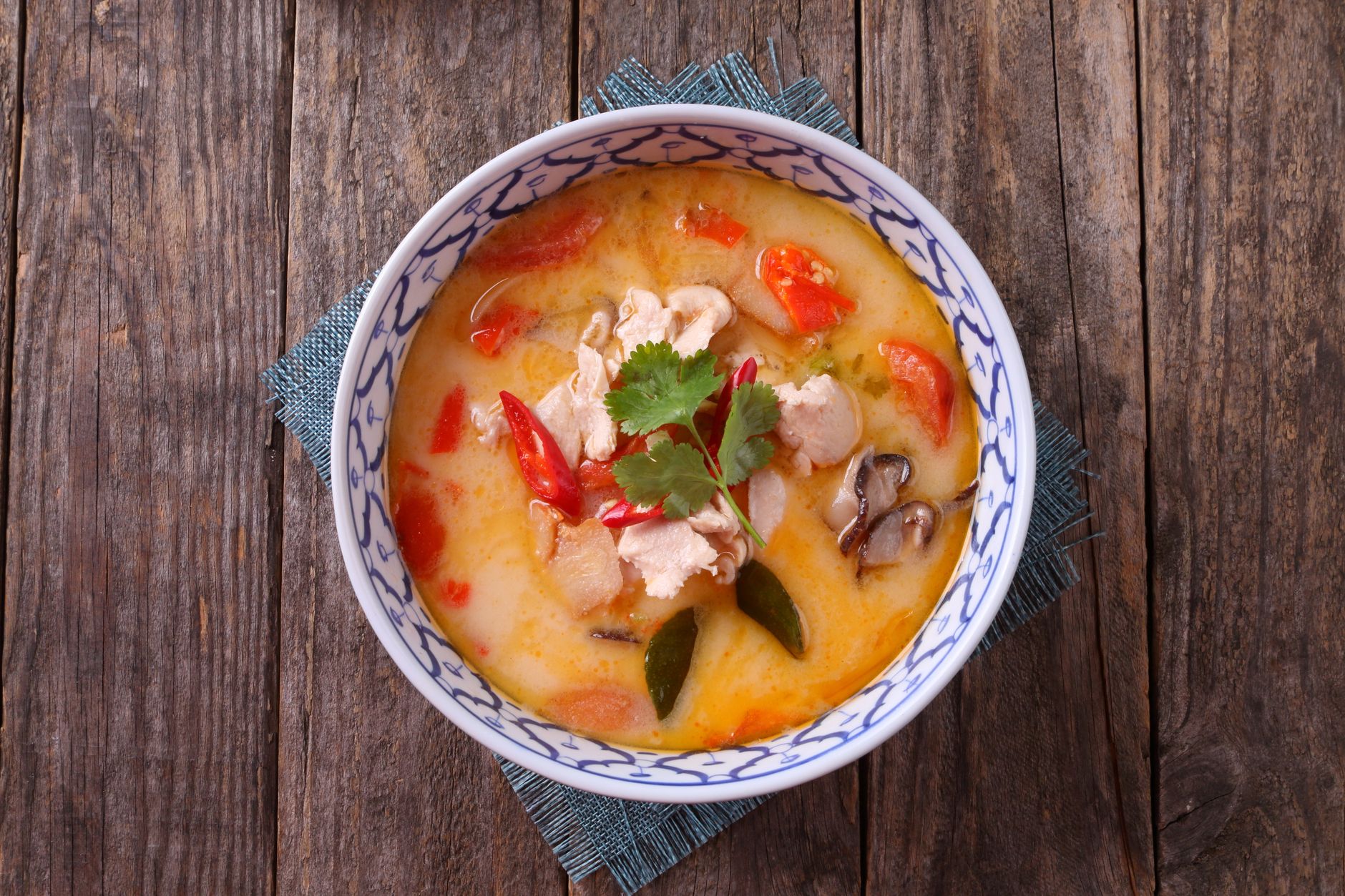
Tom Kha soup, often characterized by its creamy coconut base and aromatic herbs, is a beloved dish from Thai cuisine. It’s deeply flavorful with a balance of spice, tang, and sweetness, typically highlighting ingredients like lemongrass, galangal, and lime. But is Tom Kha soup actually healthy?
This article explores the nutritional benefits of Tom Kha soup, the ingredients that contribute to its healthiness, and considerations you should keep in mind when preparing it. Let’s dive into this delicious dish and what makes it a potential addition to your healthy eating repertoire.
Is Tom Kha Soup Healthy?
Yes, Tom Kha soup can be a healthy option due to its diverse range of ingredients that provide various nutrients. The soup is generally low in calories, rich in vitamins from fresh herbs, and offers healthy fats from coconut milk. However, the healthiness can vary based on preparation methods and ingredient choices.
Ingredient Breakdown
Tom Kha soup typically includes several main ingredients, each contributing to both flavor and nutritional value. Understanding these components will help you make informed choices about your version of this soup.
Coconut Milk
Coconut milk is a primary ingredient in Tom Kha soup, providing creaminess and a distinct flavor. While it does contain saturated fat, it’s in the form of medium-chain triglycerides (MCTs), which may be metabolized differently than long-chain fatty acids. This can potentially aid in weight management and provide energy. However, moderation is essential, as it remains energy-dense.
Chicken or Tofu
Depending on dietary preferences, the protein source in Tom Kha soup can vary. Chicken is commonly used for its protein content and flavor. It’s a good source of lean protein, essential for muscle development and repair. For those on a plant-based diet, tofu is an excellent substitute, offering plant-based protein along with beneficial nutrients like calcium and iron.
Herbs and Aromatics
The distinctive flavors of Tom Kha soup stem from fresh herbs and aromatics such as:
- Lemongrass: Known for its anti-inflammatory properties and potential digestive benefits.
- Galangal: A relative of ginger, it has antioxidant properties and may aid digestion.
- Kaffir lime leaves: Packed with flavonoids, they contribute both flavor and potential antimicrobial benefits.
- Thai bird chilies: A source of capsaicin, which may boost metabolism and have pain-relieving qualities.
- Coriander: Contains vitamins and provides a fresh taste.
Vegetables
Common vegetables added to Tom Kha soup include mushrooms, tomatoes, and bell peppers. These contribute vitamins, minerals, and fiber. Mushrooms are particularly noteworthy for their potential immune-boosting and antioxidant properties.
Nutritional Benefits of Tom Kha Soup
Now that we understand the ingredients, let’s look at some of the nutritional benefits associated with Tom Kha soup.
Low in Calories
Tom Kha soup can be relatively low in calories, especially if prepared with a broth base and plenty of vegetables. This makes it a suitable option for those looking to manage their weight while still enjoying a flavorful meal.
Rich in Antioxidants
The combination of fresh herbs and ingredients in Tom Kha provides a good array of antioxidants. Antioxidants are crucial in combatting oxidative stress in the body, which can contribute to various chronic diseases.
Hydration
Due to its broth-based nature, Tom Kha soup can contribute to your daily fluid intake, helping maintain hydration levels.
Heart Health
Using chicken or tofu for protein along with the healthy fats from coconut milk can offer a heart-healthy meal option. As mentioned, MCTs in coconut milk can positively influence cholesterol levels when consumed in balance.
Possible Considerations
While Tom Kha soup has many health benefits, there are some considerations to keep in mind:
Sodium Content
One of the main concerns with Tom Kha soup is its sodium content, often found in store-bought broths or seasoning mixes. Excess sodium can contribute to high blood pressure and other health issues. Opting for low-sodium broth or making your own can help manage this problem.
Allergies and Sensitivities
Certain ingredients, like fish sauce, may not be suitable for everyone. Those with seafood allergies or sensitivity to gluten (in some brands of soy sauce) should be cautious. Always check ingredient labels or make it from scratch to avoid allergens.
Cooking Tom Kha Soup at Home
Cooking Tom Kha soup at home allows for more control over ingredients and their nutritional values. Here’s a general guide to making a healthy version.
Ingredients
- 4 cups low-sodium chicken or vegetable broth
- 1 can (13.5 oz) coconut milk
- 1 lb (450g) boneless, skinless chicken breast or firm tofu, sliced
- 2 stalks lemongrass, cut into 3-inch pieces and smashed
- 3 slices galangal or ginger (if galangal is unavailable)
- 5 kaffir lime leaves, torn in half
- 3 Thai bird chilies, smashed (adjust to taste)
- 1 cup mushrooms, sliced
- 1 medium tomato, chopped
- 1 bell pepper, sliced
- 2 tablespoons fish sauce (or soy sauce for a vegetarian version)
- Juice of 1 lime
- Fresh coriander for garnish
Essential Equipment
- Large pot or Dutch oven
- Knife and cutting board
- Ladle
- Measuring cups and spoons
Method
- In a large pot, heat the low-sodium chicken or vegetable broth over medium heat.
- Add the smashed lemongrass, galangal, kaffir lime leaves, and bird chilies. Simmer for about 10 minutes to infuse the flavors.
- Add the chicken or tofu to the pot. Cook until the chicken is no longer pink or the tofu is heated through, about 5–7 minutes.
- Stir in the coconut milk, mushrooms, tomato, and bell pepper. Simmer for another 5 minutes until the vegetables are tender.
- Add the fish sauce (or soy sauce) and lime juice to taste. Adjust seasoning as needed.
- Remove from heat and garnish with freshly chopped coriander before serving.
Practical Substitutions and Variations
When cooking Tom Kha soup, feel free to make adjustments based on dietary preferences or ingredient availability. Here are several ways you might customize the recipe:
Protein Options
– **Duck or Shrimp:** These are traditional protein options in some regions and offer distinct flavors.
– **Mushroom Mix:** For a vegetarian version, consider substituting a mix of mushrooms, like shiitake, for added protein and earthiness.
Vegetable Add-ins
– **Green Beans or Broccoli:** Adding these can increase the vegetable content.
– **Carrots:** For sweetness and color, chopped carrots can blend well.
Low-Calorie Options
– **Reduced Fat Coconut Milk:** Using a light version of coconut milk can help decrease calorie content.
– **More Broth:** Increasing the amount of broth while reducing coconut milk can stretch servings and reduce calories further.
Common Mistakes and Troubleshooting
Cooking Tom Kha soup generally involves straightforward steps, but here are common pitfalls and how to avoid them:
Overcooking the Protein
Overcooking chicken or tofu can lead to a tough texture. Monitor cooking times closely, as they can cook quickly in hot broth.
Too Spicy
If the soup becomes too spicy, consider adding an extra splash of coconut milk to help balance the heat.
Flavor Balance
Finding the right balance of sweet, salty, and sour can be tricky. Taste as you go and adjust fish sauce or lime juice according to your preferences.
Storage and Reheating Guidance
Tom Kha soup can be stored and reheated effectively with proper care. Here’s how:
Storage
Allow the soup to cool completely before transferring it to an airtight container. It can be refrigerated for up to 3–4 days or frozen for up to 3 months. If freezing, consider leaving out ingredients like tofu, as it may change texture upon thawing.
Reheating
To reheat, gently warm on the stovetop over medium heat. If the soup appears too thick after refrigeration, you can add a bit more broth or water to achieve the desired consistency.
Conclusion
Tom Kha soup is a flavorful dish that showcases a blend of vegan and meat-based nutrients. When prepared with healthy ingredients and proper techniques, it can be a delightful and nutritious addition to your meal rotation. By being mindful of ingredients and cooking methods, you can create a version of Tom Kha soup that suits your dietary preferences while still highlighting its traditional roots.
For further exploration, consider making our chia pudding recipe or learn more about the health benefits of edamame. These recipes can complement your healthy eating journey!