
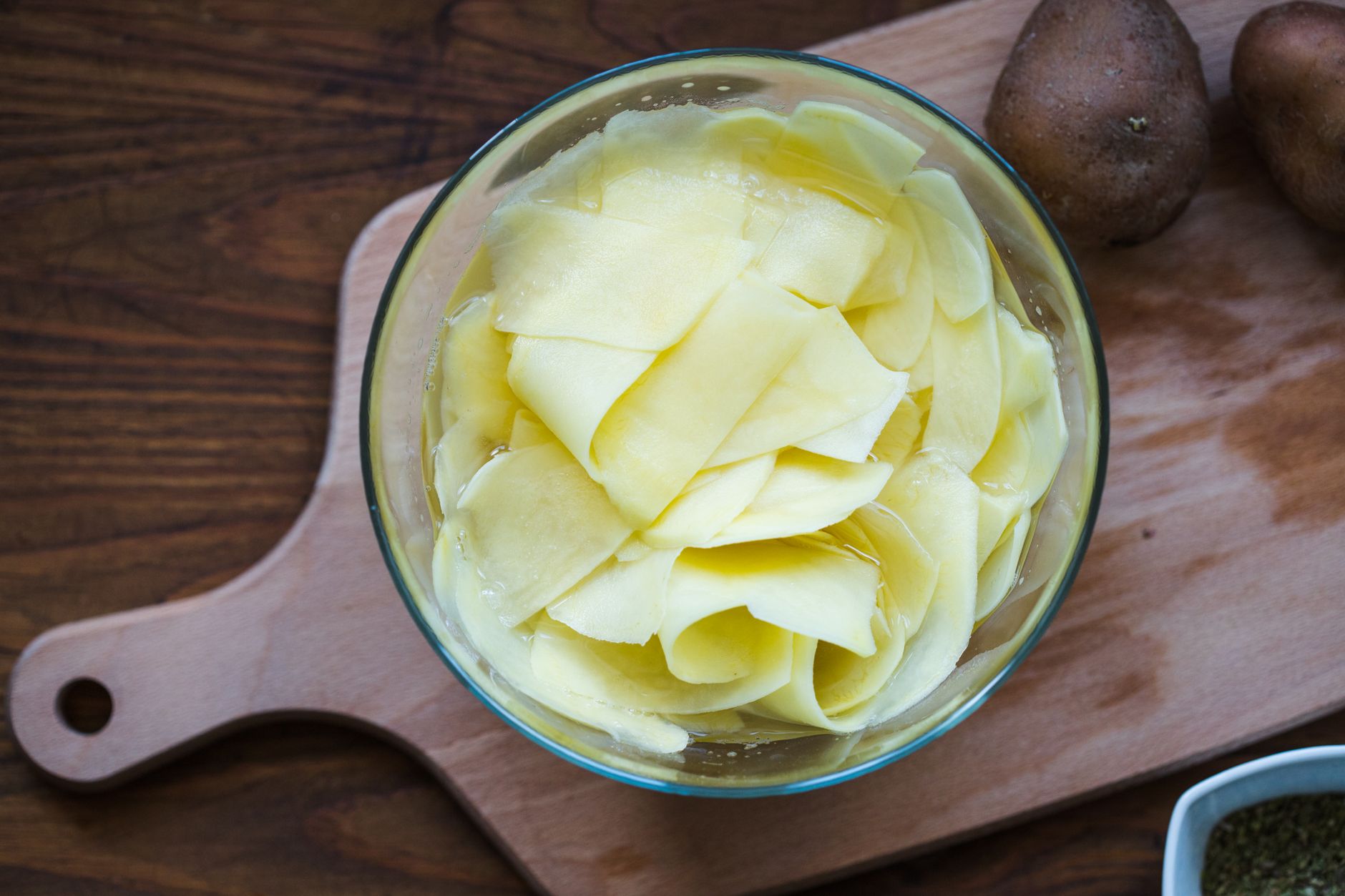
When it comes to cooking with potatoes, one common question that arises is how long peeled potatoes can sit in water. Understanding the best practices for soaking peeled potatoes can help preserve their quality, texture, and flavor. This guide will explore the details of soaking peeled potatoes, covering the duration, benefits, and best practices for maintaining their integrity.
Potatoes are a versatile ingredient for many dishes, from mashed potatoes to potato salads. However, once they are peeled, they can oxidize quickly, leading to an undesirable brown color. Soaking them in water can help prevent this oxidation and offer convenience during meal preparation. Here, we delve into the specifics of how long peeled potatoes can sit in water while still remaining fresh and usable.
How Long Can Peeled Potatoes Sit in Water?
Peeled potatoes can safely sit in cold water for about 24 hours. The cold water bath helps prevent oxidation and keeps the potatoes from turning brown. However, while soaking is beneficial for short-term storage, longer soaking times can result in texture changes and water absorption, leading to mushiness.
The Benefits of Soaking Peeled Potatoes
Soaking peeled potatoes in water offers several advantages that extend beyond just preventing browning:
- Reduces cooking time: Soaking can help soften the potatoes, reducing the time needed for cooking.
- Starch management: Soaking can remove some excess starch, leading to a smoother texture when mashed or fried.
- Flavor absorption: By soaking potatoes briefly in seasoned water, they can absorb flavors for a more flavorful dish.
- Convenience: Preparing potatoes in advance can save time during busy cooking sessions, making it easier to fit meal prep into your schedule.
Best Practices for Soaking Peeled Potatoes
To maximize the benefits of soaking peeled potatoes while minimizing potential downsides, follow these best practices:
1. Use Cold Water
Always soak peeled potatoes in cold water rather than warm or hot water. Cold water helps slow down the oxidation process and keeps the potatoes firm.
2. Store in the Refrigerator
If you plan on soaking your potatoes for an extended period, such as overnight, it is best to store the bowl in the refrigerator. This helps keep the potatoes fresh and reduces the chances of spoilage.
3. Cover the Bowl
Cover the bowl with a lid or plastic wrap to prevent contaminants from entering and to keep the water clean. This also helps maintain the cool temperature, especially if left in a warm kitchen.
How to Prepare and Store Peeled Potatoes in Water
Here’s a simple guide to prepare and store your peeled potatoes properly:
- Peeled potatoes: Start by peeling your potatoes with a vegetable peeler and cutting them into your desired shape, whether whole, diced, or sliced.
- Rinse the potatoes: Rinse them under cold water to remove any lingering dirt or debris.
- Soaking: Place the potatoes in a bowl and cover them with cold water. Ensure that they are completely submerged.
- Store: If soaking for more than an hour, cover the bowl and place it in the refrigerator.
- Time limit: Use the soaked potatoes within 24 hours for the best results.
Potential Issues with Soaking Peeled Potatoes
While soaking peeled potatoes is generally beneficial, there are some potential issues to be aware of:
1. Texture Changes
Soaking for too long can lead to the potatoes absorbing excess water, resulting in a mushy texture, which may be undesirable for certain dishes. Limit soaking to 24 hours for best results.
2. Nutrient Loss
Extensive soaking may lead to the loss of some water-soluble nutrients, such as vitamin C. To mitigate this, try not to soak for longer than necessary, especially if you plan on cooking them shortly after peeling.
3. Flavor Dilution
If potatoes are soaked in salted water for an extended period, they can become overly salty. Strive to maintain a balance by minimizing soaking times and adjusting seasonings accordingly when cooking.
Creative Ways to Use Soaked Peeled Potatoes
Once you’ve soaked and prepared your peeled potatoes, there are countless delicious ways to use them. Here are some ideas:
1. Mashed Potatoes
Soaked, peeled potatoes make an excellent base for creamy mashed potatoes. Boil them until fork-tender, mash with butter and cream, and season with salt and pepper for a delightful side dish.
2. Potato Salad
For a refreshing potato salad, boil soaked potatoes, then toss them with a mix of mayonnaise, mustard, celery, onion, and spices. The soaking helps create a firmer texture, preventing them from becoming mushy in the mix.
3. French Fries or Chips
After soaking in cold water, you can cut your potatoes into fries and either fry or bake them for a crispy texture. The soaking process helps remove excess starch, leading to a crunchier final product.
4. Hash Browns
Grate the soaked potatoes and squeeze out excess moisture before frying in a pan to create golden brown hash browns. Soaking will help achieve a perfect balance between crispiness and tenderness.
Can You Freeze Peeled Potatoes?
If you find yourself with an excess of peeled potatoes, freezing is an option, but it requires a few additional steps:
1. Blanching
Before freezing, blanch the peeled potatoes in boiling water for about 2-3 minutes. This process helps halt enzyme activity and preserves color, texture, and flavor during storage.
2. Cooling
After blanching, transfer the potatoes to an ice water bath to cool them quickly and stop the cooking process. Drain them well before freezing.
3. Freezing
Once cooled and drained, spread the potatoes on a baking sheet in a single layer, and freeze until solid. Transfer to airtight freezer bags with labels indicating the date for easy identification. Frozen potatoes can last up to 3 months.
Common Mistakes When Soaking Potatoes
To ensure that you don’t fall into the trap of common pitfalls, consider these mistakes to avoid:
- Using warm water: Always stick to cold water to prevent premature cooking or texture changes.
- Soaking too long: Avoid soaking for longer than 24 hours to maintain quality.
- Failing to rinse: Always rinse first to eliminate any dirt or chemicals from the peeling process.
- Overcrowding the bowl: Make sure the potatoes have enough space and water to prevent them from sticking together.
Conclusion
Peeled potatoes can sit in cold water for up to 24 hours while still maintaining their freshness and quality. Proper soaking practices can enhance cooking efficiency, reduce discoloration, and even improve flavor. Always store your soaked potatoes in the refrigerator and remember that soaking for too long may lead to texture changes or nutrient loss.
Now that you’re equipped with the knowledge of how to handle peeled potatoes, consider exploring related topics such as loaded mashed potatoes and making mashed potatoes ahead of time to maximize your cooking experiences in the kitchen.