
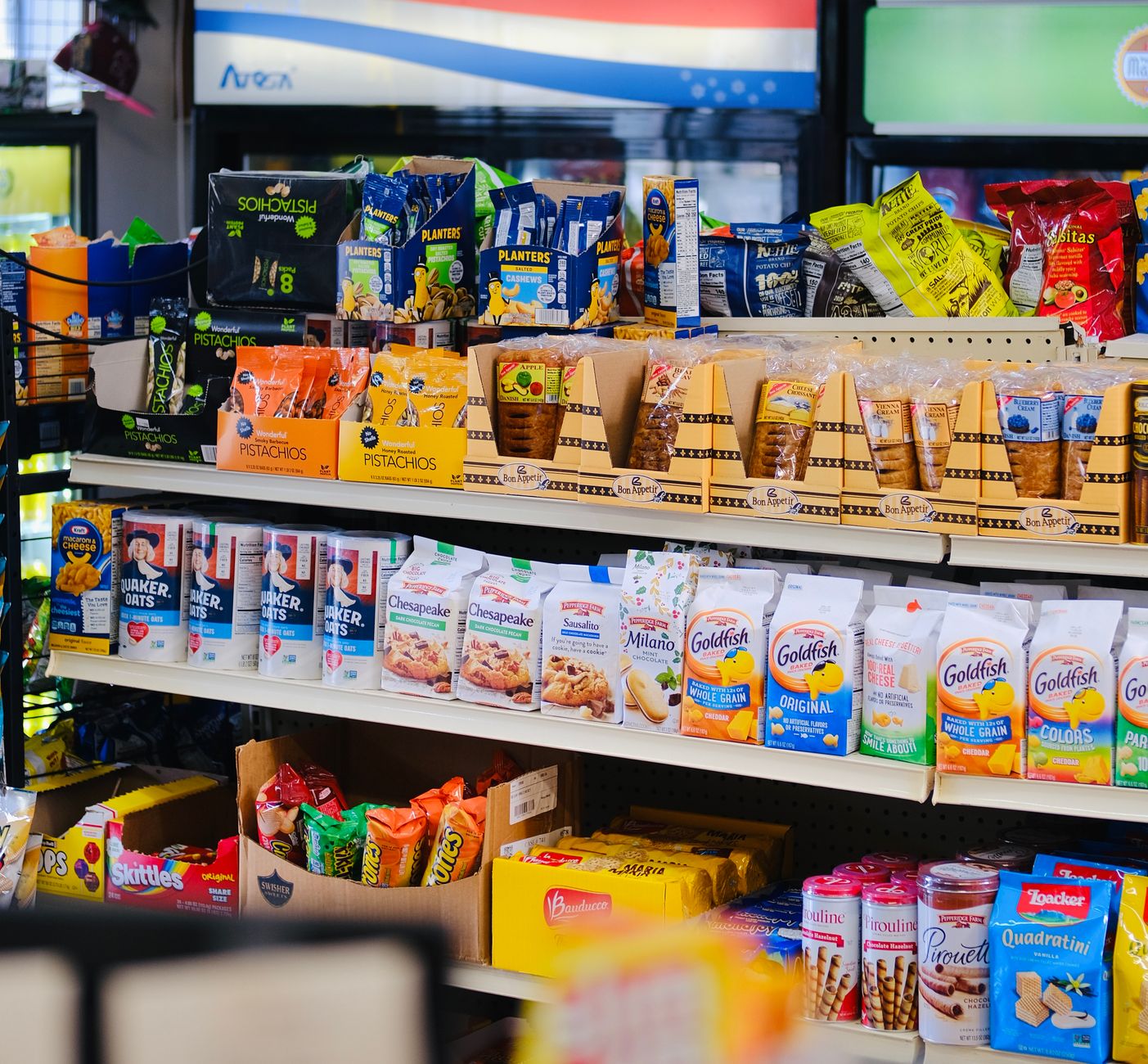
Processed food is a ubiquitous part of modern diets, yet it often carries a cloud of controversy regarding its nutritional value and impact on health. Understanding what processed food really entails and how it differs in terms of benefits and disadvantages is crucial for making informed dietary choices.
This article explores the nuances of processed food, examining its types, potential health effects, and practical serving ideas to help you navigate your food options wisely.
Is Processed Food Bad?
Processed food can be both good and bad, depending on the type and quality. While some processed foods are rich in nutrients and can contribute positively to a diet, others may be high in salt, sugar, and unhealthy fats, potentially leading to adverse health effects.
Understanding Processed Food
Processed food refers to any food that has been altered from its natural state, usually through various methods including canning, freezing, refrigeration, dehydration, or the addition of ingredients like preservatives, flavorings, and colorings. However, it’s important to note that not all processed foods are created equal.
Types of Processed Food
- Minimally Processed Foods: These include items that are processed for preservation but don’t have added ingredients, such as frozen fruits or vegetables.
- Foods Processed for Preservation: This category includes canned tomatoes, pickles, or yogurt, which have added ingredients but retain nutritional value.
- Ready-to-Eat Foods: Foods like deli meats, cheeses, and made soups fall into this category; they require minimal preparation but can have high sodium levels.
- Heavily Processed Foods: These are often found on supermarket shelves, including snack foods, frozen meals, and sugary cereals, typically high in additives and lacking in nutritional value.
Potential Health Effects of Processed Food
When considering whether processed food is bad, it’s essential to evaluate its potential health effects. Here are some common concerns and considerations:
Negative Health Impacts
- High in Added Sugars: Many processed foods contain excessive amounts of added sugars, contributing to obesity, diabetes, and heart disease.
- Excess Sodium: Processed foods are often rich in sodium, increasing the risk of hypertension and cardiovascular issues.
- Unhealthy Fats: Trans fats and saturated fats, commonly used in processed snacks and fast foods, can raise LDL cholesterol levels and contribute to heart disease.
- Preservatives and Additives: Some artificial additives in processed foods have been linked to health concerns, including allergic reactions and digestive issues in sensitive individuals.
Positive Aspects of Processed Food
- Convenience: Processed foods can save time in meal preparation, making it easier to maintain a busy lifestyle.
- Extended Shelf Life: Canned and frozen foods allow people to store food safely for extended periods without spoilage, reducing food waste.
- Nutritional Fortification: Some processed foods, like breakfast cereals and milk, are fortified with vitamins and minerals, potentially helping individuals meet their daily nutrient needs.
- Flavor Variety: Processed foods have made it possible to enjoy diverse flavors and meals without needing to cook from scratch.
Making Informed Choices About Processed Foods
Navigating the world of processed foods requires understanding how to select healthier options. Here are practical tips to help you make informed choices:
Read Labels Carefully
When buying processed food, spend time reading nutrition labels. Look for:
- Ingredients list: Choose products with fewer and recognizable ingredients.
- Added sugars: Aim for products with low or no added sugars.
- Sodium levels: Opt for lower sodium options, ideally less than 140 mg per serving.
- Fiber content: Select foods high in fiber for better fullness and digestion.
Opt for Whole Food Ingredients
Whenever possible, choose products that are primarily composed of whole food ingredients. For instance:
- Pick plain yogurt rather than flavored varieties laden with sugar.
- Choose whole grain bread over white bread that might contain preservatives.
- Select canned vegetables without added salt or sauces.
Be Cautious with Convenience Foods
While convenience foods save time, they often come with compromises. Consider preparing meals in bulk and freezing portions for easy access instead of relying solely on frozen dinners.
Serving Ideas for Processed Foods
Processed foods don’t have to be unhealthy or unappealing. Here are some creative serving ideas to incorporate them into balanced meals.
Breakfast
- Yogurt Parfait: Layer plain yogurt with fresh fruits and a sprinkle of granola to create a balanced breakfast.
- Overnight Oats: Combine rolled oats (minimally processed) with milk or yogurt and let them soak overnight. Top with nuts and honey.
Lunch
- Quick Quinoa Bowl: Mix frozen quinoa and toss it with canned beans, cherry tomatoes, and a drizzle of vinaigrette.
- Vegetable Wraps: Use whole grain tortillas to wrap up hummus, canned tuna, and fermented vegetables for a nutritious lunch.
Dinner
- Stir-Fried Convenience: Sauté pre-cut frozen vegetables with tofu or shrimp and a soy sauce for a quick meal.
- Canned Soup Delight: Elevate canned soups by adding fresh greens, proteins, or whole grains like barley for extra nutrients.
Snacks
- Energy Bites: Blend oats, nut butter, and honey into small bites that can be kept in the fridge for a quick snack.
- Fruit and Nut Mix: Combine dried fruits with nuts for a satisfying and nutritious snack alternative to chips.
Common Mistakes to Avoid
A few common pitfalls can hinder your efforts to make healthier choices regarding processed food:
- Ignoring Portion Sizes: Processed foods can be easy to overconsume. Pay attention to serving sizes to avoid excess calories.
- Assuming All Processed Food is Bad: Understand that not all processed food is unhealthy. Balance is key.
- Focusing Only on Labels: While labels are helpful, whole foods should generally make up the majority of your diet.
Storage and Reheating Guidelines
To get the most out of processed foods, proper storage and reheating techniques are essential:
Storage Tips
- Keep canned goods in a cool, dry place, avoiding direct sunlight.
- Store frozen foods at 0°F (-18°C) or lower for optimal freshness.
- Once opened, store perishable items like deli meats and cheese in airtight containers in the refrigerator.
Reheating Best Practices
- When reheating frozen meals, ensure they reach an internal temperature of 165°F (74°C) for food safety.
- Microwave food in intervals, stirring in between to ensure even heating throughout.
- Allow leftovers to cool quickly before placing them in storage to minimize bacterial growth.
Final Thoughts on Processed Foods
Determining whether processed food is bad involves looking closely at the specific product and its ingredients. While heavily processed options should be approached with caution, there are many healthy and beneficial processed foods available to enhance your dietary choices.
As you navigate processed food options, your best approach is to commit to balance, making informed choices based on nutritional needs, taste preferences, and convenience. Explore practical serving ideas and utilize healthier options of processed foods to support your overall health.
To learn more about specific types of oils and their potential effects, consider reading about seed oils. For a deeper dive into the topic of processed foods, check out this detailed analysis on processed food.