
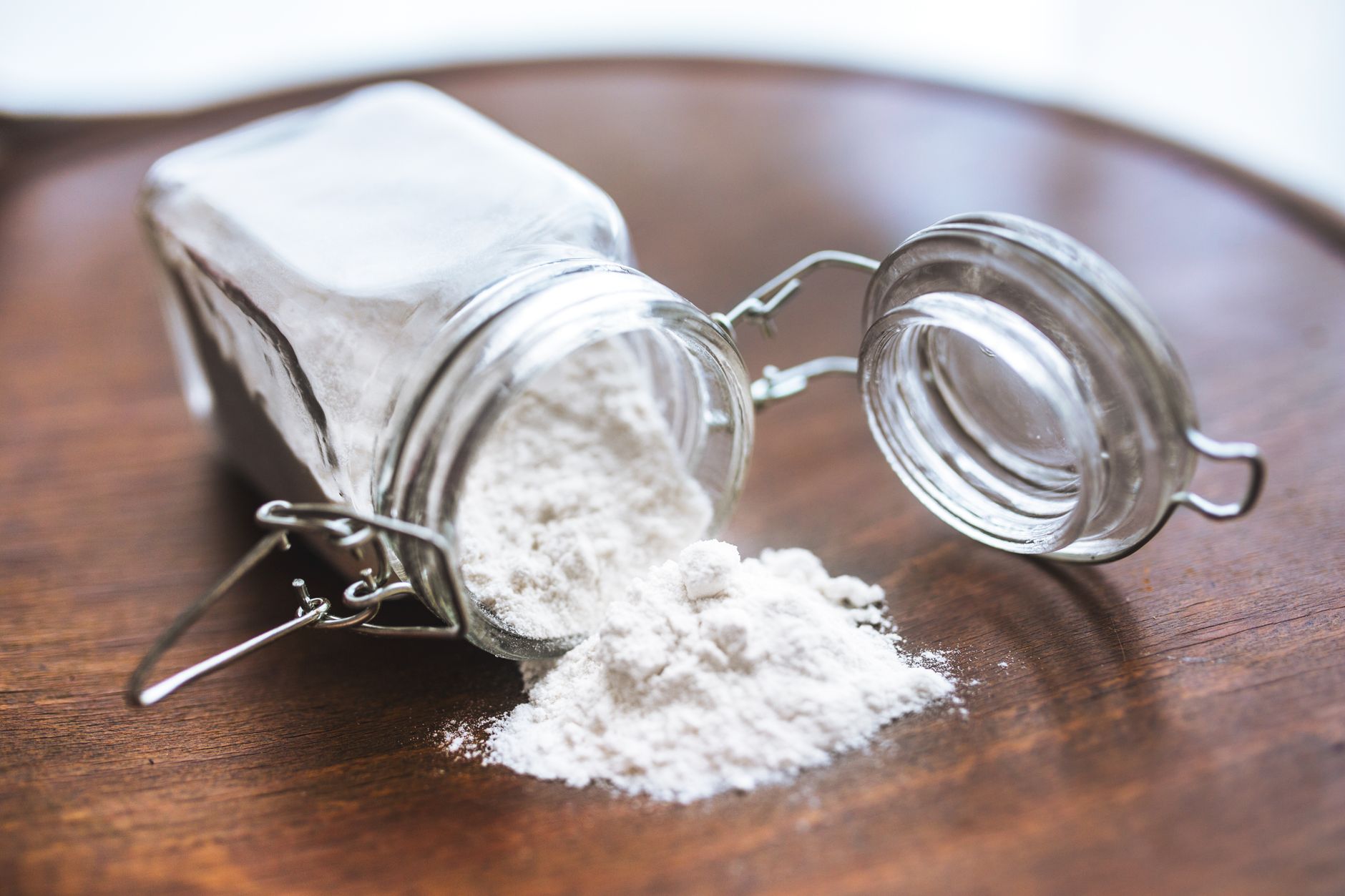
Cream of tartar, a white powder derived from the sediment left in wine barrels, is primarily known for its role in baking. It is used to stabilize egg whites and add acidity to certain recipes. However, many people are curious about this ingredient’s nutritional content, particularly its potassium levels. This article delves into how much potassium is found in cream of tartar, along with its culinary uses and substitutes.
Understanding the potassium content in cream of tartar is essential for those who may need to monitor their potassium intake for health reasons. This information can also help home cooks make informed ingredient choices while preparing favorite dishes.
How Much Potassium in Cream of Tartar?
Cream of tartar contains approximately 499 milligrams of potassium per teaspoon (around 4.6 grams). This high potassium content makes it a beneficial addition to some foods, especially for individuals needing to increase their potassium intake.
What is Cream of Tartar?
Cream of tartar, or potassium bitartrate, is a byproduct obtained from the fermentation of grapes. It is a natural acid and serves several important purposes in cooking and baking. Its white, fine powder can sometimes be confused with baking powder, but it serves a different role in recipes. Understanding its function helps clarify why it’s essential to have on hand while cooking.
Culinary Uses of Cream of Tartar
- Stabilizing Egg Whites: Cream of tartar is commonly added when whipping egg whites to help stabilize the foam, providing a fluffier texture. This is crucial in recipes like meringues and soufflés.
- Preventing Sugar Crystallization: In candy making, cream of tartar aids in preventing sugar from crystallizing, which results in a smoother texture.
- Leavening Agent: When combined with baking soda, cream of tartar acts as a leavening agent in baked goods, giving them a light and airy quality.
- Acidic Flavor: It adds a slight acidity to recipes, enhancing overall flavor in dishes such as certain cakes and cookies.
Why is Potassium Important?
Potassium is an essential mineral that plays a vital role in various bodily functions. It helps maintain fluid balance, supports muscle contractions, and aids in nerve function. Additionally, potassium contributes to maintaining a healthy blood pressure level and reducing the risk of stroke. Therefore, adequate potassium intake is crucial for overall well-being.
Daily Recommended Potassium Intake
The recommended daily intake of potassium for adults is about 2,500 to 3,000 milligrams. While cream of tartar can aid in reaching these levels, it’s advisable to balance it with other potassium-rich foods such as fruits (bananas, oranges), vegetables (spinach, potatoes), and legumes (beans, lentils).
How to Use Cream of Tartar in Recipes
Incorporating cream of tartar into recipes can elevate the quality of your baked goods. Here’s how you can effectively use cream of tartar based on its applications:
Stabilizing Egg Whites
- Start by ensuring your mixing bowl and beaters are free from grease and moisture.
- Separate the egg whites from the yolks, being careful to avoid any egg yolk contamination.
- Add about 1/8 teaspoon of cream of tartar per egg white before beginning to whip.
- Whip the egg whites on medium speed until soft peaks form, then gradually add sugar if desired.
Preventing Sugar Crystallization
- When making candy, measure your sugar and water into a saucepan.
- Before heating, add 1/8 teaspoon of cream of tartar for every cup of sugar used to aid in the prevention of crystals.
- Proceed to heat the mixture, stirring until the sugar dissolves completely. Cook without stirring until it reaches the desired temperature.
Common Substitutes for Cream of Tartar
If you find yourself without cream of tartar, there are several substitutes you can use based on the specific application in your recipe:
- Lemon Juice: Replace 1 teaspoon of cream of tartar with 1 teaspoon of lemon juice for stabilizing egg whites or adding acidity.
- Vinegar: Similar to lemon juice, vinegar can substitute for cream of tartar in equal amounts for stabilizing purposes.
- Baking Powder: If you want a leavening effect, substitute 1.5 teaspoons of baking powder for every teaspoon of cream of tartar while reducing the additional baking soda in the recipe accordingly.
Potential Issues and Troubleshooting
While cream of tartar is a reliable ingredient in many recipes, a few common problems could arise:
Overwhipping Egg Whites
Overwhipping egg whites can lead to a dry, grainy texture. Stop whipping as soon as you reach stiff peaks for best results.
Crystallization While Cooking Sugar
If sugar begins to crystallize when making candy, ensure that no stray sugar crystals are sticking to the sides of the pan. Brush down the sides of the pan with a wet pastry brush to help dissolve them.
Serving Ideas and Pairings
Once you’ve stabilized your egg whites or prevented crystallization in candies, here are a few delectable serving ideas:
- Use stabilized meringue to create a beautiful topping for pies such as lemon meringue or chocolate cream.
- Incorporate whipped egg whites into fluffy pancake or waffle batter for a light breakfast treat.
- Craft delicious sweets like nougat or Divinity candy through the candy making process.
Storage and Shelf Life of Cream of Tartar
To maintain the potency of cream of tartar, store it in a cool, dry place away from moisture and heat. When properly stored, cream of tartar can last indefinitely, although it’s best to use it within a few years for optimal freshness.
Conclusion
Cream of tartar is an invaluable ingredient in the kitchen, particularly due to its high potassium content and various culinary uses. Whether you are stabilizing egg whites, preventing sugar from crystallizing, or enhancing flavors, knowing how to use this ingredient effectively can elevate your baking and cooking skills.
For those looking for more creative recipes utilizing this essential ingredient, explore our snickerdoodle recipe without cream of tartar and our French meringue recipe. Each offers valuable insights into how you can incorporate this versatile ingredient into your baking repertoire.