
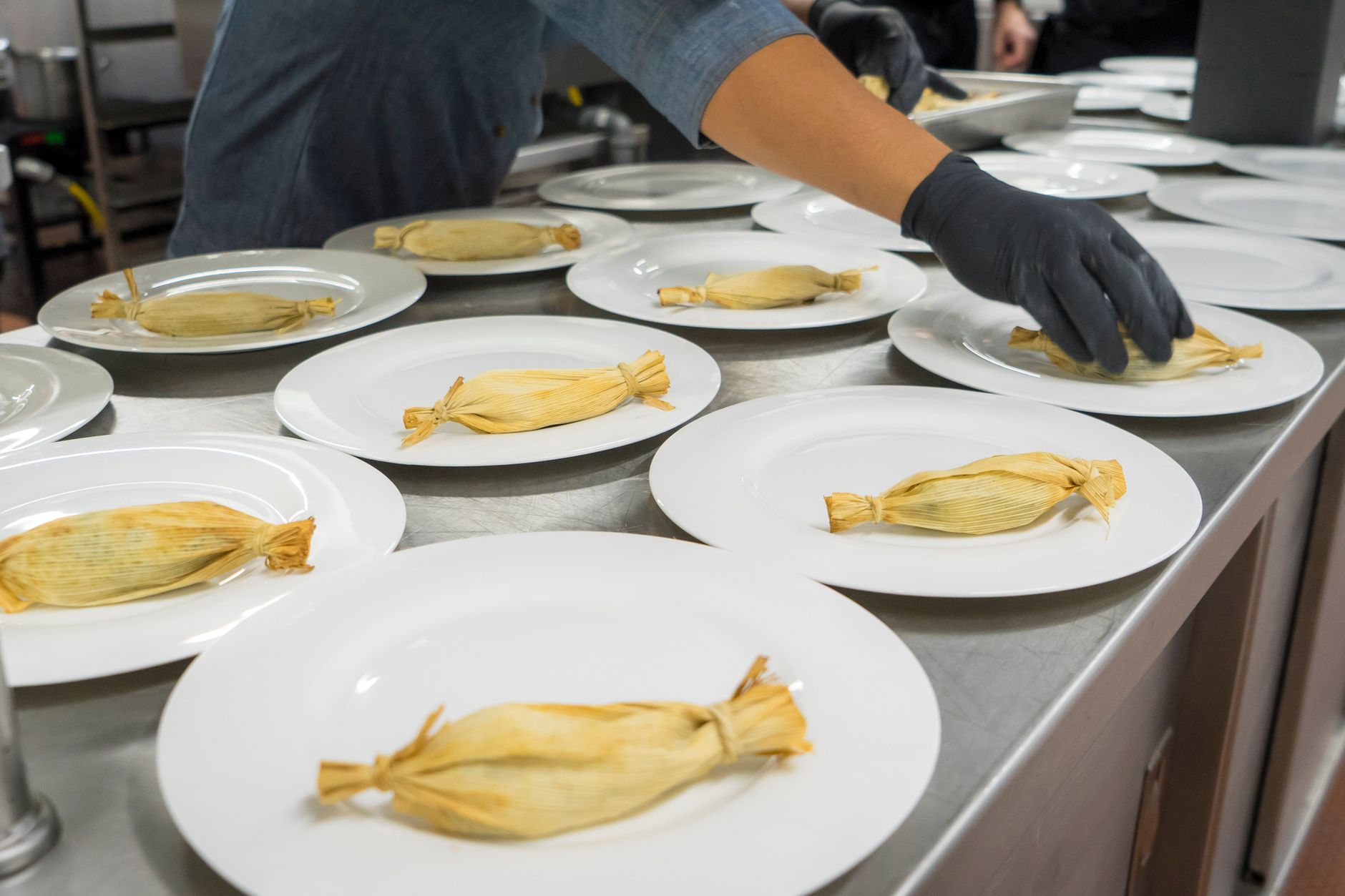
The question of whether to say tamal or tamale often sparks curiosity among food lovers and home cooks alike. While both terms refer to a delicious traditional Mexican dish, understanding their usage and nuances can enhance your culinary knowledge. This guide explores the origins, differences, and serving ideas for tamales, ensuring you’ll know exactly how to enjoy and refer to them.
Tamales are a versatile dish made primarily from masa (corn dough) and filled with various ingredients ranging from meats to vegetables and even sweets. This article will delve into the details of tamales, including their history, preparation techniques, flavor profiles, and tips for serving them. Whether you’re a seasoned chef or a curious beginner, you’ll find valuable insights to help you master this beloved dish.
Is It Tamal or Tamale?
The difference between tamal and tamale primarily comes down to language and regional variations. “Tamal” (singular) comes from Spanish while “tamales” (plural) is used to refer to more than one. In English-speaking contexts, it’s common to hear “tamale” used loosely, but the correct term is “tamal” when referring to a single piece.
To put it simply, if you’re talking about one, it’s a tamal; if you’re referring to more than one, it’s tamales. Understanding this distinction is not only linguistically interesting but can also enhance your appreciation of the dish and its cultural significance.
History and Cultural Significance of Tamales
Tamales have a rich history that dates back thousands of years. The origins of this dish can be traced to ancient Mesoamerican cultures, including the Aztecs and the Mayans. They were traditionally prepared for special occasions and were easy to transport, making them popular among travelers and warriors.
The versatility of the tamale is remarkable; it has evolved over time, incorporating local ingredients and culinary practices from various regions. In Mexico, tamales are an essential part of celebrations, especially around holidays like Día de los Muertos (Day of the Dead) and Christmas. They symbolize family and tradition, often made in large batches and shared among family and friends.
Core Ingredients Used in Tamales
The essential components of tamales include:
- Masa: This is the primary ingredient, made from hominy or corn that has been nixtamalized, dried, and ground. The masa forms the base for the tamal.
- Filling: Common fillings can include meats (like pork, chicken, or beef), cheese, vegetables, and even sweet options such as fruits or chocolate.
- Wrapping: Most tamales are wrapped in dried corn husks or banana leaves before being steamed, which helps retain moisture and flavor.
- Seasoning: Various herbs, spices, and sauces are used to enhance the flavors of the masa and filling.
Basic Cooking Techniques for Making Tamales
Making tamales can seem daunting at first, but with some practice, it becomes a straightforward process. Below are the basic techniques to prepare tamales:
Preparing the Masa
- Mix the Masa: Combine masa harina with baking powder and salt in a bowl. Gradually add chicken broth or water while mixing until a soft, spreadable dough is formed.
- Incorporate Fat: Traditionally, lard is used for richness, but you can substitute it with vegetable shortening or butter. Cream the fat until fluffy and mix it into the masa.
Creating Fillings
The filling can be as simple or elaborate as you want. Here are some popular options:
- Pork with Red Chile Sauce: Cook pork, shred it, and mix it with red chile sauce for a rich flavor.
- Chicken with Green Salsa: Shredded chicken mixed with tangy green salsa creates a zesty filling.
- Vegetarian: Roast vegetables like zucchini, peppers, and beans with spices for a delicious meat-free option.
- Sweets: Combine chocolate with nuts or fresh fruits for dessert tamales.
Wrapping the Tamales
- Soak Corn Husks: Before wrapping, soak dried corn husks in warm water until they become pliable, about 30 minutes.
- Spread the Masa: Take a soaked corn husk, spread a tablespoon of masa onto the wide end, leaving at least one inch of space on all sides.
- Add Filling: Place a spoonful of your chosen filling in the center of the masa.
- Wrap: Fold the sides of the husk over the filling and then fold the bottom up to seal the tamal.
Cooking the Tamales
- Prepare the Steamer: Fill a large pot with water and place a steamer basket inside. Make sure the basket is above the water level.
- Arrange Tamales: Stand tamales upright in the steamer basket. Cover them with any remaining husks and a damp cloth to keep moisture.
- Steam: Cover the pot and steam for 1 to 1.5 hours, checking occasionally to ensure they don’t dry out. The tamales are done when the masa easily separates from the husk.
Common Variations of Tamales
While the classic tamal is beloved, there are numerous regional variations that can be explored:
- Sweet Tamales: Often made with sweetened masa and filled with fruits, nuts, or chocolate, these are typically served as desserts.
- Oaxacan Tamales: Made with banana leaves instead of corn husks and traditionally filled with mole sauces, offering a different flavor profile.
- Guatemalan Tamales: Usually thicker than Mexican tamales, often made with a variety of meats and vegetables wrapped in banana leaves.
- Vegan Tamales: Utilize plant-based fillings such as mushrooms, spinach, or tofu, and can be made with vegetable shortening for the masa.
Common Mistakes When Making Tamales
Even experienced cooks can make mistakes when preparing tamales. Here are some common pitfalls and how to avoid them:
- Masa Texture: If your masa is too dry, it will not hold together well. Make sure to incorporate enough liquid and fat until you achieve a soft, spreadable texture.
- Poorly Wrapped Tamales: If tamales are not tightly wrapped, they may open during cooking. Ensure a snug wrap and fold up securely.
- Inadequate Steaming: Not enough water in the steamer can lead to burnt tamales. Keep an eye on the water level throughout the cooking process.
Serving Ideas for Tamales
Tamales can be served in various ways, elevating their flavor and presentation:
- With Salsas: Serve with a variety of salsas, such as pico de gallo, salsa verde, or mole sauce, allowing guests to choose their favorite accompaniments.
- Garnishes: Top tamales with sour cream, guacamole, or crumbled cheese for added richness and flavor.
- As Part of a Meal: Pair tamales with side dishes like rice, beans, or a fresh salad for a complete dinner plate.
- Breakfast Tamales: Consider using breakfast fillings, such as scrambled eggs and cheese, for a hearty start to your day.
Storage and Reheating Tips for Tamales
Understanding how to properly store and reheat tamales is key to enjoying their flavors long after they’ve been made:
Storage
- Wrap tamales tightly in aluminum foil or plastic wrap and place them in an airtight container.
- Store in the refrigerator for up to a week or freeze for up to three months.
Reheating
- Steaming: The best method is to re-heat tamales by steaming them. This helps retain moisture and enhances flavor.
- Microwave: If you’re short on time, microwaving them works. Be sure to wrap them in a damp paper towel to avoid drying out.
Exploring Global Perspectives on Tamales
While tamales are rooted in Mexican culture, the concept of wrapping dough around fillings and steaming has been embraced worldwide. In Central America, variations of tamales feature local ingredients and methods, and even further afield, like the Filipino “sumalas” offer a unique twist on the concept.
Mexican and Central American tamales differ significantly, showcasing the importance of regional ingredients and traditional preparation methods. The diversity in flavor, presentation, and cultural significance can inspire innovation in your own kitchen.
Conclusion
Understanding the difference between tamal and tamale enhances your appreciation of this delectable dish, along with its rich history and cultural significance. Whether you choose to make traditional versions or explore innovative fillings, the process is rewarding and enjoyable.
Now that you have a solid grasp of tamales, consider incorporating them into your meal plans or experimenting with your own variations. The culinary avenues are vast and fulfilling. Enjoy crafting these delicious parcels of flavor and sharing them with loved ones!
Explore more about making salsa, meal prepping food ideas, or exploring Mexican cuisine to complement your tamales!