
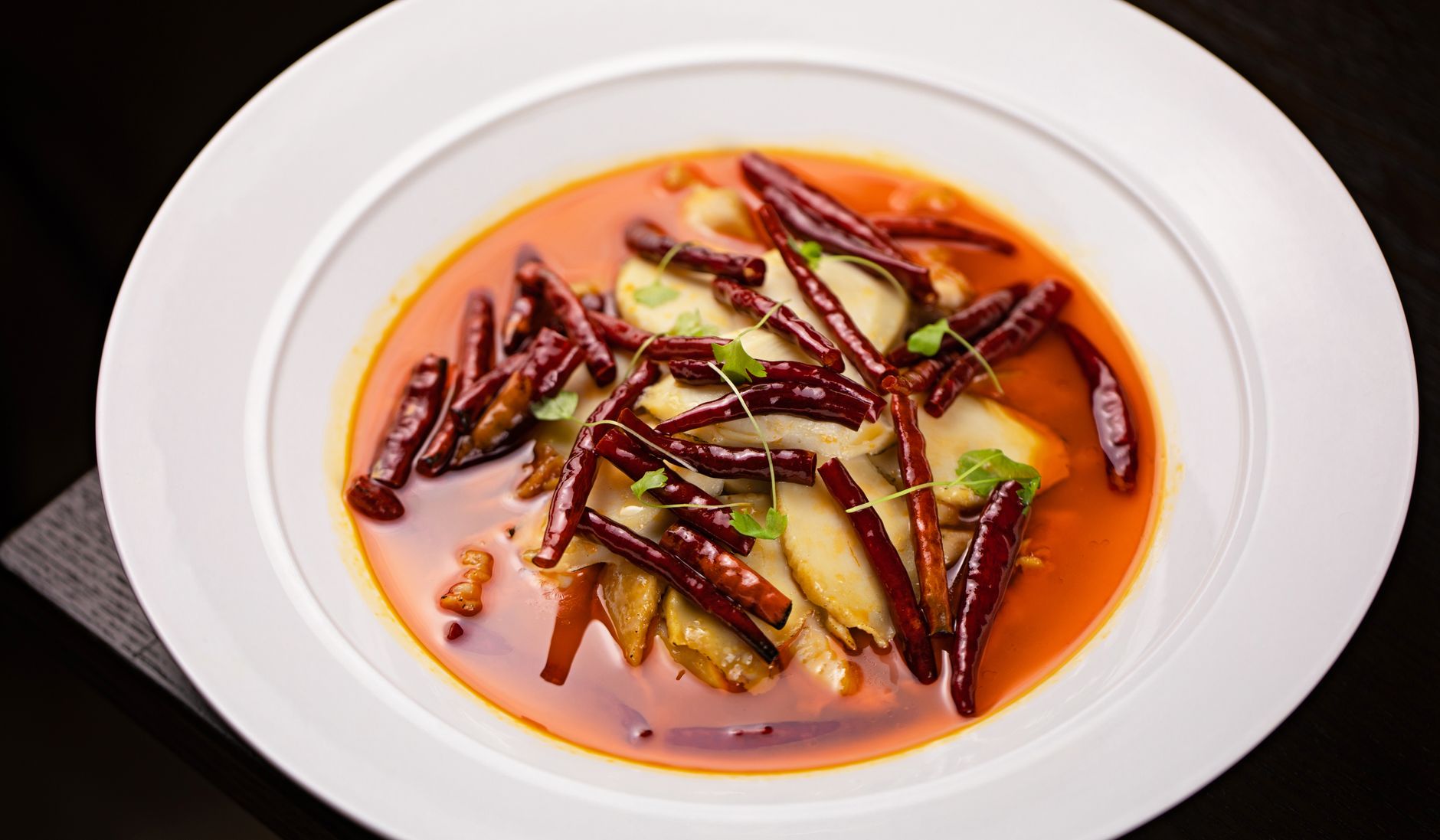
Spicy food often ignites a passionate debate among culinary enthusiasts and daring eaters. Different cultures around the world embrace spice, but which country can claim the title for the spiciest food? This article delves into famous spicy cuisines, their unique spice blends, and signature dishes, while exploring the heat levels and culinary traditions of various countries.
From the fiery curries of India to the aromatic peppers of Mexico, this guide provides an in-depth look at notable spicy cuisines, influences on flavors, and how to incorporate these spices into your kitchen. Whether you’re a lover of heat or just curious about what ignites the fire in these dishes, there’s something for everyone!
Which Country Has The Spiciest Food?
India is frequently considered the country with the spiciest food, known for its extensive use of chilies, curry spices, and hot condiments. Other contenders include Thailand, Mexico, and some regions of China, each with distinct chili varieties and spice preparations that create intense heat levels.
Notable Spicy Countries and Their Signature Dishes
1. India
India has a rich tapestry of spices woven into its culinary heritage. The use of chili peppers, along with spices such as cumin, coriander, cardamom, and turmeric, helps create dishes bursting with heat and flavor.
- Signature Dishes:
- Vindaloo: A pork or chicken dish from Goa, it is known for its spicy heat, thanks to the generous use of Kashmiri red chilies, vinegar, and spices.
- Chicken Curry: Various regional recipes exist, with many utilizing spicy green chilies and aromatic spices for a fiery experience.
- Raita: A cooling yogurt dish often served with spicy foods to balance out the heat.
2. Thailand
Thai cuisine beautifully balances sweet, sour, salty, and spicy flavors. Ingredients like bird’s eye chilies, chili paste, and curry paste are prevalent, bringing an intense heat to their signature dishes.
- Signature Dishes:
- Green Curry: This dish features a green curry paste made from fresh green chilies, giving it a vibrant color and intense spice.
- Som Tum: A green papaya salad that can be served with varying levels of chili heat, depending on the region.
- Tom Yum Soup: A hot and sour soup made with chili paste, lime, and various proteins, it warms the soul.
3. Mexico
In Mexico, the richness of spices is offset by the cultural heritage that emphasizes various chili variations. Ingredients like jalapeños, habaneros, and chipotle are staples in many dishes.
- Signature Dishes:
- Mole: A rich, complex sauce often made with chili peppers, chocolate, and spices, with heat levels adjusted to taste.
- Salsa: A mix of tomatoes, onions, cilantro, and peppers, salsas can range from mild to incredibly fiery based on the chilies used.
- Chiles en Nogada: Stuffed poblano chilies with a creamy sauce, it combines the heat of the pepper with the cooling effect of the unique sauce.
4. China
Chinese cuisine emphasizes regional flavors, and some areas are known for their heat, particularly Sichuan cuisine. This cuisine utilizes both chili heat and unique numbing spices such as Sichuan peppercorns.
- Signature Dishes:
- Mapo Tofu: A classic Sichuan dish featuring spicy tofu cooked in a sauce laden with chili oil and peppercorns for added heat and flavor.
- Hot Pot: A communal dish with a spicy broth made from various chilies, often enjoyed with various meats and vegetables.
- Spicy Chengdu Noodles: Noodles topped with a spicy, aromatic sauce showcasing the heat of numerous chili varieties.
5. Jamaica
Jamaican cuisine is known for its bold flavors, including the prolific use of Scotch bonnet peppers, which pack a significant punch.
- Signature Dishes:
- Jerk Chicken: A famous dish marinated in a spice mix featuring Scotch bonnet peppers, delivering a spicy and smoky flavor.
- Escovitch Fish: Fried fish topped with a spicy vinegar-based sauce, often made with hot peppers.
- Callaloo: A leafy green dish that can be spiced up with hot peppers for added heat.
Understanding Chili Heat Levels
The heat of different chilies can vary significantly, and this is measured in Scoville Heat Units (SHU). The following are examples of common chili peppers and their approximate heat levels:
| Chili Pepper | Scoville Heat Units |
|---|---|
| Poblano | 1,000 – 2,000 |
| Jalapeño | 2,500 – 8,000 |
| Chili de Árbol | 15,000 – 30,000 |
| Habanero | 100,000 – 350,000 |
| Carolina Reaper | 1,400,000 – 2,200,000 |
Understanding this scale can help you choose appropriate chilies for your dishes or assess a cuisine’s spice level. It is essential to consider personal tolerance when trying spicy foods from different cultures.
Cooking with Spices: Techniques and Tips
Incorporating spicy ingredients into your cooking can enhance flavor profiles beautifully. Utilizing techniques can maximize flavor while managing heat levels.
1. Balancing Flavor
When cooking with hot spices, pairing them with cooling agents can create a harmonious dish.
- Use dairy products, such as yogurt or sour cream, to temper heat in spicy dishes.
- Incorporate sweet elements, such as sugar or honey, to provide sweetness and create balance.
2. Spice Infusion
Infusing oil with spices can intensify the flavor without overwhelming the dish.
- Heat oil in a pan and add spices like cumin, mustard seeds, or dried chilies to release their essential oils and aroma.
- Use infused oils to dress salads or drizzled over pizza to enhance flavors.
3. Making Pastes and Sauces
Creating spice pastes or sauces allows for better control over flavor and heat levels.
- Blend fresh chilies with garlic, ginger, and aromatics to create a flavorful paste for marinating meats or mixing into sauces.
- Incorporate roasted spices into sauces to add depth and character.
4. Adjusting Heat Levels
If a dish becomes too spicy, consider these solutions:
- Add more ingredients like rice, beans, or vegetables to dilute the heat.
- Incorporate a sugar or honey to counteract the spiciness.
- Serve with yogurt or a creamy element to balance flavors.
Exploring Gourmet Spicy Applications
If you’re looking to elevate your cooking with added spice, consider experimenting with gourmet ingredients. Listed below are premium spice options to enhance your dishes.
- Ghost Peppers: Intense in flavor and heat, they can be used sparingly to create stunning sauces.
- Szechuan Peppercorns: These add a unique numbing sensation along with spiciness; perfect for authentic Sichuan dishes.
- Smoked Paprika: While not overly spicy, it can introduce a smoky depth that pairs well with grilled meats.
Common Mistakes When Cooking with Spices
To achieve delicious spicy dishes, avoid these common errors:
- Not tasting as you go: It’s crucial to monitor spices and adjust according to preference.
- Overloading with heat: Begin with smaller quantities, especially with potent chilies, and increase gradually to prevent overpowering the dish.
- Using stale spices: Ensure spices are fresh to maximize flavor and aroma.
Storing Spices and Maintaining Freshness
Storing your spices correctly is essential for preserving flavor and potency. Follow these tips:
- Keep spices in airtight containers, away from light and moisture.
- Store them in a cool, dark place like a pantry or cupboard.
- Use labeled containers for easy identification.
Spicy Food Pairings
When serving spicy food, consider pairing it with complementary flavors to enhance the experience:
- Serve with bread or rice to balance the heat.
- Offer refreshing beverages like lassi or coconut water to cool down.
- Pair with mild sides such as steamed vegetables or grilled meats to create a well-rounded meal.
Summary of Spicy Culinary Adventures
Exploring the world of spicy foods can enrich your culinary skills and expand your palate. As demonstrated, countries like India, Thailand, Mexico, China, and Jamaica celebrate spices in their signature dishes. Understanding spice levels and cooking techniques empowers you to create flavorful experiences in your kitchen.
As you embrace the heat of these cuisines, remember to balance flavors, maintain spice freshness, and make use of complementary ingredients. Start with a single dish and gradually introduce more spicy foods to delight your senses!
If you’re ready to explore new spicy recipes, consider trying a mango habanero sauce to brighten your dishes, or create a delicious shrimp curry that showcases aromatic spices and heat. Happy cooking!