
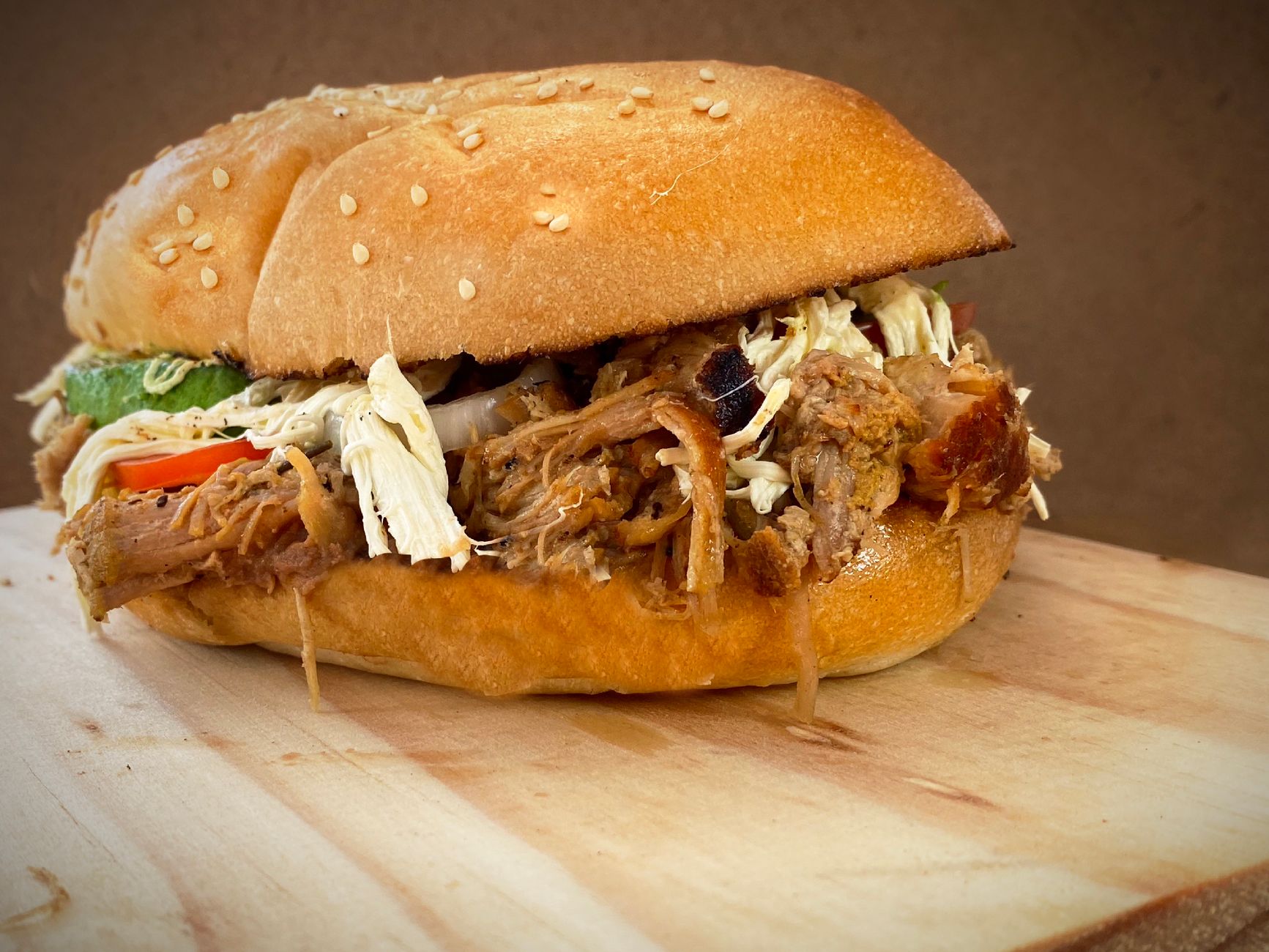
A torta is a traditional Mexican sandwich that holds a special place in the country’s culinary landscape. Known for its versatility, it can be filled with a variety of ingredients, making it a favorite for breakfast, lunch, or dinner. Tortas are usually served on a crusty bolillo or telera bread, which adds a delightful crunch and texture.
The origins of the torta can be traced back to various regions in Mexico, evolving into numerous regional variations. This article explores the definition of a torta, its uses, key ingredients, and tips for creating your own delicious masterpiece.
What Is a Torta in Mexican Food?
A torta is essentially a sandwich that is distinctly Mexican, featuring a variety of fillings such as meats, vegetables, and cheeses, all tucked between slices of bread. The sandwich is typically made with bolillo or telera bread, which has a crispy crust and fluffy interior.
Tortas can be simple or elaborate, and they are often served with sauces such as salsa or guacamole. The combinations of flavors and textures make tortas an exciting option for any meal.
Types of Tortas
Tortas can be classified into several categories, each with its unique ingredients and preparation methods. Some popular types include:
- Torta Ahogada: Originating from Guadalajara, this torta is drenched in a spicy tomato sauce, commonly filled with carnitas (shredded pork). It is known for its bold flavors and is often garnished with onions and avocado.
- Torta de Chorizo: Filled with spicy Mexican chorizo, this variety is often cooked with scrambled eggs, creating a hearty breakfast option.
- Torta de Pollo: This chicken torta is usually made with grilled or shredded chicken, avocado, and fresh toppings like lettuce and tomato.
- Torta de Jamón: A ham torta is a simple yet delightful option, often garnished with jalapeños, cheese, and mustard.
- Torta de Pescado: For seafood lovers, this torta consists of fried fish, often paired with fresh cabbage slaw and spicy mayo.
Key Ingredients in a Torta
The beauty of a torta lies in its adaptability. However, there are some key ingredients that are commonly found across most variations:
Bread
The bread used is crucial for creating an authentic torta. Generally, bolillo or telera bread is preferred. These types of bread are crusty on the outside and soft on the inside, making them perfect for holding various fillings. If you cannot find these types, any crusty bread can work as a substitute.
Fillings
The fillings are where creativity shines. Common fillings include:
- Grilled or shredded meat (pork, chicken, beef, or turkey)
- Chorizo or other sausages
- Seafood such as fried fish or shrimp
- Vegetables like avocado, jalapeños, and lettuce
- Creamy cheeses
Sauces
A good torta is often completed with flavorful sauces. Popular choices include:
- Guacamole
- Salsa (red or green)
- Chipotle mayo
- Fresh lime juice
How to Assemble a Torta
Assembling a torta is straightforward and can be done in just a few steps. Here is a guide to creating your own torta:
- Choose Your Bread: Select a bolillo or telera roll. Slice it in half horizontally but do not cut all the way through, leaving a hinge.
- Add Your Fillings: Layer your choice of meats or other ingredients on the bottom half of the bread. Be generous, as the fillings are the star of the show.
- Top with Vegetables: Add a layer of fresh vegetables for crunch and flavor. Avocado and jalapeños are common choices.
- Spread the Sauce: On the top half of the bread, spread your desired sauce or condiments.
- Close and Serve: Close the sandwich and press down gently to help meld the ingredients. Slice in half if desired.
Cooking Techniques for a Perfect Torta
While assembling a torta is simple, achieving a delightful flavor and texture requires some cooking techniques. Here are some useful methods:
Grilling or Toasting
Grilling or toasting the torta after assembly gives it a crispy exterior. You can use a grill, a panini press, or simply a skillet over medium heat for this. Brush the outside with butter or oil before grilling for enhanced flavor.
Creative Filling Techniques
For an added layer of flavor, consider marinating your meats before cooking. This can involve any combination of spices, citrus juice, and herbs. For instance, marinated grilled chicken can be enhanced with garlic and lime, resulting in a tastier torta.
Freshness Counts
Using fresh ingredients is key for an outstanding torta. The crunch of fresh lettuce, the creaminess of ripe avocados, and bright tomatoes greatly enhance the overall experience.
Common Mistakes and Troubleshooting
Creating a delicious torta may seem easy, but certain common mistakes can occur. Here are some tips to avoid those pitfalls:
- Choosing the Wrong Bread: Avoid soft sandwich bread, as it won’t hold up to the fillings. Stick to crusty rolls.
- Overfilling: While it’s tempting to pile on ingredients, overfilling may lead to a soggy torta. Balance is key.
- Skipping the Sauce: A torta without sauce can taste bland. Ensure you add a flavorful sauce to elevate your sandwich.
- Not Toasting: Don’t skip the grilling phase. A toasted exterior adds a satisfying crunch.
Substitutions and Variations
Tortas are highly adaptable. Here are some ingredient substitutions and variations you may consider:
- Meats: You can use plant-based options like grilled mushrooms or marinated tofu for a vegetarian torta.
- Cheese: Use queso fresco instead of other cheeses for a lighter flavor. Other options include pepper jack for a spicy kick.
- Sauces: Swap guacamole for hummus for a different flavor profile while keeping it creamy.
Storage and Reheating
Tortas are best enjoyed fresh, but you may have leftovers. Here’s how to store and reheat them:
- Storage: Wrap any leftover torta tightly in foil or plastic wrap and refrigerate for up to 2 days. Avoid freezing, as the bread may become soggy upon thawing.
- Reheating: To reheat, place the torta in a skillet over medium heat for about 5 minutes, flipping halfway. This method maintains the bread’s crispiness.
Serving Suggestions
A torta pairs wonderfully with various sides and drinks. Consider these suggestions for a complete meal:
- Sides: Serve with a side of chips, fresh salsa, or a light salad.
- Drinks: Pair with agua fresca, horchata, or a cold Mexican beer.
Regional Variations
As mentioned earlier, tortas can vary greatly from region to region in Mexico. Here are some notable examples:
- Torta de Barbacoa: Popular in central Mexico, this torta typically features slow-cooked lamb or beef, offering rich flavors.
- Torta de Birria: Originating from Jalisco, this torta is made with birria (a flavorful stew made with goat or beef) served on soft bread.
- Torta de Jaiba: In coastal regions, crab meat is often used, seasoned with spices and paired with fresh veggies.
The regional variations highlight how local ingredients influence cooking styles and flavors across Mexico, making the torta a truly diverse dish.
Conclusion
A torta is not just a sandwich; it’s a delicious canvas for culinary creativity. With endless fillings, sauces, and variations, it’s a versatile dish that can be enjoyed by everyone. Whether you’re making it for breakfast, lunch, or dinner, experimenting with different ingredients can lead to delightful outcomes.
If you’re looking for an exciting meal idea, explore the flavorful world of Mexican food beyond tortas. Check out our guides on making flautas and indulging in a sweet treat with Mexican candy shots.