
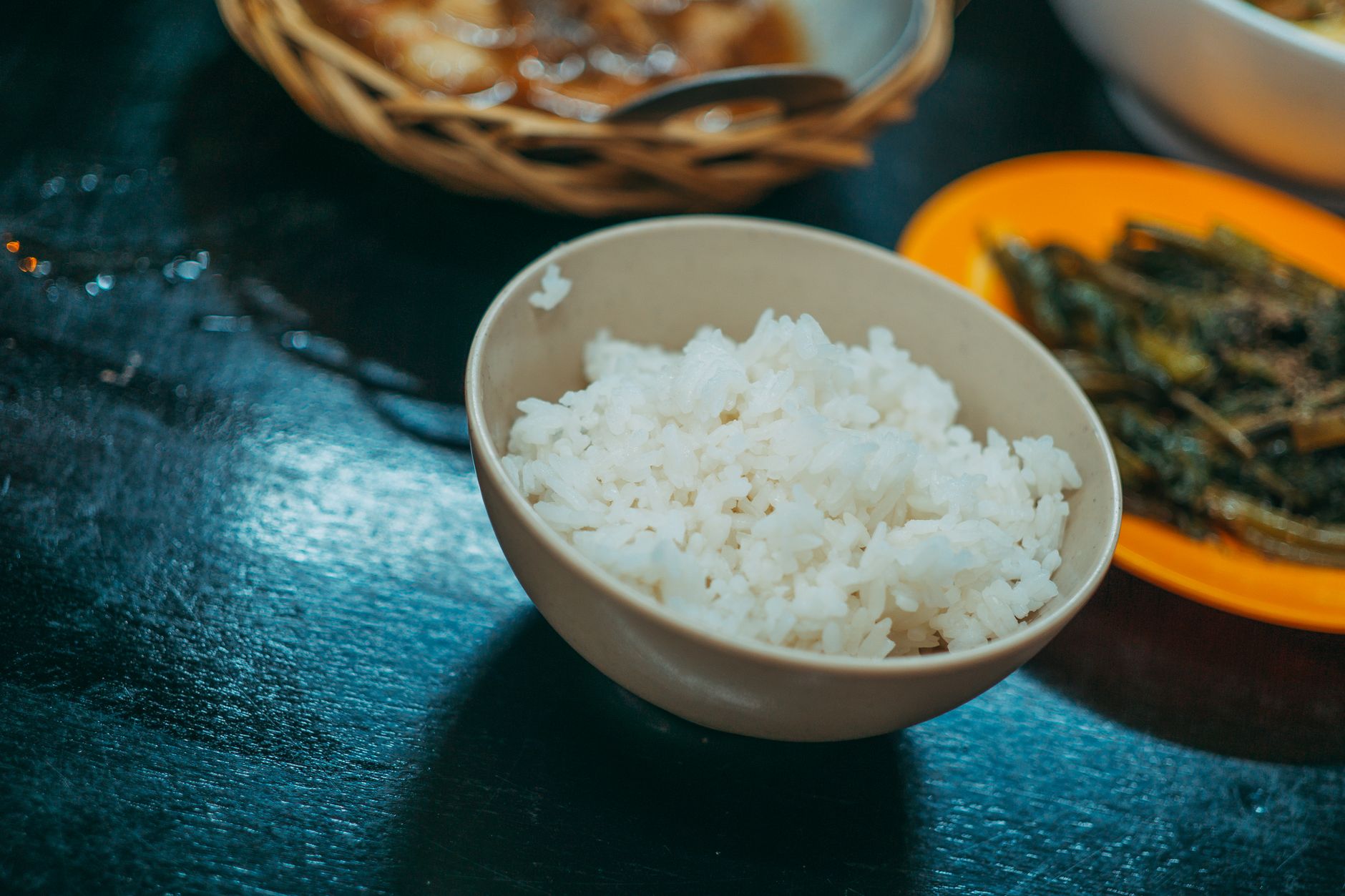
Cooked white rice is a versatile ingredient that can serve as a base for many dishes or even stand alone as a side. However, what do you do with leftover rice? Many people wonder: can you freeze cooked white rice? The good news is that you absolutely can. Freezing cooked white rice preserves its flavor, texture, and nutritional value for future use.
This article will guide you on how to properly freeze and thaw cooked white rice. You’ll also find some tips on storage, reheating, and meal planning, ensuring that your rice remains delicious and convenient whenever you need it.
Can You Freeze Cooked White Rice?
Yes, you can freeze cooked white rice. Freezing helps extend its shelf life while maintaining its quality. When done correctly, your cooked rice can stay fresh in the freezer for up to six months without significant loss in flavor or texture.
Why Freeze Cooked White Rice?
Freezing cooked white rice is an excellent way to reduce food waste and save time in the kitchen. Here are some reasons why you may want to freeze it:
- Meal Prep: Cooking rice in bulk and freezing it allows for quick meal preparation. You can reheat small portions as needed.
- Convenient Side Dish: Having frozen rice at your disposal makes it easy to create quick lunches or dinners without extra cooking time.
- Reduce Waste: If you find yourself with leftover rice, freezing prevents it from going bad, saving you money in the long run.
How to Freeze Cooked White Rice
Freezing cooked white rice is a straightforward process, but it’s essential to do it properly to maintain its quality. Follow these steps:
- Cool the Rice: Allow the cooked rice to cool completely at room temperature. This helps prevent condensation that can lead to freezer burn.
- Portion It Out: Depending on your needs, divide the rice into manageable portions suitable for future meals. Using meal prep containers or freezer bags works well.
- Seal Properly: If using freezer bags, remove as much air as possible before sealing. For airtight containers, ensure the lid is tightly closed to prevent moisture from entering.
- Label and Date: Mark each bag or container with the date and portion size to keep track of what you have and when it was frozen.
- Freeze: Place the containers in the freezer. For best results, ensure your freezer is at zero degrees Fahrenheit (-18 degrees Celsius) or colder.
Thawing and Reheating Frozen Cooked White Rice
To enjoy your frozen cooked white rice, you’ll need to thaw and reheat it properly. Here are several methods to do so:
In the Refrigerator
The best method to thaw frozen rice is to transfer it to the refrigerator and let it sit overnight. This method allows for a gradual thaw and keeps the rice at a safe temperature.
In the Microwave
If you’re short on time, the microwave can quickly thaw and reheat the rice:
- Remove the rice from its packaging and place it in a microwave-safe bowl.
- Add a splash of water to help steam the rice as it reheats.
- Cover the bowl with a microwave-safe lid or plastic wrap.
- Heat in the microwave on medium power for 2-3 minutes, stirring halfway through until it is heated through.
On the Stove
You can also reheat rice on the stovetop, which works well if you want to incorporate it into another dish:
- Place the frozen rice in a pot.
- Add a small amount of water or broth to the pot.
- Cover and heat over low to medium heat, stirring occasionally until warmed through, about 5-10 minutes.
Tips for Storing Cooked White Rice
To ensure your frozen cooked rice maintains its texture and flavor, consider these tips:
- Use High-Quality Freezer Bags: Invest in good-quality freezer bags or vacuum-sealed containers to prevent freezer burn.
- Avoid Overcooking: Overcooked rice can result in a mushy texture upon reheating. Aim for perfectly cooked rice before freezing.
- Use Quickly: For the best flavor and texture, consume frozen rice within three to six months.
Common Mistakes When Freezing and Reheating Rice
Even with the best intentions, mistakes can happen when freezing and reheating cooked rice. Here are common errors to avoid:
- Not Cooling Rice: Failing to let the rice cool before freezing can lead to condensation and freezer burn.
- Using Airy Packaging: Leaving too much air in bags can cause freezer burn, compromising the rice’s quality.
- Ignoring Safe Thawing Practices: Avoid thawing rice at room temperature or in warm water, as this can promote bacterial growth.
Serving Suggestions for Cooked White Rice
Cooked white rice is not only a staple side dish but also a versatile ingredient in many recipes. Here are some serving suggestions:
- Stir-Fry: Use re-heated rice as a base for stir-fry dishes, mixing in vegetables and proteins of your choice.
- Rice Bowls: Create rice bowls topped with proteins (like chicken or tofu) and sauces for a quick meal.
- Soups: Add cooked rice to soups or stews for added heartiness and texture.
Meal Planning with Frozen Cooked Rice
Freezing cooked white rice can streamline your meal prep, helping you save both time and effort during busy weekdays. Here are tips for effective meal planning:
- Simplify Recipes: Plan recipes that can be easily made with frozen rice, reducing cooking times.
- Batch Cooking: Cook and freeze large quantities during the weekend to have quick, easy meals during the week.
- Mix and Match: Pair frozen rice with different proteins and vegetables each week for variety without much extra work.
Conclusion
Freezing cooked white rice can be a practical solution for managing leftovers while making meal preparation quicker and more convenient. By following the proper techniques for freezing, thawing, and reheating, you can enjoy delicious rice dishes any time without loss of quality.
For more tips on cooking and food storage, feel free to explore our guides on freezing cooked chicken and how long cooked chicken lasts. These resources can help you make the most out of your kitchen endeavors.