
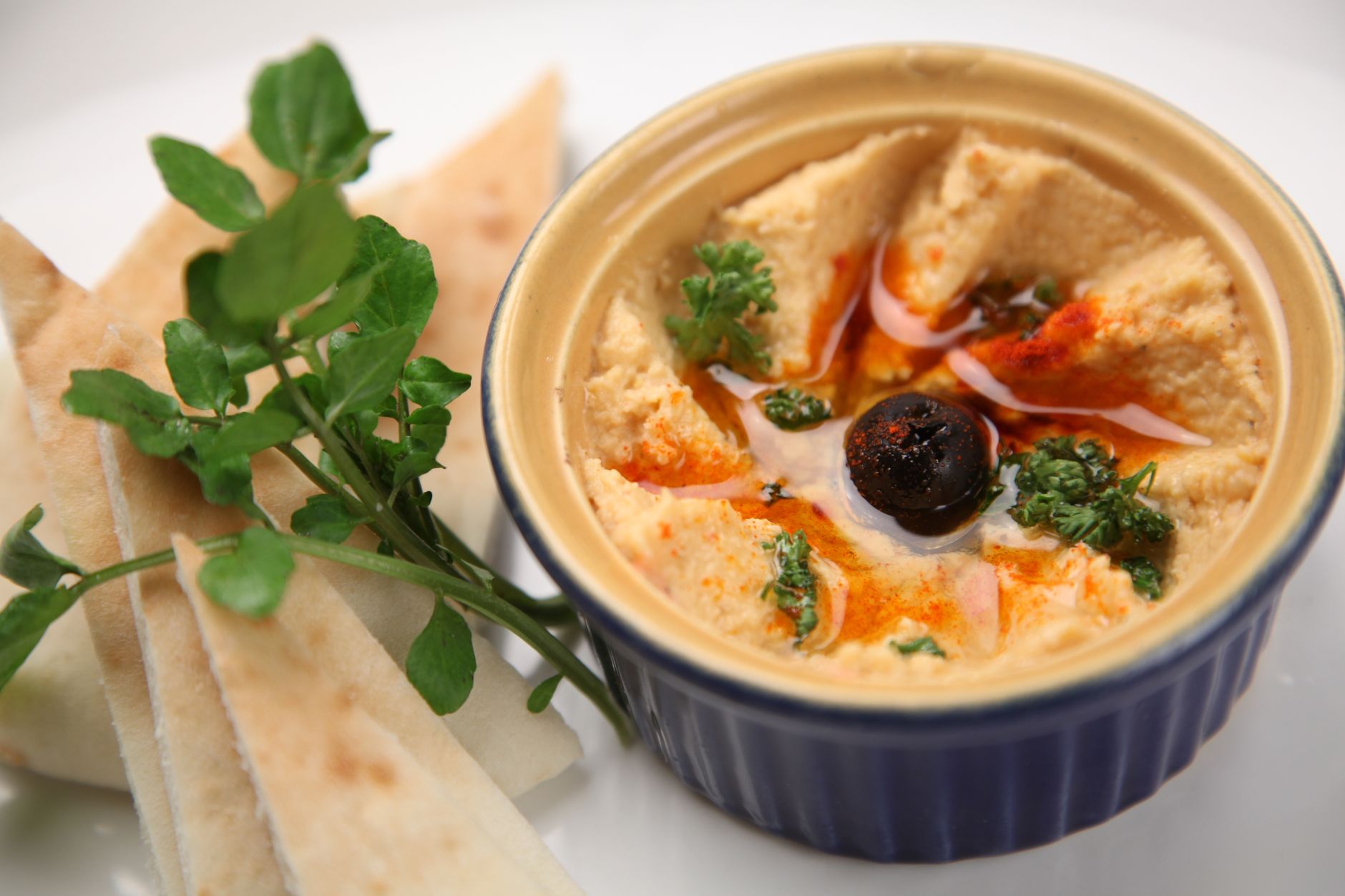
Hummus, a beloved Middle Eastern spread, has gained popularity worldwide for its creamy texture and rich flavor. Made primarily from chickpeas, tahini, olive oil, garlic, and lemon juice, hummus is often enjoyed as a dip, spread, or ingredient in various dishes. But many wonder, is hummus high in protein? This article delves into its nutritional benefits and how it can fit into your diet.
Understanding the protein content of hummus is essential for those looking to increase their protein intake, whether for energy, muscle repair, or overall health. Let’s explore the nutritional profile of hummus, its serving sizes, and how it stacks up against other protein sources.
Is Hummus High in Protein?
Yes, hummus is relatively high in protein compared to many other dips and spreads. A typical serving of hummus (about 2 tablespoons or 30 grams) contains approximately 2 to 3 grams of protein. While it’s not as protein-dense as animal sources like meat, fish, or dairy, it offers a plant-based protein that can be an excellent addition to a balanced diet, especially for vegetarians or vegans.
Nutritional Profile of Hummus
To fully appreciate hummus as a protein source, let’s break down its nutritional components. The chart below provides a general look at the nutrition in a typical store-bought hummus per 100 grams.
| Nutrient | Amount per 100g |
|---|---|
| Calories | 166 |
| Protein | 8g |
| Fat | 10g |
| Carbohydrates | 14g |
| Fiber | 6g |
| Sugar | 0.8g |
| Sodium | 360mg |
Main Ingredients of Hummus
The primary ingredients in hummus contribute not only to its protein content but also to other nutritional benefits:
- Chickpeas: Also known as garbanzo beans, chickpeas are the foundation of hummus. They are an excellent source of plant-based protein and fiber, which can aid digestion and help maintain a healthy weight.
- Tahini: Made from ground sesame seeds, tahini is rich in healthy fats and adds creaminess to hummus. It also provides additional protein, contributing to the overall protein content.
- Olive Oil: Adding healthy monounsaturated fats, olive oil can enhance the flavor and texture of hummus while providing anti-inflammatory properties.
- Garlic: Known for its numerous health benefits, garlic adds flavor and potential immune-boosting properties.
- Lemon Juice: This ingredient adds acidity and brightness to the dish while providing vitamin C.
Comparing Hummus to Other Protein Sources
In comparison to animal proteins, hummus contains less protein per serving. However, it can be an excellent complement to other sources in a balanced diet. Here is a comparison of various food items and their protein content:
| Food | Protein per 100g |
|---|---|
| Chicken Breast (cooked) | 31g |
| Tofu | 8g |
| Peanut Butter | 25g |
| Greek Yogurt | 10g |
| Hummus | 8g |
While hummus has a similar protein content to tofu and Greek yogurt, it is important to consume a variety of protein sources to ensure adequate intake of all essential amino acids.
How to Incorporate Hummus into Your Diet
Hummus is incredibly versatile and can be enjoyed in many ways. Here’s how you can add it to your meals for an extra protein boost:
- As a Dip: Serve hummus with fresh vegetables like carrots, cucumbers, and bell peppers for a nutritious snack.
- Spread: Use hummus as a spread on sandwiches, wraps, or toast instead of mayonnaise or butter for healthier fats and flavor.
- In Salads: Use hummus as a salad dressing by diluting it with a bit of lemon juice or water to create a creamy dressing.
- In Soups: Add a dollop of hummus to your favorite soup for added creaminess and protein.
- As a Base: Use hummus on pizza or flatbreads as a base instead of traditional sauce for a unique twist.
Homemade vs. Store-Bought Hummus
One of the most appealing aspects of hummus is its simplicity in preparation. While store-bought hummus is convenient, making your own allows for better control over ingredients and flavors. Homemade hummus can also be more cost-effective and personalized to your taste:
Basic Homemade Hummus Recipe
This quick recipe yields approximately 2 cups of hummus.
- 1 can (15 oz) chickpeas, drained and rinsed
- 1/4 cup tahini
- 2 tablespoons olive oil
- 1 clove garlic, minced
- 2 tablespoons lemon juice
- Salt to taste
- Water as needed for consistency
Instructions
- In a food processor, combine the chickpeas, tahini, olive oil, garlic, lemon juice, and salt.
- Process until smooth, adding water a tablespoon at a time to reach your desired consistency.
- Taste and adjust seasoning, adding more salt or lemon juice as necessary.
- Serve immediately drizzled with olive oil, or store in an airtight container in the refrigerator for up to one week.
Troubleshooting Homemade Hummus
Homemade hummus can sometimes be tricky. Here are some common issues and solutions:
- Hummus too thick: Add water, one tablespoon at a time, until reaching desired consistency.
- Hummus too bland: Adjust seasoning by adding more salt or lemon juice.
- Rough texture: Ensure all ingredients are blended until smooth. You can also peel the chickpeas for a creamier texture.
Protein Alternatives to Hummus
If you’re exploring various sources of plant-based protein or simply looking to diversify your snacks, consider these alternatives:
- Guacamole: Avocado-based and high in healthy fats, guacamole can be a nutritious dip.
- Bean Dips: Dips made from black beans or white beans offer similar protein content and flavor variations.
- Nut Butters: Almond butter, peanut butter, or cashew butter provide protein along with healthy fats.
- Greek Yogurt: High in protein and can serve as a dip enhanced with herbs and spices.
Potential Health Benefits of Hummus
While hummus is not solely a protein source, it offers various health benefits through its ingredients:
- Heart Health: Olive oil and chickpeas can positively impact heart health due to their healthy fats and fiber content.
- Digestive Health: Rich in fiber, hummus may aid in digestion and help maintain regular bowel movements.
- Weight Management: Protein and fiber from chickpeas can help you feel fuller for longer, which may assist in weight control.
Storing and Freezing Hummus
Proper storage of hummus can extend its shelf life and preserve freshness. Here are some tips:
- Refrigeration: Store homemade or opened store-bought hummus in an airtight container in the refrigerator for up to one week.
- Freezing: Hummus can be frozen for up to four months. Portion it into small containers, leaving space for expansion, then thaw in the fridge before serving.
How Many Servings Should You Eat?
The recommended serving size of hummus is typically 2 tablespoons, which contains about 2 to 3 grams of protein. Depending on dietary needs and preferences, an individual might consume 1 to 4 servings of hummus per day. It pairs well with various foods, making it easy to include in your diet.
Conclusion
Hummus is indeed high in protein compared to many dips, and its versatility makes it a protein-rich addition to a range of meals and snacks. With a robust nutritional profile, homemade options, and various ways to enjoy it, hummus can be a delicious part of a balanced diet. Consider experimenting with different flavors and recipes to discover how this nutritious spread can fit into your health goals.
For those who want to try making hummus themselves, check out our recipe without tahini. Additionally, if you are exploring other healthy snacks, you may enjoy our chia pudding recipe with coconut milk for a delightful treat.