
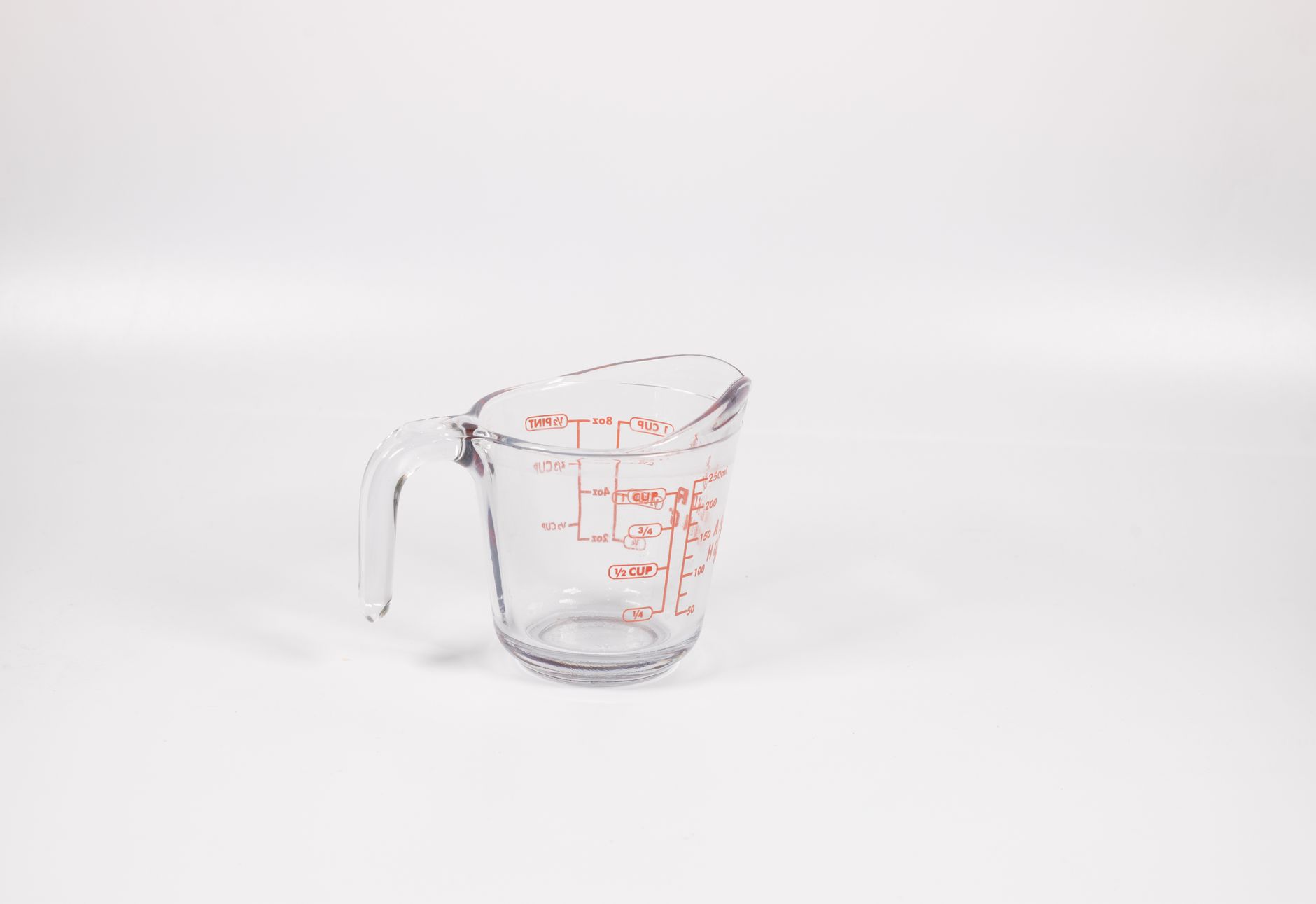
Understanding measurement conversions is crucial for any home cook or baker. When a recipe calls for one cup of an ingredient, it’s vital to know how that translates into ounces, particularly if you are used to a different measuring system. In this article, we’ll explore the conversion of cups to ounces, offer practical measuring tips, and suggest strategies for maintaining accuracy in the kitchen.
Not only will we cover the simple conversion of one cup to ounces, but we’ll also delve into practical applications, ingredient variations, and how to avoid common measuring mistakes to ensure your culinary endeavors are successful.
One Cup Is How Many Oz?
One cup is equivalent to 8 fluid ounces (oz). This measurement is essential for precise cooking and baking, as using the correct amount of each ingredient can significantly affect the outcome of your dish.
Understanding Fluid Ounces vs. Ounces
It’s important to differentiate between fluid ounces and ounces, as they represent different measurements. Fluid ounces are used for measuring volume (liquids), while ounces are used for weight (solids). Therefore, when you see a recipe calling for an ounce of an ingredient that is a solid, the weight may not directly convert to fluid ounces. Below is a brief overview of both measurements:
- Fluid Ounces: Measure the volume of liquid ingredients.
- Ounces (Weight): Measure the weight of dry ingredients or solids.
The Importance of Accurate Measurements
Accurate measurements are especially critical in baking and cooking, where the proportions of ingredients lead to specific chemical reactions. For example, the amount of flour can influence the texture of cakes, cookies, and bread. Hence, understanding the conversion from cups to ounces is vital to achieving your desired results.
Basic Measurement Conversions
Below are common conversions to help you understand how many ounces are in various measurements:
- 1 cup = 8 fluid ounces
- ½ cup = 4 fluid ounces
- ⅓ cup = approximately 2.67 fluid ounces
- ¼ cup = 2 fluid ounces
- 1 tablespoon = 0.5 fluid ounces
- 1 teaspoon = approximately 0.17 fluid ounces
Practical Measuring Tips
Measuring accurately can make a significant difference in your cooking and baking processes. Here are some practical tips to help you measure effectively:
Invest in Good Measuring Tools
Use measuring cups for dry ingredients and liquid measuring cups for liquids. Dry measuring cups have a flat rim for leveling off ingredients, while liquid measuring cups have a spout for easy pouring. Consider also having a kitchen scale for weighing ingredients when necessary.
Know How to Properly Fill Measuring Cups
For dry ingredients like flour or sugar, fluff the ingredient with a spoon before scooping it into the measuring cup. This reduces the chance of packing, which can lead to too much of the ingredient being used. Level off the top with a straight edge to ensure an accurate measurement.
For Liquid Ingredients
When measuring liquids, pour into a liquid measuring cup and check the measurement at eye level. This ensures that you are getting the correct volume, as tilting the cup can lead to inaccuracies.
Common Mistakes in Measuring
Everyone makes mistakes in the kitchen, but understanding common pitfalls can help reduce errors. Here are a few to watch out for:
- Packing Ingredients: Don’t pack ingredients like brown sugar or flour unless the recipe specifically says to do so.
- Overfilling Cups: Avoid heaping cups when measuring; always level off with a knife or spatula.
- Not Using the Right Tools: Ensure that you are using liquid measuring cups for liquids and dry measuring cups for solids.
- Ignoring Weight Measurements: For some recipes, it is more precise to weigh ingredients rather than relying solely on volume.
Ingredient-Specific Conversions
Different ingredients can vary significantly in weight and density. For example, one cup of flour weighs differently than one cup of sugar. Here, we’ll take a closer look at some common ingredients and their approximate conversions from cups to ounces.
| Ingredient | 1 Cup Weight (Ounces) |
|---|---|
| All-Purpose Flour | 4.25 oz |
| Granulated Sugar | 7 oz |
| Brown Sugar (packed) | 7.5 oz |
| Butter | 8 oz |
| Agranulated Sugar | 7 oz |
| Honey | 12 oz |
These weights can vary slightly depending on how the ingredient is packed, humidity, and other factors, but they serve as a reliable guide for most recipes.
Using Ounces in Cooking and Baking
While many recipes will provide measurements in cups, it is not uncommon to encounter recipes that use ounces, particularly in professional cooking and baking. Understanding how to switch between these two measuring systems can enhance your culinary skills.
When to Use Ounces
Ounces are particularly useful when baking, as precise measurements can greatly affect the outcome. These measurements are also helpful for portion control in meal planning and dietary management.
How to Convert Cups to Ounces
When converting cups to ounces, simply multiply the number of cups by 8 to get the fluid ounces. For example:
- 2 cups x 8 = 16 fluid ounces
- ½ cup x 8 = 4 fluid ounces
Common Recipe Adjustments and Substitutions
When preparing recipes, you may find yourself needing to adjust quantities based on the number of servings or ingredient availability. Here are some common substitutions and their conversions:
Substituting Ingredients
- For 1 cup of all-purpose flour, you can substitute 1 cup of whole wheat flour, but expect a denser texture.
- If a recipe calls for 1 cup of sugar, you may use ¾ cup of honey, but reduce liquid by ¼ cup.
- 1 cup of butter can be replaced with ¾ cup of margarine.
Measuring Increments
When scaling recipes, remember that some measurements do not convert evenly. Below are common measures adjusted into ounces:
- 1/3 cup = 2.67 fluid ounces
- 1/4 cup = 2 fluid ounces
It’s essential to apply a consistent strategy for measurement in your cooking to maintain flavor and texture balance.
Meal Planning with Exact Measurements
Accurate measurements are essential not just in individual recipes but also when meal planning. This ensures you have the right quantities on hand and can prepare dishes efficiently. Here are some tips:
Batch Cooking
Consider preparing larger batches of staples like grains or sauces by measuring out precise quantities. Knowing that 1 cup equals 8 ounces helps when filling storage containers.
Portion Control
Using ounces allows for better portion control. Measure protein portions (like chicken or fish) in ounces to ensure balanced meals, which is especially useful when planning diets or calorie counts.
Storing Ingredients Properly
How you store your ingredients can also affect their weight and volume. Here are some storage tips:
Dry Ingredients
Keep your dry ingredients in airtight containers to prevent moisture absorption, which can lead to clumping and affect measurements. Label all containers with their contents and the date stored for reference.
Liquid Ingredients
Store liquids in a cool, dark place to maintain their integrity. Be sure to check for expiration dates, particularly with oils and liquid sweeteners.
Resources for Further Learning
Understanding measurements can be complex, but there are many resources to help you refine your skills:
- Measurement Conversion Charts: Handy charts can assist in remembering common conversions.
- Cooking Classes: Many local culinary schools offer classes, both in-person and online, covering basic cooking techniques, which often include accurate measuring.
- Online Cooking Blogs: There are many reputable food blogs that share tips on ingredient measurements, substitutions, and cooking techniques.
Final Thoughts on Measuring Ingredients
Accurate measurement is a vital skill in the kitchen that enhances the quality of your cooking and baking. Remember, one cup translates to 8 fluid ounces, and maintaining precision is key. By utilizing the right tools, following proper methods, and understanding the differences between weight and volume, your culinary creations will be more consistent and enjoyable.
If you want to learn more about cooking techniques or ingredient measurements, check out our guides on how to measure water for rice at how many cups of water for 1 cup of rice or how long to soak chia seeds at how long should chia seeds soak. Happy cooking!