
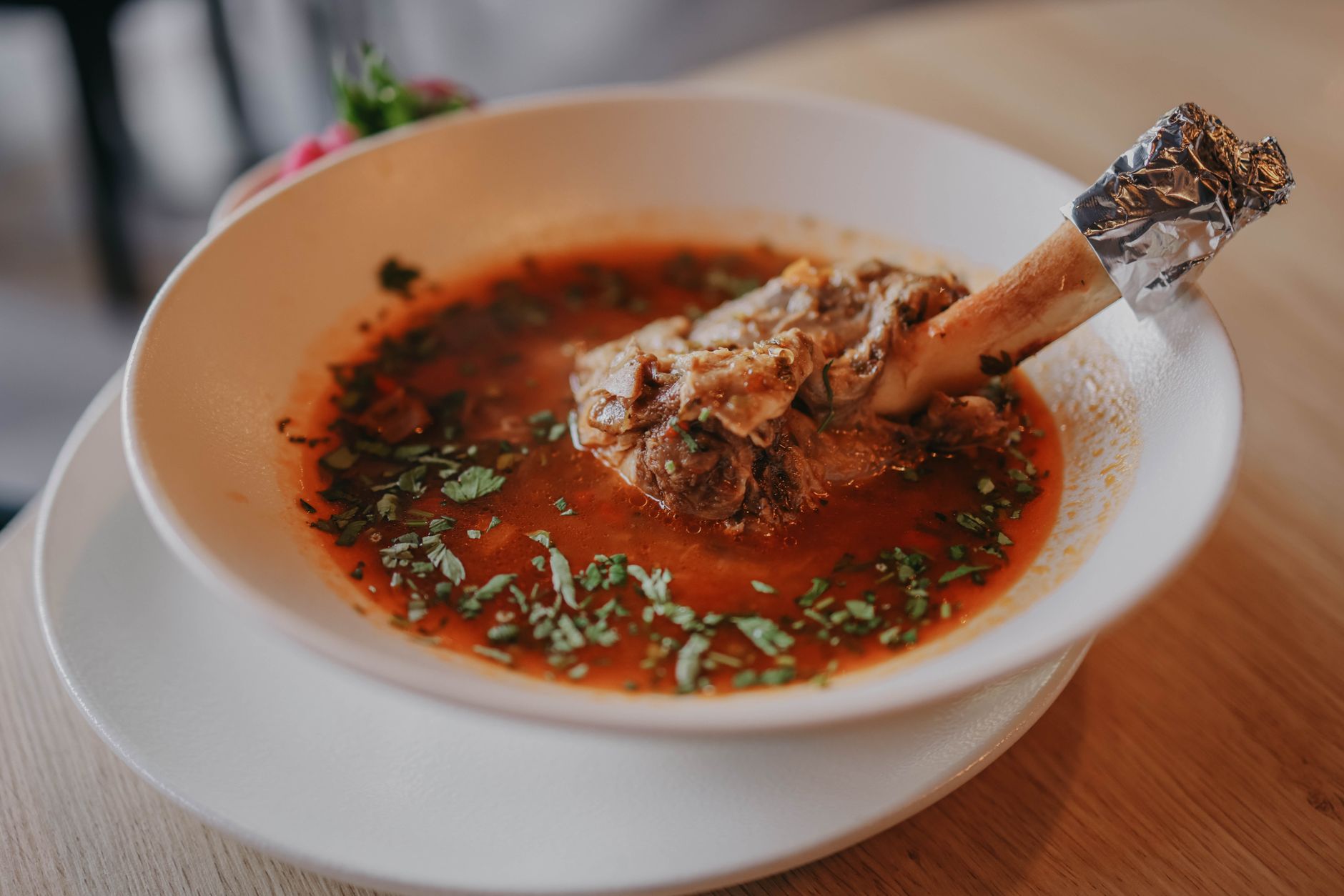
Bone broth has gained considerable popularity for its rich flavor and potential health benefits. Making a large batch can provide numerous servings, often leading to the question, how long is bone broth good after opening? Understanding the proper storage and shelf life ensures you maximize the use of this nourishing ingredient.
This article will explore the signs of spoilage, storage methods, and tips for extending the life of bone broth after it’s been opened. Whether you buy bone broth or prepare it at home, knowing how to handle it safely is essential for a delightful culinary experience.
How Long Is Bone Broth Good After Opening?
Once opened, bone broth can typically last 4 to 5 days in the refrigerator if stored correctly. However, the exact shelf life can depend on various factors, including the specific ingredients used, initial freshness, and storage conditions.
Understanding Bone Broth
Bone broth is made by simmering bones, often with meat still attached, vegetables, and spices in water for an extended period. The result is a nutrient-rich liquid packed with flavor and health benefits. It can be enjoyed as a warming beverage, used as a base for soups, risottos, or gravies, or simply incorporated into various dishes for added depth.
Due to its versatility and nutritional value, knowing how to store bone broth properly is crucial to prevent spoilage and waste.
Signs That Bone Broth Has Spoiled
Even if the broth is within the estimated storage timeframe, it’s always essential to take precautions and check it for signs of spoilage. Here are some key indicators:
- Off Odor: Fresh bone broth should smell rich and savory. If it emits a sour or spoiled smell, it’s best to discard it.
- Visual Changes: Look for any discoloration or unusual cloudiness. While bone broth may naturally have some sediment, drastic changes could signify spoilage.
- Mold Growth: If you see mold on the surface, even in small amounts, discard the broth immediately.
- Off Taste: A taste test can be revealing. If it tastes sour or significantly different from its original flavor, do not consume.
Proper Storage Methods
Storing bone broth properly will greatly extend its life. Here are some effective methods for storing bone broth after opening:
Refrigeration
The easiest method to store opened bone broth is in the refrigerator:
- Transfer the opened broth into a clean, airtight container if it isn’t already.
- Ensure the container is sealed tightly to prevent air exposure, which can lead to spoilage.
- Label the container with the date it was opened to keep track of its freshness.
- Store it in the coldest part of the refrigerator, typically towards the back, where the temperature is most consistent.
Freezing
If you can’t consume the broth within the recommended timeframe, consider freezing it for longer storage:
- Use freezer-safe containers or heavy-duty freezer bags that can withstand low temperatures.
- Leave some space in the container or bag because liquids expand when frozen.
- Label the containers with the date they were frozen for better tracking.
- For convenience, you can also freeze the broth in ice cube trays. Once frozen, transfer the cubes to a resealable bag for easy portioning.
How Long Does Frozen Bone Broth Last?
When frozen properly, bone broth can last for up to 6 months in the freezer. It will remain safe beyond this timeframe, but the quality may diminish over time. To ensure the best flavor and nutritional value, try to consume it within this period.
Thawing and Reheating Bone Broth
When you’re ready to use frozen bone broth, proper thawing methods are important:
Thawing
The best way to thaw bone broth is in the refrigerator. This slow method helps retain its flavor and prevents the growth of harmful bacteria:
- The night before you plan to use the broth, take it out of the freezer and move it to the refrigerator.
- Allow it to thaw completely, which can take several hours or overnight.
If you need to thaw it quickly, you can use the microwave, but make sure to do so in short increments to avoid heating it unevenly or altering its texture.
Reheating
When reheating bone broth, a gentle method is best to preserve its flavor and nutritional properties:
- Pour the thawed broth into a pot.
- Heat it over medium-low heat on the stovetop, constantly stirring to warm it evenly.
- Avoid boiling, as high temperatures may break down the proteins and fats, altering the texture.
- Once heated to a simmer, it is ready to enjoy or use in your recipes.
Common Mistakes to Avoid
When handling bone broth, there are several common mistakes to watch out for:
- Storing in Non-Airtight Containers: Always use airtight containers to prevent oxidation and moisture from causing spoilage.
- Ignoring Expiration Dates: Keep track of when you opened the broth or how long it has been frozen. Do not rely solely on appearance or smell.
- Not Cooling Properly: If you are cooling homemade broth to store, make sure to let it cool at room temperature before refrigerating. Rapid cooling can create ideal conditions for bacterial growth.
Benefits of Bone Broth
Beyond its rich flavor profile, bone broth is touted for various potential health benefits:
- Rich in Nutrients: Bone broth contains collagen, amino acids, and minerals, which are beneficial for skin health, joint integrity, and gut health.
- Hydration: As a liquid, it provides hydration, which is essential for overall wellness.
- Versatility: Bone broth can be used as a base for many dishes, enhancing flavor while contributing nutritional value.
Why Choose Homemade Bone Broth?
Making bone broth at home allows for greater control over the ingredients and flavor. Here are some key benefits:
- Quality Control: You can source high-quality bones from grass-fed or pasture-raised animals, ensuring the best nutrients.
- Customization: Adjust the flavors to suit personal preference by adding herbs, spices, and vegetables.
- Cost-Effective: Making broth can be more economical than purchasing pre-packaged varieties, especially if you use leftover bones and scraps from other meals.
Storing Homemade Bone Broth
Homemade bone broth has similar storage guidelines to store-bought varieties:
- Let the broth cool completely before transferring it to storage containers.
- Use airtight jars or containers and label with the date made.
- Store in the fridge for up to 5 days or freeze for longer storage.
Conclusion
Understanding how long bone broth lasts after opening and how to store it properly can help you make the most of this nourishing ingredient. Keep an eye out for signs of spoilage, and utilize refrigeration or freezing for longer shelf life. Whether you enjoy it straight or incorporate it into delightful dishes, following these storage tips will ensure great flavor and quality in every spoonful.
For more insights on food storage and options, check out how long cottage cheese lasts after opening and explore the protein content in bone broth. Happy cooking!