
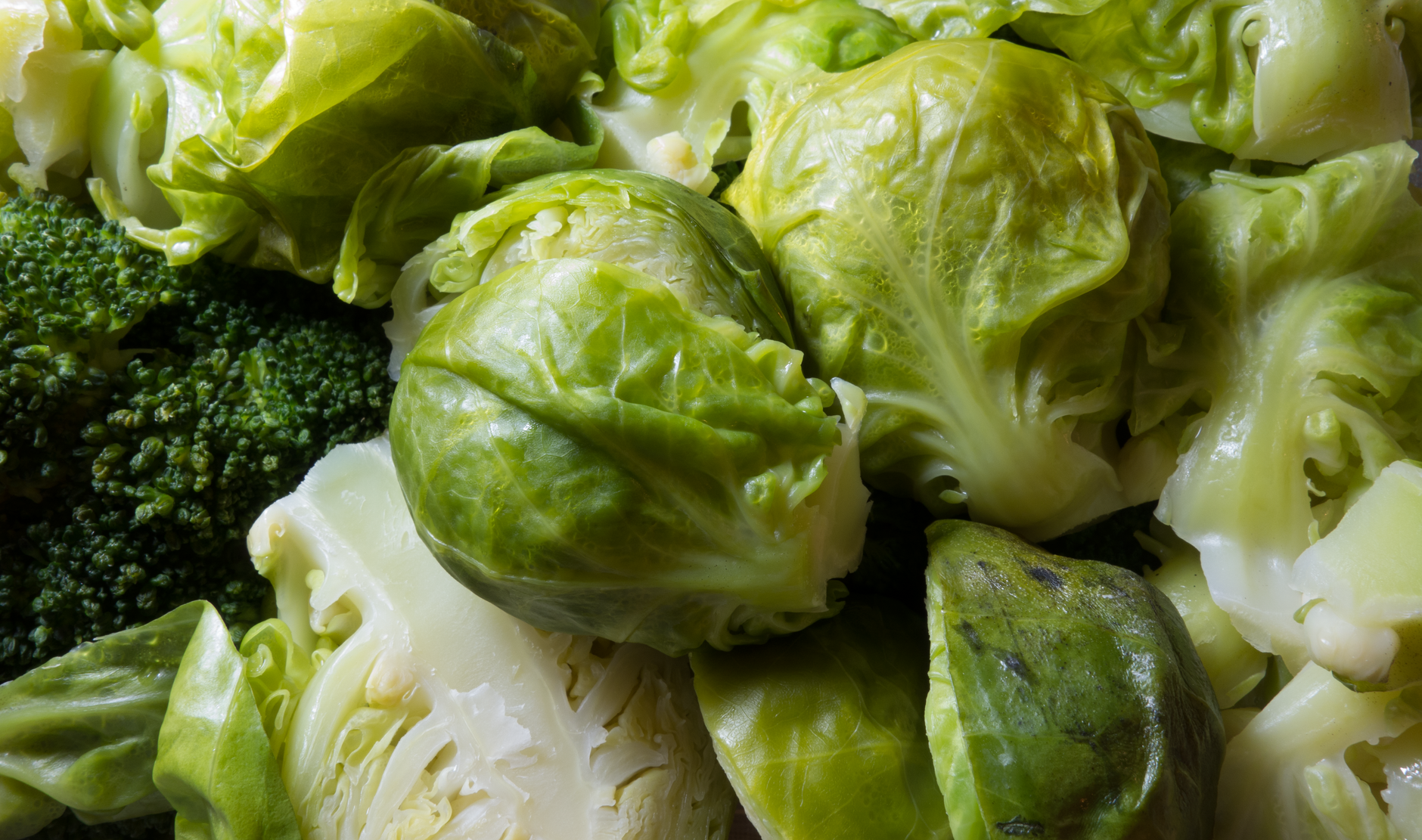
Brussels sprouts, those tiny green globes, are often met with mixed reactions, but their nutritional benefits and culinary versatility make them a unique vegetable worth exploring. Although a popular market item, the question arises: can Brussels sprouts grow in water? Understanding the cultivation methods for these vegetables can help home gardeners and enthusiasts appreciate them even more.
In this article, we will delve into the growth habits of Brussels sprouts, exploring their growing conditions, planting methods, and whether or not they can thrive in water. We’ll also discuss their culinary uses, nutritional benefits, and tips for preparation and storage.
Do Brussels Sprouts Grow in Water?
Brussels sprouts cannot grow in water alone like some leafy greens. They require soil for proper development and nutrition. However, they can be started in water for a short period to encourage rooting before transplanting into the soil. This technique is primarily used to propagate seedlings but is not suitable for growing the entire plant.
Understanding the Growth Environment of Brussels Sprouts
Brussels sprouts thrive in specific growing conditions that foster healthy development. Knowing these factors can help you cultivate this vegetable successfully in your home garden.
- Soil Type: Loose, well-drained soil enriched with organic material is ideal. Brussels sprouts prefer a pH of 6.0 to 7.0.
- Sunlight: They need full sun, which means at least 6 to 8 hours of direct sunlight daily.
- Watering: Consistent moisture is crucial, but avoid waterlogging. Regular watering helps support rapid growth.
- Temperature: Brussels sprouts prefer cooler temperatures, typically between 60°F to 70°F. They can tolerate light frost, which can improve their flavor.
Starting Brussels Sprouts in Water: A Temporary Technique
Although Brussels sprouts cannot grow entirely in water, they can be temporarily started in water just like some herbs or green onions. This process allows for germination before transferring them to the soil. Here’s how to do it:
- Purchase or harvest seeds: Obtain high-quality Brussels sprouts seeds.
- Prepare a small container: Fill it with enough water to cover the base of the seeds. Use a glass or jar for visibility.
- Place the seeds in the water: Allow the seeds to soak for a few hours, then put them in a sunny spot to promote sprouting.
- Transfer to soil: After a few days, once roots develop, plant the sprouts in nutrient-rich soil.
Planting Brussels Sprouts in Soil
For successful Brussels sprout cultivation, proper soil planting is vital. Follow these steps for effective soil planting:
- Timing: Start seeds indoors about 6 to 8 weeks before the last frost. When seedlings are around 2 to 4 inches tall, transplant them outdoors.
- Selecting the right location: Choose a sunny spot with rich, well-drained soil.
- Spacing: Plant seedlings 18 to 24 inches apart in rows that are 24 to 36 inches apart. This spacing allows room for the plants to grow and air to circulate, minimizing disease.
- Caring for the plants: Water regularly, especially during dry spells, and ensure plants are supported as they grow taller.
Harvesting Brussels Sprouts
Brussels sprouts typically take about 90 to 120 days to mature after planting. The best time to harvest is when the sprouts are firm and about the size of a marble. Here are some tips for harvesting:
- Start from the bottom of the plant and work your way up, removing the sprouts as they reach maturity.
- Harvest in the morning when the sprouts are firm and crisp.
- Use a sharp knife or scissors to cut the sprouts off the stem.
Culinary Uses of Brussels Sprouts
Brussels sprouts are incredibly versatile in the kitchen. They can be cooked in various ways, adding a delightful flavor and texture to various dishes.
Here are some popular culinary uses:
- Roasting: Toss them with olive oil, salt, and pepper and roast at 400°F for 20-30 minutes for a deliciously caramelized flavor.
- Steaming: Cook Brussels sprouts over boiling water for 6-8 minutes until tender, retaining their vibrant color and nutrients.
- Sautéing: Sauté in a pan with garlic and butter for 5-7 minutes for a quick, flavorful side dish.
- Adding to salads: Shaved Brussels sprouts can serve as a crunchy base or topping in salads.
Popular Brussels Sprouts Recipe
Here’s a simple and delicious roasted Brussels sprouts recipe that highlights their natural flavors:
Yield: 4 servings
Prep Time: 10 minutes
Cooking Time: 25-30 minutes
Total Time: 35-40 minutes
Ingredients:
- 1 pound Brussels sprouts, trimmed and halved
- 3 tablespoons olive oil
- Salt and pepper to taste
- 2 cloves garlic, minced (optional)
- 1 tablespoon balsamic vinegar (optional)
Equipment Needed:
- Baking sheet
- Mixing bowl
- Sharp knife
- Oven
Instructions:
- Preheat the oven to 400°F (200°C).
- In a mixing bowl, combine the halved Brussels sprouts, olive oil, salt, and pepper. Add minced garlic and balsamic vinegar if desired.
- Spread the Brussels sprouts evenly on a baking sheet, cut side down for better caramelization.
- Roast in the oven for 25-30 minutes, stirring halfway through, until golden brown and tender.
- Serve warm as a delicious side dish.
Nutritional Benefits of Brussels Sprouts
Brussels sprouts are not just tasty; they are also packed with nutrients:
- Rich in Vitamins: A good source of vitamins C, K, and several B vitamins.
- High in Fiber: Beneficial for digestive health and can help maintain a healthy heart.
- Low in Calories: A great option for those seeking to manage their weight.
- Antioxidants: Contain various antioxidants which combat free radicals in the body.
Storing Brussels Sprouts
Proper storage can help maintain freshness and taste. Follow these storage tips:
- Store unwashed Brussels sprouts in a perforated plastic bag in the refrigerator. They can last up to a week.
- Avoid washing them before storage as moisture can lead to spoilage.
- Cooked Brussels sprouts can be stored in an airtight container in the fridge for up to 3 days.
- If you have surplus sprouts, consider freezing them for longer storage. Blanch before freezing to maintain texture and flavor.
Brussels Sprouts and Dietary Preferences
Brussels sprouts are a versatile vegetable that can fit into various dietary plans:
- Vegan and Vegetarian: They serve as an excellent side dish or main ingredient in various vegan and vegetarian recipes.
- Gluten-Free: Brussels sprouts are naturally gluten-free, making them suitable for those with gluten sensitivity.
- Low-Carb: They can be incorporated into low-carb diets due to their low sugar content.
Common Mistakes When Cooking Brussels Sprouts
While cooking Brussels sprouts can be straightforward, avoiding common pitfalls is key to achieving the best results:
- Overcooking: This can lead to a sulfurous smell and undesirable mushiness. Aim for a tender-crisp texture.
- Improper cleaning: Always rinse and trim properly to avoid any bitterness or unpleasant texture.
- Neglecting seasoning: Don’t shy away from seasoning—salt, pepper, garlic, and acidic elements enhance their flavors immensely.
Conclusion
Brussels sprouts are an adaptable vegetable that thrives in rich soil and needs specific conditions for optimal growth. While they can be started in water for germination, they are not suitable for growing solely in water. Their unique flavor, nutritional benefits, and versatility in recipes make them a staple ingredient worth including in your meals.
To enhance your culinary experience, try making roasted Brussels sprouts or explore new ways to incorporate them into your diet. For delicious alternatives, check out our recipes for shaved Brussels sprouts or a comforting sautéed cabbage recipe.