
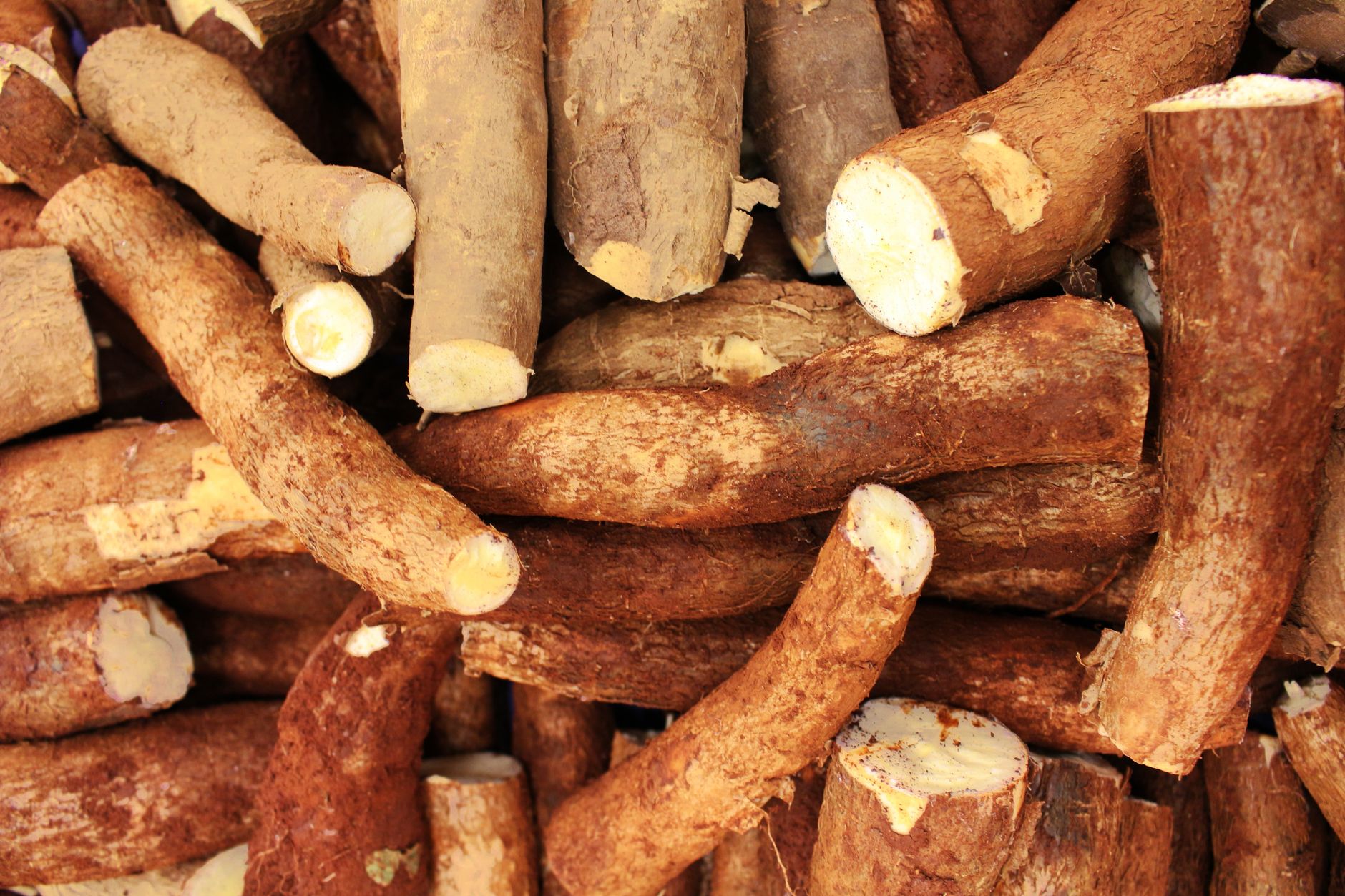
Cassava and yuca are terms that often create confusion, especially for those new to cooking or exploring different cuisines. Despite the differences in nomenclature and uses, they refer to the same starchy root vegetable, essential in various global culinary traditions. This article will delve into what cassava is, its culinary uses, preparation techniques, and serving suggestions to unlock the full potential of this versatile ingredient.
Whether you’re looking to explore new textures in your dishes or seeking a gluten-free alternative, understanding cassava, or yuca, can enhance your kitchen experience. We will cover its nutritional profile, various uses, and ideas for incorporating it into your meals.
Is Cassava Yuca?
Yes, cassava is commonly known as yuca in many parts of the world, particularly in Latin America. Cassava is a tuberous root vegetable native to South America but widely cultivated in Africa and Asia. While the terms can be used interchangeably, it’s essential to note that the word “yuca” can lead to confusion with “yucca,” a different plant altogether. Yuca is the edible root, whereas yucca refers to a hardy ornamental plant.
Nutritional Profile of Cassava
Cassava is primarily composed of carbohydrates, making it a significant energy source. Here’s a breakdown of its nutritional components per 100 grams of raw cassava:
| Nutrient | Amount |
|---|---|
| Calories | 160 kcal |
| Carbohydrates | 38 g |
| Protein | 1.4 g |
| Fat | 0.3 g |
| Fiber | 1.8 g |
| Vitamin C | 20 mg |
| Calcium | 16 mg |
| Iron | 0.5 mg |
Cassava is low in protein and fat but rich in carbohydrates, making it an excellent source of energy. It also contains some vitamins and minerals, particularly vitamin C and calcium.
Choosing and Preparing Cassava
Selecting fresh cassava is essential for the best flavor and texture. Here are tips for choosing and preparing cassava:
How to Choose Fresh Cassava
- Look for firm, unblemished roots. The skin should be smooth and brown rather than cracked or dry.
- Avoid cassava with soft spots, which can indicate spoilage.
- Store your cassava in a cool, dry place, free from moisture.
Preparing Cassava
Before cooking, cassava needs to be properly prepared as it contains cyanogenic compounds that can be toxic when raw. Here’s how to prepare cassava safely:
- Peel the cassava root with a sharp knife to remove the bitter skin.
- Once peeled, cut the cassava into chunks, discarding any woody or fibrous parts at the center.
- Soak the cassava pieces in water for a few hours or overnight to help reduce toxins further.
- Boil the cassava in fresh water for about 20-30 minutes or until tender. Ensure it is cooked thoroughly before consuming.
Cooking Techniques for Cassava
Cassava can be cooked in various ways to achieve different textures and flavors. Here are some popular cooking methods:
Boiling
This is one of the simplest methods to cook cassava. Boiled cassava has a soft, fluffy texture.
- Prepare the cassava as mentioned above by peeling, cutting, and soaking.
- Place the pieces in a pot and cover with water.
- Bring to a boil, then reduce the heat and simmer for 20-30 minutes until fork-tender.
- Drain and serve hot, possibly topped with a bit of butter or served as a side dish with herbs.
Frying
Fried cassava is crispy and delicious, often served as chips or patties.
- After boiling and draining, cut the cassava into thin slices or sticks.
- Heat oil in a deep skillet over medium heat.
- Fry the cassava until golden brown and crispy, about 4-5 minutes.
- Drain on paper towels and season with salt. Serve hot as a snack or with dips.
Baking
Baked cassava can be a great alternative for various dishes, such as cakes or gratins.
- Preheat your oven to 375°F (190°C).
- Boil and chop the cassava into small pieces or mash it.
- Combine with ingredients such as cheese, eggs, or spices to create a batter.
- Pour into a greased baking dish and bake for 30-40 minutes or until set and lightly browned.
Culinary Uses of Cassava
Cassava is a versatile ingredient used in various culinary applications worldwide. Here are some popular uses:
Making Flour
Cassava flour is made by drying and grinding the root, making it an excellent gluten-free alternative for baking. Use it for making pancakes, cookies, and bread. Below are some specific uses for cassava flour:
- **Pancakes**: Substitute cassava flour for all-purpose flour in pancake recipes.
- **Breads**: You can make gluten-free bread using cassava flour by combining it with other gluten-free flours.
- **Thickener**: As a natural thickener, cassava flour can replace cornstarch in sauces and gravies.
Making Tapioca Pearls
Cassava is the primary ingredient in tapioca, which is processed into pearls for various desserts. To use cassava for tapioca pearls:
- Grate boiled cassava and mix it with water and sugar for a dough-like consistency.
- Form small balls and boil them until they float. Use in bubble tea or puddings.
Side Dishes and Snacks
Often enjoyed in different cultures, cassava can be made into a variety of side dishes, snacks, or standalone meals.
- **Cassava Fries**: Similar to French fries, these can be seasoned with herbs and spices for extra flavor.
- **Fufu**: A popular dish in West Africa, made by boiling and then pounding cassava into a smooth, stretchy dough.
- **Cassava Cakes**: Sweet or savory cakes made by mixing mashed cassava with sugar, coconut, and various flavorings.
Common Mistakes When Cooking Cassava
When working with cassava, certain pitfalls can affect your dishes. Below are common mistakes to avoid:
- **Not peeling properly**: Make sure to remove the outer bark thoroughly to avoid toxins.
- **Insufficient cooking**: Always cook cassava thoroughly. Undercooked cassava can lead to stomach issues due to its inherent toxins.
- **Neglecting soaking**: Soaking cassava helps to remove some bitter flavors and reduce toxins.
Serving Ideas for Cassava
Cassava can be incredibly versatile, allowing for creative serving options. Here are some ideas to help you incorporate it into your meals:
As a Side Dish
Serve boiled or fried cassava alongside main dishes like grilled meats, stews, or vegetable dishes. Pair it with dipping sauces such as garlic aioli or spicy salsa.
As a Main Dish
Consider incorporating cassava into salads or grain bowls. Toss boiled cassava chunks with roasted vegetables, beans, and a light vinaigrette for a wholesome meal.
For Snacks
Cassava fries or chips can serve as an excellent snack or appetizer. Serve them with dips like guacamole, hummus, or salsa for a creative twist.
Storage and Reheating Cassava
Proper storage is essential for maintaining the freshness of cassava:
Storage
- **Raw Cassava**: Store unpeeled cassava in a cool, dry place for up to a week. Keep peeled cassava submerged in water in the refrigerator for a few days.
- **Cooked Cassava**: Refrigerate cooked cassava in an airtight container for 3-5 days.
Reheating Cassava
You can reheat boiled or fried cassava in a microwave, skillet, or oven until warmed through. If frying, a quick re-fry will help restore the crispness.
Final Thoughts on Cassava
Cassava, or yuca, is a versatile and nutritious food that can be a fantastic addition to your diet. From flour to snacks and savory dishes, its uses are extensive. With the right preparation and cooking methods, cassava can add unique flavors and textures to your meals.
As you explore the world of cassava, consider its dietary contributions and culinary applications. Whether you’re incorporating it into your baked goods or enjoying it fried, this tuber can be a nourishing component of your kitchen repertoire.
For more culinary inspiration, you might want to explore various baking techniques, discover different ingredients, or try out new recipes in your kitchen. There are countless ways to enhance your cooking skills and enjoy delicious meals!