
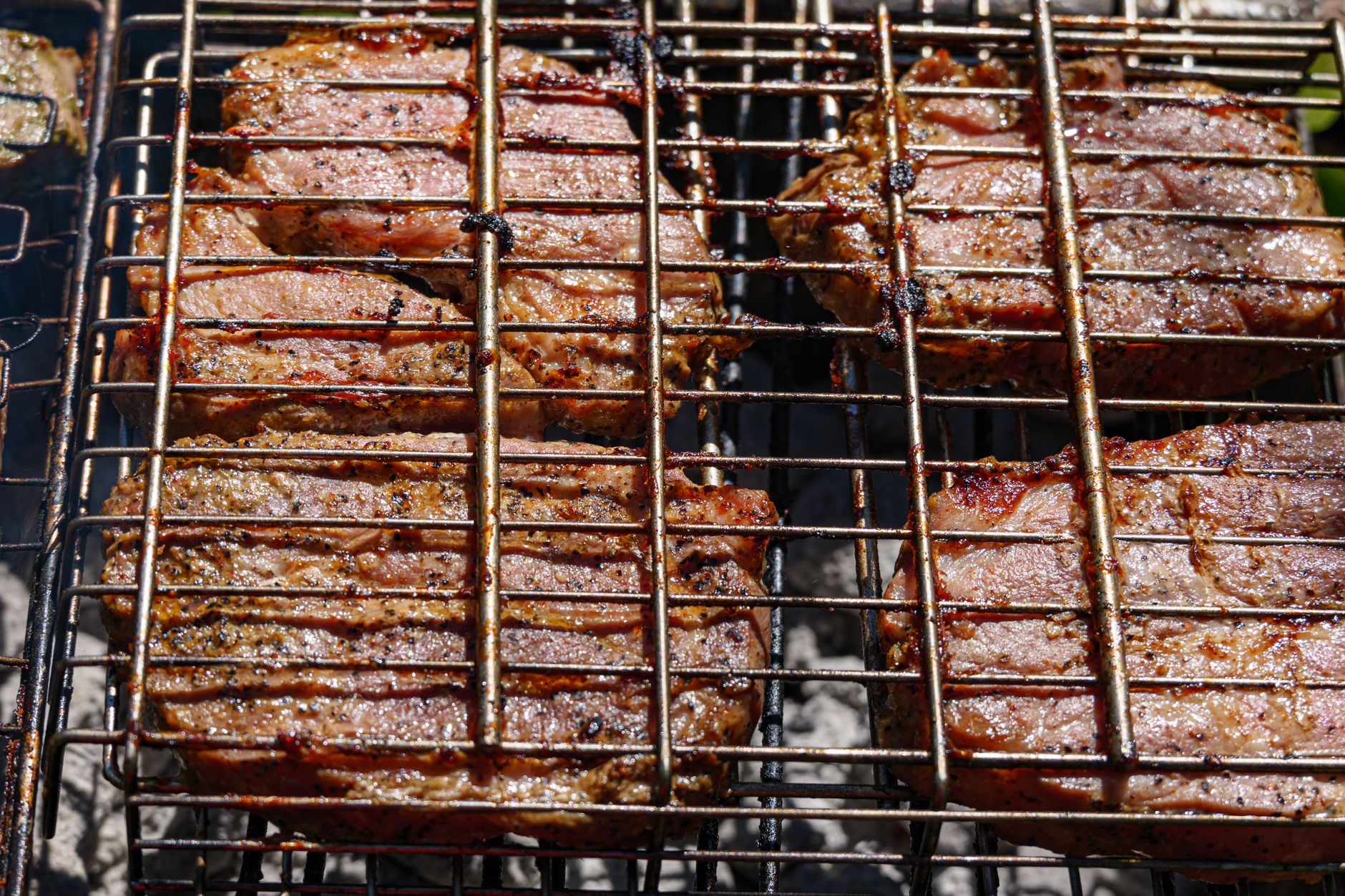
Steak is a beloved protein choice for many, known for its rich flavor and satisfying texture. As health-conscious individuals delve deeper into their dietary requirements, understanding the nutritional content of steak becomes increasingly important. This article explores whether steak has potassium, its nutritional profile, and how it fits into a balanced diet.
Potassium is a vital mineral and electrolyte that plays a significant role in bodily functions, including muscle contractions and nerve signaling. As we assess the potassium content of steak, we’ll also provide insight into recommended serving sizes, preparation methods, and how it compares to other potassium-rich foods.
Does Steak Have Potassium?
Yes, steak contains potassium. On average, a 3-ounce serving of cooked steak can provide around 280 to 400 milligrams of potassium, depending on the cut. This mineral is essential for maintaining fluid balance, heart health, and proper muscle function.
Nutritional Profile of Steak
When considering steak as part of your diet, it is essential to look beyond just potassium. Different cuts of steak vary in their nutritional values, including calories, fats, proteins, vitamins, and minerals.
Understanding Different Cuts of Steak
Steaks come in various cuts, each featuring its unique flavor, texture, and nutritional content. Here are some popular cuts and their respective potassium levels:
- T-Bone Steak (3 oz, cooked): About 240 mg of potassium.
- Ribeye Steak (3 oz, cooked): Approximately 300 mg of potassium.
- Sirloin Steak (3 oz, cooked): Roughly 330 mg of potassium.
- Filet Mignon (3 oz, cooked): Around 270 mg of potassium.
- Flank Steak (3 oz, cooked): Approximately 400 mg of potassium.
These levels can differ based on cooking methods and fat content. Leaner cuts generally provide better nutritional profiles, including potassium.
Importance of Potassium in Your Diet
Potassium serves several critical functions in the body:
- Fluid Balance: It helps maintain the balance of fluids in and out of cells.
- Nerve Function: Potassium is necessary for transmitting nerve impulses.
- Muscle Contraction: It plays a vital role in muscle contractions, including the heart muscle.
- Blood Pressure Regulation: Adequate potassium intake can help control blood pressure levels.
The recommended daily intake of potassium for adults is around 2,500 to 3,000 mg, varying based on age, sex, and health factors. Integrating potassium-rich foods like steak into your diet can support these needs.
How to Include Steak in a Potassium-Balanced Diet
Here are some practical ways to incorporate steak into a diet that meets potassium requirements:
Meal Ideas Featuring Steak
- Grilled Steak Salad: Combine grilled steak with mixed greens, tomatoes, and avocado for a potassium-rich meal.
- Stir-fried Beef and Vegetables: Use flank steak with bell peppers and broccoli to boost nutrient density.
- Beef Tacos: Fill corn tortillas with seasoned steak, kidney beans, and guacamole for added potassium.
Cooking Methods That Retain Nutrients
The cooking method can affect not only the flavor but also the nutrient retention of steak. Here are some best practices:
- Grilling: Retains flavor and nutrients effectively.
- Broiling: Cooks evenly while keeping the meat tender.
- Stir-frying: Quick cooking preserves essential nutrients.
Practical Tips for Cooking Steak
Cooking steak can be simple yet requires attention to detail for best results. Here are some tips:
Selecting the Right Steak
Choose high-quality cuts that suit your taste preferences and health goals. Look for:
- Marbling: A little fat can enhance flavor but select leaner cuts to minimize saturated fat intake.
- Freshness: Ensure the steak is bright red with limited discoloration.
Cooking Temperatures and Doneness Levels
Use a meat thermometer to ensure optimal cooking and doneness, as steak can vary in thickness. Here are the recommended internal temperatures:
- Rare: 125°F (52°C)
- Medium Rare: 135°F (57°C)
- Medium: 145°F (63°C)
- Medium Well: 150°F (66°C)
- Well Done: 160°F (71°C)
Common Mistakes to Avoid
- Overcooking: Monitor the temperature closely to prevent dryness.
- Skipping Resting Time: Allow steak to rest for 5 minutes post-cooking to retain juices.
- Using Too Much Salt Before Cooking: This can draw out moisture. Salt steak just before cooking for better results.
Potassium-Rich Alternatives to Steak
While steak is a good source of potassium, some might prefer plant-based or alternative protein sources. Here are some potassium-rich foods to consider:
- Sweet Potatoes: One medium sweet potato has about 540 mg of potassium.
- Spinach: A cooked cup offers around 840 mg of potassium.
- Bananas: One medium banana contains roughly 422 mg of potassium.
- Beans: A cup of cooked kidney beans has about 607 mg of potassium.
- Avocados: One avocado has approximately 975 mg of potassium.
Including a variety of these foods can help achieve potassium goals while enjoying a balanced diet.
Meal Planning and Prep with Steak
Planning meals around steak can be straightforward with a few strategies. Here are tips to help you incorporate steak efficiently:
Batch Cooking
Cooking larger portions of steak allows for multiple meals throughout the week. Consider:
- Grilling several steaks at once and storing leftovers for salads or stir-fries.
- Using marinades to enhance flavor and tenderness, suitable for freezing cooked steak.
Portion Control and Serving Sizes
Adjust portion sizes according to your dietary goals. A standard serving size is typically around 3 ounces of cooked steak. Here’s how to ensure balanced plates:
- Pair with Vegetables: Serve steak with a side of steamed or roasted vegetables.
- Whole Grains: Complete the meal with brown rice or quinoa for added fiber.
Shopping Tips
When purchasing steak, consider these factors:
- Buy from a reliable source with fresh, high-quality meats.
- Look for sales or bulk purchase options but ensure storage is appropriate to prevent spoilage.
Storage and Reheating Steak
Knowing how to store and reheat steak properly ensures food safety and quality:
Storage Guidelines
- Refrigerate cooked steak within two hours, stored in an airtight container.
- Consume refrigerated steak within three to four days.
- For longer storage, freeze cooked steak for up to three months.
Reheating Tips
To reheat steak while preserving its flavor and texture:
- Use a skillet over low heat, adding a bit of beef broth to maintain moisture.
- Alternatively, wrap steak in foil and heat in the oven at 250°F (121°C) until warmed through.
Common Questions about Potassium and Steak
As you explore the relationship between steak and potassium, here are some frequently asked questions:
Can I Get Enough Potassium from Eating Steak Alone?
While steak contributes to daily potassium intake, relying solely on it is not advisable. A balanced diet that includes various fruits, vegetables, and other protein sources will ensure sufficient potassium levels.
Is Steak Good for People with High Blood Pressure?
Moderation is key. Opting for leaner cuts and preparing them healthily can fit into a potassium-rich diet that may support blood pressure management. Consult with a healthcare professional for personalized advice.
How Does Cooking Affect the Potassium Content in Steak?
Cooking methods like grilling or broiling can help retain more nutrients compared to boiling, which may cause some nutrient loss. However, the overall potassium levels will remain relatively consistent through various cooking methods.
In summary, steak is a valuable protein source that provides potassium essential for various bodily functions. By understanding its nutritional profile and including it in a balanced diet with potassium-rich foods, you can enjoy both its flavors and health benefits. Explore exciting steak recipes, practical cooking tips, and creative meal ideas to enhance your culinary experience.
For more delicious recipes, consider trying this Petite Sirloin Steak recipe or this T-Bone Steak recipe.