
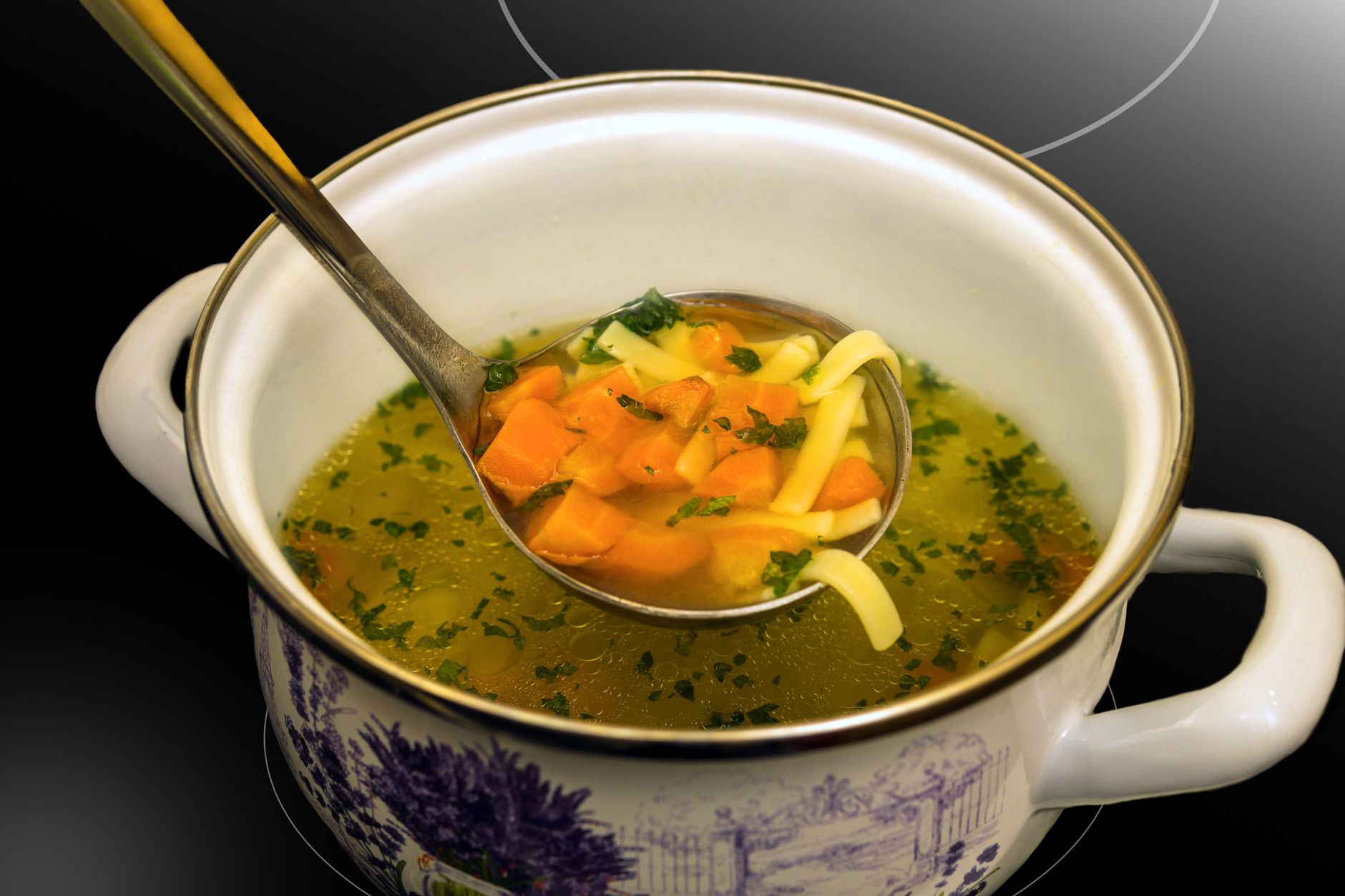
Chicken stock is a staple in many kitchens, renowned for its rich flavor and versatility. But beyond its culinary uses, many home cooks wonder: Is chicken stock good for you? The answer isn’t straightforward but involves aspects of nutrition, health benefits, and portion considerations.
This article delves into the benefits of chicken stock, its nutritional profile, potential drawbacks, and advice on how to incorporate it into your meals effectively. Let’s explore the topic comprehensively to help you make informed choices.
Is Chicken Stock Good For You?
Yes, chicken stock can be good for you as it contains essential nutrients and minerals that can support your overall health. It’s low in calories, high in flavor, and can form the base of many nutritious dishes. However, its health benefits may vary depending on preparation methods and added ingredients.
Understanding Chicken Stock
Chicken stock is made by simmering chicken bones, often with vegetables, herbs, and spices, in water. This slow-cooking process extracts collagen, gelatin, and essential nutrients from the bones, giving stock its characteristic rich flavor and mouthfeel.
Calories and Nutritional Value
Chicken stock is generally low in calories, making it a healthy addition to dishes. One cup of homemade chicken stock contains approximately 10 to 40 calories, depending on the ingredients used. The nutritional profile varies depending on how it’s made, but here are some common components found in chicken stock:
- Protein: Stock contains small amounts of protein, usually from the collagen in the chicken bones.
- Vitamins and Minerals: You’ll find B vitamins, magnesium, calcium, phosphorous, and other micronutrients that are released from the bones and meat during cooking.
- Gelatin: Gelatin derived from bones can support gut health, joint function, and skin elasticity.
Health Benefits of Chicken Stock
Incorporating chicken stock into your meals can serve various health benefits:
1. Gut Health Support
The gelatin in chicken stock may help promote good gut health by improving digestion and providing a soothing effect on the digestive tract. Some studies suggest that gelatin can help seal the gut lining, potentially aiding those with gut permeability issues.
2. Rich in Minerals
Chicken stock often contains minerals like calcium, phosphorous, and magnesium, which are vital for bone health, heart function, and metabolic processes. The slow simmering process allows these minerals to leach from the bones and into the stock, enhancing its nutritional value.
3. Immune System Boost
4. Hydration
Chicken stock is an excellent way to maintain hydration, especially when used as a base for soups or stews. Proper hydration is essential for overall health, affecting energy levels, digestion, and even skin health.
Potential Drawbacks of Chicken Stock
While chicken stock has many benefits, there are important considerations to keep in mind:
Sodium Content
Commercially prepared chicken stock can be high in sodium, which may contribute to high blood pressure and other health issues if consumed excessively. Always check labels or consider making your own stock to control sodium levels.
Potential Allergens
If you are allergic to chicken or have dietary restrictions, chicken stock may not be suitable for you. Always read ingredient labels carefully, especially in pre-packaged stocks.
Misleading Labels
Some products labeled as “chicken broth” may contain added preservatives, flavorings, or MSG, making them less healthy than homemade versions. Knowledge of what goes into your stock is important.
Homemade Chicken Stock Recipe
Making your own chicken stock is simple and allows for customization. Below is a basic recipe for homemade chicken stock.
Yield: About 2 quarts
Preparation time: 30 minutes
Cooking time: 4-6 hours
Total time: 4.5-6.5 hours
Ingredients:
- 2-3 pounds of chicken bones (neck, backs, wings, or carcass)
- 1 onion, quartered
- 2 carrots, chopped
- 2 celery stalks, chopped
- 4 cloves garlic, smashed (optional)
- 1-2 bay leaves
- 10-12 whole peppercorns
- Salt to taste (considering low sodium options)
- Water (enough to cover the bones and vegetables)
Essential Equipment:
- Large stock pot or slow cooker
- Strainer or fine mesh sieve
- Storage containers
Instructions:
- Place the chicken bones in the pot and cover with cold water (about 4-5 quarts).
- Add the vegetables, bay leaves, peppercorns, and any optional seasonings.
- Bring the pot to a boil over medium-high heat, then reduce the heat to low to simmer.
- Skim off any foam that forms at the surface for a clearer stock.
- Simmer for 4-6 hours. The longer you simmer, the richer your stock will be. Add more water if needed to keep the bones covered.
- Once finished, strain out the solids using a fine mesh sieve.
- Allow the stock to cool, then store it in jars or plastic containers in the fridge for up to a week, or freeze for longer storage.
Practical Substitutions and Variations
Whether you want to tailor your stock for specific dietary requirements or simply want to experiment, here are some recommendations:
- Vegetable stock: For a vegetarian option, substitute chicken bones with an assortment of vegetables like mushrooms, carrots, celery, and herbs.
- Herbs and spices: Customize your stock by adding herbs such as thyme, parsley, or rosemary. These can enhance flavor and add nutritional value.
- Acid: Adding a splash of vinegar can help draw out minerals from the bones.
Common Mistakes in Making Chicken Stock
While making chicken stock is relatively simple, avoid these common mistakes:
- Not simmering long enough: A longer simmer results in a richer flavor and clearer stock. Aim for at least 4 hours.
- Using too much salt: Reserve seasoning for when you use the stock in recipes so you can control the salt level.
- Using raw bones: Roasting bones beforehand can add depth and richness to your final stock.
Storage and Reheating
Homemade chicken stock can be stored in the refrigerator for about 4 to 5 days. If you want to keep it longer, consider freezing it. Here are a few storage tips:
- Use air-tight containers or freezer-safe bags, leaving some space for expansion.
- Label containers with the date for easy tracking.
- Reheat only the amount needed; avoid repeated thawing and refreezing.
Using Chicken Stock in Your Cooking
Incorporating chicken stock into your meals can enhance flavor and nutrition. Here are some common uses:
- Soups and Stews: Stock forms the base of many soups and stews, adding depth and warmth.
- Grains: Use stock instead of water when cooking grains like rice or quinoa to infuse flavor.
- Sauces and Risottos: Chicken stock can add richness to sauces, gravies, and creamy risottos.
Conclusion
Chicken stock can be a nutritious and beneficial component of a balanced diet when consumed in moderation. Making it at home not only boosts its health benefits but also allows for flavor customization. So go ahead, whip up a batch of chicken stock and enhance your cooking while reaping the rewards of this nourishing ingredient.
If you’re looking for more delightful recipes and cooking tips, explore our chicken stock recipe or find out whether chicken bouillon and chicken broth are the same. Happy cooking!