
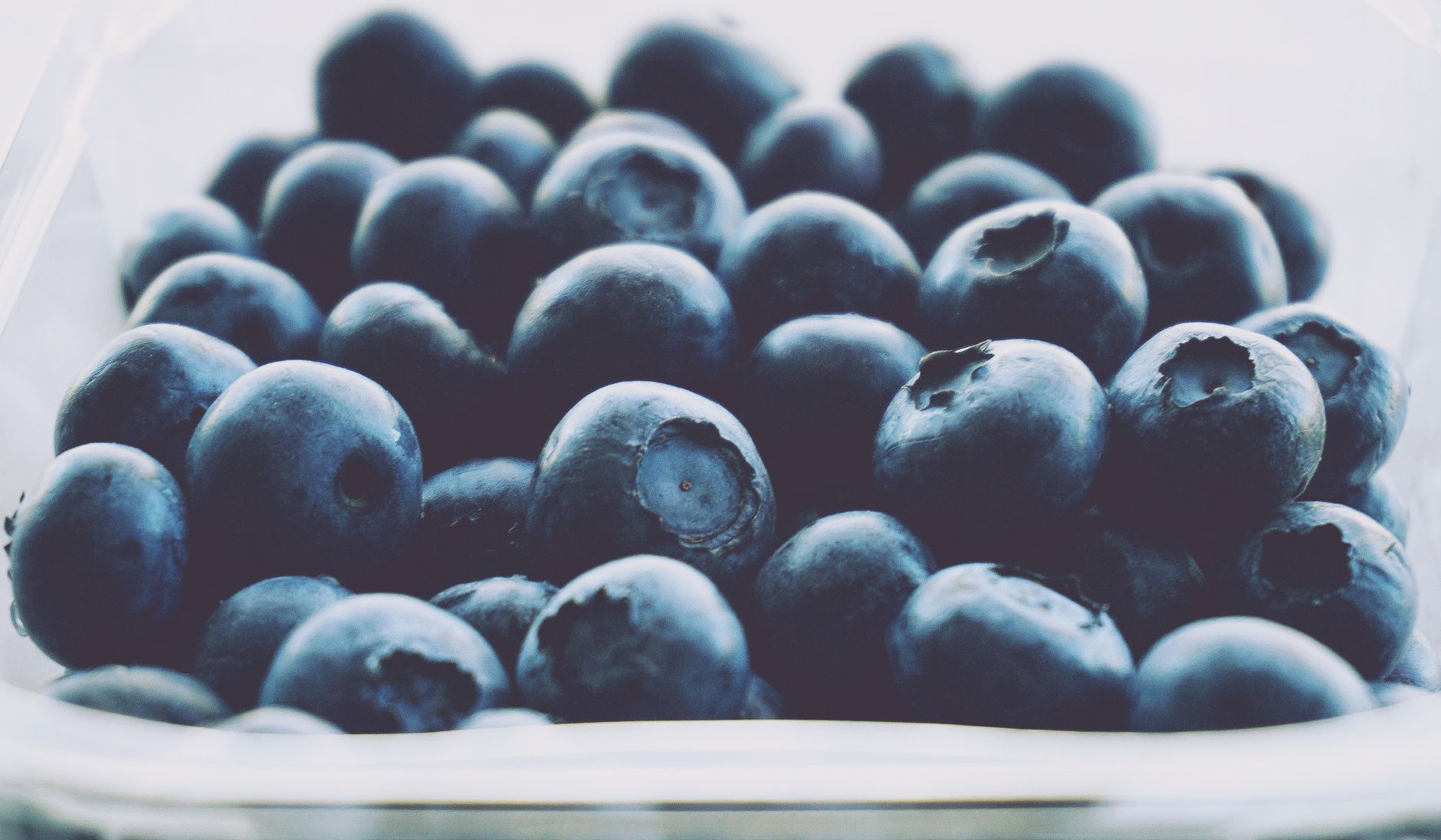
Blueberries are a beloved fruit known for their sweet taste, vibrant color, and numerous health benefits. Fresh blueberries can be enjoyed in various ways, whether in smoothies, pastries, or simply as a snack. However, what happens when you have an abundance of these juicy berries and want to preserve them for later use? One great solution is freezing. This article delves into everything you need to know about freezing blueberries—from the method to the best practices for thawing.
Freezing blueberries is an excellent way to extend their shelf life while retaining their flavor and nutritional value. It’s simple to do, and with proper storage techniques, you can enjoy fresh-tasting blueberries all year round. Let’s explore how to prepare blueberries for freezing, tips for storage, and methods for thawing them effectively.
Can You Freeze Blueberries?
Yes, you can freeze blueberries! Freezing is an effective method to store blueberries, preserving their flavor, texture, and nutritional value while extending their shelf life.
The Benefits of Freezing Blueberries
Freezing blueberries offers various advantages beyond merely prolonging their edibility. Here are several benefits:
- Extended Shelf Life: Fresh blueberries typically last only a few days in the refrigerator. Freezing can extend their life up to a year.
- Nutrient Retention: Freezing helps retain most of the nutrients found in fresh blueberries, like vitamins C and K, and antioxidants.
- Convenient for Recipes: Having frozen blueberries on hand allows for spontaneous baking or cooking—all year round.
- Minimized Waste: Freezing excess blueberries prevents spoilage and waste, allowing you to enjoy them later.
How to Choose Blueberries for Freezing
Choosing the right blueberries is essential for successful freezing. Here are some tips on selecting the best berries:
- Freshness: Select fresh, ripe blueberries that are plump, firm, and free of any blemishes or mold.
- Quality: Avoid berries that are wrinkled, mushy, or overly soft as these may not freeze well.
- Pesticides: If possible, choose organic blueberries to minimize pesticide exposure, or wash all berries thoroughly to remove any residues.
Preparing Blueberries for Freezing
Prior preparation is crucial to ensure the quality of your frozen blueberries. Follow these steps:
1. Wash the Blueberries
Begin by rinsing the blueberries under cool running water. Use a gentle, colander-style strainer to allow the berries to drain well. Avoid soaking the blueberries, as this may introduce excess moisture and make them mushy upon thawing.
2. Sort and Remove Stems
Check the blueberries for any damaged, unripe, or spoiled ones. Remove any stems, leaves, or debris that may be clinging to the berries.
3. Pat Dry
After washing, gently pat the blueberries dry with a clean kitchen towel or paper towels to remove any surface moisture. This step is vital for preventing ice crystals from forming during freezing.
4. Flash Freeze (Optional)
Flash freezing is a technique that helps prevent the blueberries from sticking together. Spread the washed and dried blueberries in a single layer on a baking sheet lined with parchment paper. Ensure they are not touching each other, then place the baking sheet in the freezer for about 2-3 hours.
5. Pack for Freezing
Once the blueberries are frozen individually, transfer them to airtight freezer bags or containers. Remove as much air as possible from the bags before sealing to prevent freezer burn.
Best Practices for Freezing Blueberries
To ensure your frozen blueberries maintain their quality for as long as possible, keep these best practices in mind:
- Label and Date: Clearly label your bags or containers with the date of freezing. This will help you track how long your blueberries have been stored.
- Storage Temperature: Ensure your freezer is set at 0°F (-18°C) or lower to keep the berries frozen consistently.
- Use Quality Bags or Containers: Opt for heavy-duty freezer bags or vacuum-sealed containers to minimize air exposure.
How Long Do Frozen Blueberries Last?
When stored properly, frozen blueberries can last about 6-12 months in the freezer. While they may still be safe to eat after this time, the quality can decline, leading to changes in flavor and texture.
Thawing Frozen Blueberries
Proper thawing is essential for preserving the quality of frozen blueberries. Here are some methods to thaw your berries:
1. In the Refrigerator
For the best texture and flavor, thaw blueberries slowly in the refrigerator. Place the desired amount in a bowl and let them sit for several hours or overnight.
2. On the Counter
If you need to thaw them quickly, place the blueberries in a bowl at room temperature for about 30 minutes. Monitor them closely to avoid becoming too mushy.
3. Directly from Frozen
Frozen blueberries can be added directly to recipes without thawing when making smoothies, baking muffins, or pancakes. This is especially useful when the recipe includes enough liquid for baking.
Culinary Uses for Frozen Blueberries
Frozen blueberries are incredibly versatile and can be used in various dishes. Here are some popular ways to incorporate them:
1. Smoothies
Add frozen blueberries to your blender for refreshing smoothies. They add natural sweetness and a vibrant color, complementing other fruits like bananas and spinach.
2. Baking
Use frozen blueberries in baked goods such as muffins, bread, or pies. They hold their shape well and release moisture while cooking, enhancing flavor.
3. Sauces and Jams
Thaw and cook frozen blueberries with sugar to create delicious toppings for pancakes or toast or transform them into homemade jams.
4. Breakfast Bowls
Top oatmeal, yogurt, or cereal with frozen blueberries for a quick and nutritious breakfast. The berries will thaw slightly and add a pleasant burst of flavor.
5. Ice Cream and Sorbet
Add them to homemade ice cream or sorbet recipes for added flavor and texture. Frozen blueberries blend seamlessly into creamy mixtures.
Common Mistakes to Avoid When Freezing Blueberries
A few common pitfalls can impact the quality of your frozen blueberries. Here are some to watch out for:
- Skipping the Washing Step: Always wash blueberries to remove dirt and any pesticide residues.
- Overcrowding in Containers: Avoid packing blueberries too tightly; they should be able to freeze individually to prevent clumping.
- Using Non-Freezer Safe Containers: Ensure containers are specifically designed for the freezer to prevent cracking and freezer burn.
Storing Thawed Blueberries
After thawing, it’s essential to store blueberries properly:
- Use Quickly: Thawed blueberries should ideally be eaten within a few days. Store them in the refrigerator if you are not using them right away.
- Do Not Refreeze: Avoid refreezing blueberries that have already been thawed, as this can lead to texture changes and loss of quality.
Summary
Freezing blueberries is a practical way to ensure that you have access to delicious and nutritious berries all year long. By following the steps outlined in this article—from selecting and preparing the blueberries to effective freezing and thawing methods—you can enjoy the taste of fresh blueberries regardless of the season.
With your newfound knowledge on how to freeze and use blueberries, it’s time to get started. Whether for smoothies, baking, or snacking, frozen blueberries will not disappoint!
Ready to learn more about blueberries? Explore how long do blueberries last or try out a blueberry cookie recipe!