
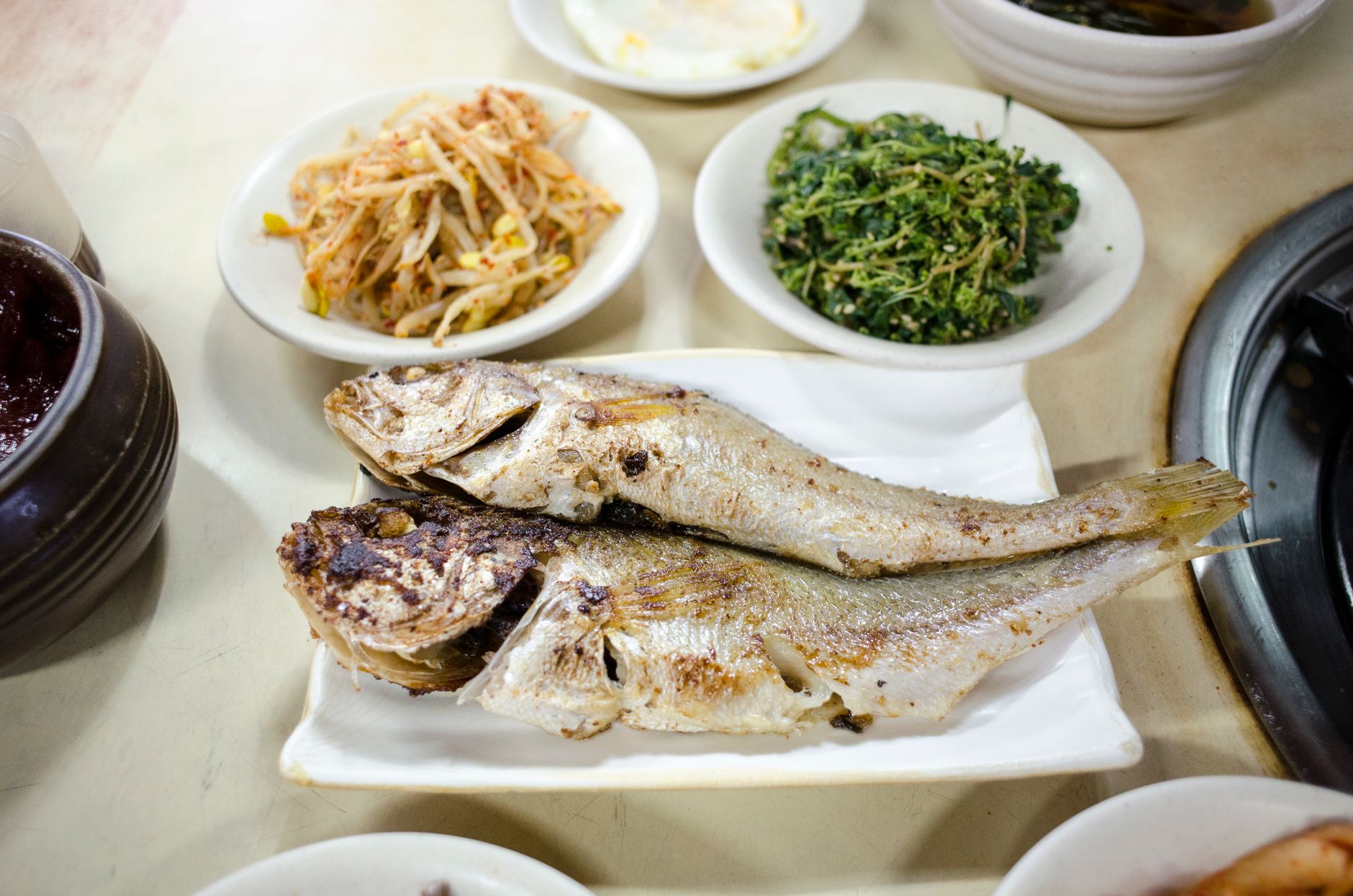
Seahorses are unique creatures with an appearance that captivates many. But beyond their distinct look, culinary enthusiasts sometimes wonder what these marine animals taste like. Understanding the flavor, texture, and potential culinary uses of seahorses can enhance your knowledge and broaden your culinary horizons.
This article explores what seahorses taste like, how they can be prepared, and what dishes and pairings may complement their unique properties. With rising interest in unusual ingredients, knowing how to use seahorses in the kitchen might just surprise your guests.
What Does Seahorse Taste Like?
Seahorse meat has a somewhat mild flavor that can be reminiscent of other seafood, particularly due to its oceanic nature. The texture can vary, but it is generally described as tender yet slightly chewy, which can offer a unique eating experience. While not commonly found in mainstream cuisine, seahorses have been enjoyed in cultures worldwide.
Flavor Profile of Seahorse
The flavor of seahorse can be explained as delicate with subtle sweetness. When cooked properly, it carries hints of brininess due to its marine habitat, similar to other seafood like shrimp or fish. The meat itself is often likened to that of small shellfish, making it a fascinating ingredient for seafood enthusiasts.
Texture Considerations
Seahorse meat is unique in terms of texture, which is moderately firm while still having a tender quality. It can be prepared in various ways, including grilling, frying, or simmering, and absorbs flavors well, allowing it to combine effectively with different sauces and seasonings.
Culinary Uses of Seahorse
Seahorse is traditionally used in Asian cuisines, particularly in Chinese cooking, where it is valued for its believed medicinal properties. It may be found in soups, stews, or even as a dried ingredient in specialty dishes. Here’s a look at some common culinary applications:
- Soups and Broths: Seahorse can add depth to fish or seafood soups. It’s often simmered in broth, contributing both taste and nutrients.
- Stir-Frying: Incorporating seahorse into a stir-fry can give a unique twist to the dish, particularly when combined with other seafood or vegetables.
- Dried Seahorse: In many cultures, seahorses are dried for use in traditional medicine, but these can also be rehydrated and used in cooking.
How to Prepare Seahorse for Cooking
Preparing seahorse requires careful handling to ensure the best flavor and texture. Here are the steps to properly prepare seahorse for culinary use:
- Cleaning: Rinse the seahorses thoroughly under cold water. Make sure to remove any impurities or sand that might affect the taste.
- Removing Gills and Organs: If using whole seahorses, remove the gills and internal organs to improve the flavor.
- Cooking Method: Decide on your preferred cooking method; options include boiling, frying, steaming, or drying.
Cooking Techniques for Seahorse
Different cooking techniques can enhance the flavor and texture of seahorse. Below are a few suggested methods:
1. Boiling
Boiling seahorses can help retain their natural tenderness while incorporating additional flavors.
- Bring a pot of salted water to a boil.
- Add the cleaned seahorses and cook for 3-5 minutes, depending on their size.
- Remove and cool before adding to your desired dish or serving with broth.
2. Stir-Frying
Quick cooking methods like stir-frying can lock in flavor while creating vibrant dishes.
- Heat a pan over medium-high heat and add a bit of oil.
- Introduce chopped vegetables like bell peppers, carrots, or bok choy.
- Add the cleaned seahorses and stir-fry for 3-4 minutes until fully heated through.
3. Grilling
Grilling seahorses can lend a smoky flavor and enhance their natural sweetness.
- Preheat your grill to medium heat.
- Skewer the seahorses for easy handling.
- Grill for 2-3 minutes on each side until slightly charred and heated through.
Flavor Pairings with Seahorse
Seahorse can be paired with various ingredients to create a well-rounded dish. Here are some suggestions:
- Citrus: Flavors from lemon, lime, or orange can brighten up the dish.
- Herbs: Fresh herbs like cilantro, basil, or green onions enhance the flavor profile significantly.
- Spicy Elements: Ingredients such as chili peppers or garlic can provide an exciting contrast to the sweetness of seahorse.
Common Mistakes When Cooking Seahorse
Cooking seahorse can be a delightful experience, but there are common pitfalls to avoid:
- Overcooking: As with many seafood, overcooking seahorse can lead to a rubbery texture. Monitor cooking times closely.
- Insufficient Flavoring: Seahorses absorb flavors, so under-seasoning can lead to bland dishes. Don’t be shy with spices and marinades!
- Poor Quality: Always ensure you’re purchasing fresh, high-quality seahorses for the best taste and safety.
Storage and Handling of Seahorse
Proper storage is crucial for maintaining the quality of seahorse. Here are some tips:
- Fresh Seahorse: Store fresh seahorses in the refrigerator and consume them within 1-2 days.
- Dried Seahorse: Keep dried seahorses in an airtight container; they can last several months if stored in a cool, dry place.
- Freezing: Seahorse meat can be frozen for up to three months. Make sure to wrap it tightly to prevent freezer burn.
Health Considerations
While seahorses are consumed in various cultures, it’s essential to be aware of any potential health concerns. Some individuals may have allergies to seafood, and sustainability is still a pressing issue with seahorse populations globally. Ensure that any seahorses purchased are obtained legally and sustainably.
Conclusion
Seahorses offer a unique culinary experience with their mild flavor and tender texture. Although they are not mainstream, their distinctive taste and versatility make them an intriguing choice for adventurous eaters looking to explore different seafood options.
If you’re inspired to experiment with this interesting ingredient, be sure to explore additional cooking tips and culinary guides for sourcing unique ingredients that push your culinary boundaries.