
Understanding which foods are high in fats can significantly impact your meal planning and cooking techniques. Fats are an essential nutrient that provides energy, supports cell growth, and aids in the absorption of certain vitamins. However, not all fats are created equal, and it’s important to discern which high-fat foods are beneficial for your diet.
This guide explores various high-fat foods, categorizing them into healthy and less healthy options, discussing their culinary uses, and offering storage tips. This knowledge will empower you to make informed choices in the kitchen.
What Foods Are High in Fats?
Foods high in fats can range from healthy sources like avocados and nuts to less desirable options such as fried foods and processed snacks. Healthy fats are typically unsaturated fats, while unhealthy fats are often saturated or trans fats.
Healthy High-Fat Foods
Incorporating healthy fats into your diet can provide numerous benefits. Here are some foods that are rich in healthy fats:
Avocados
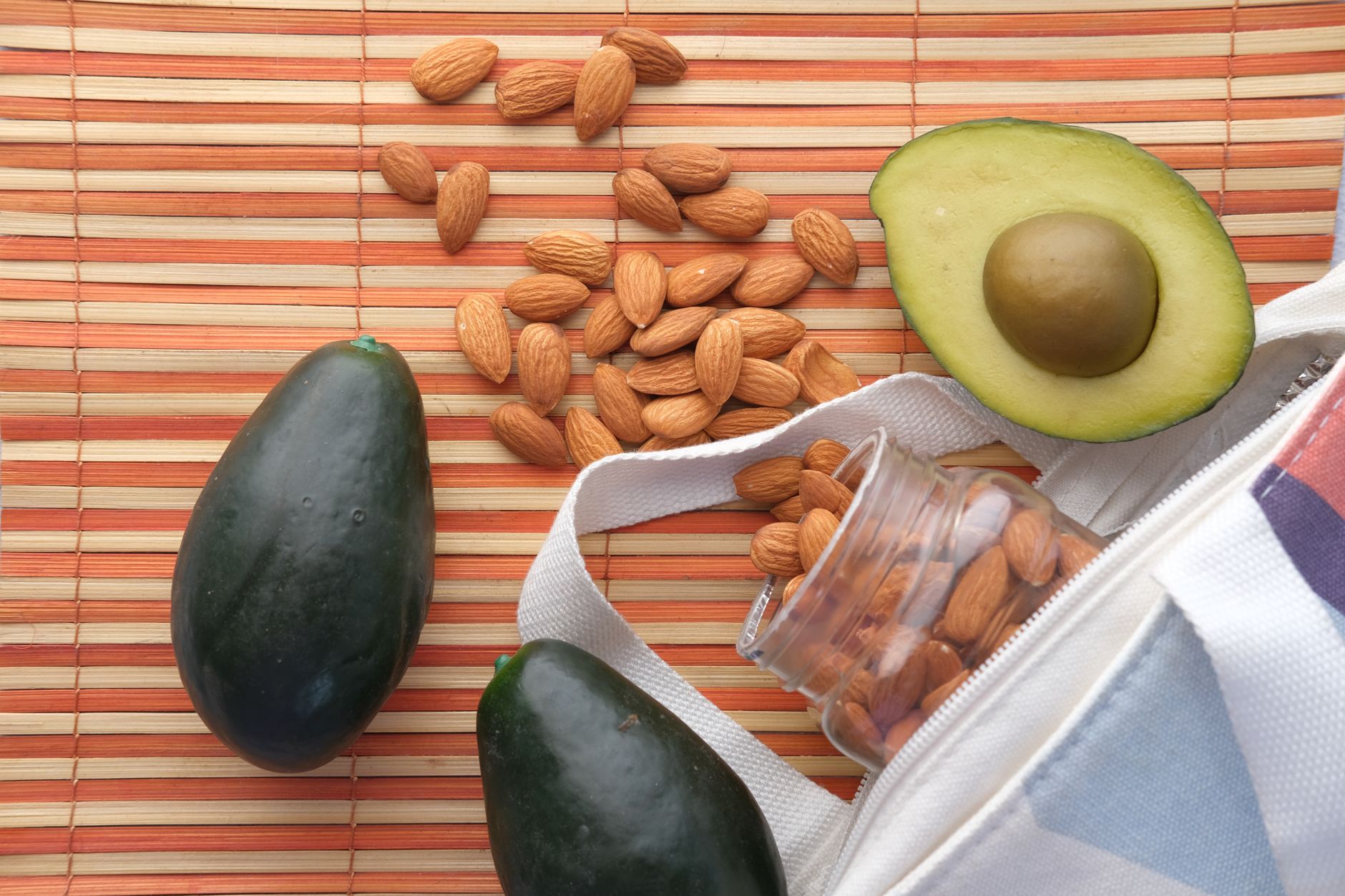
Avocados are an excellent source of monounsaturated fats, which can benefit heart health. They are creamy in texture and have a mild flavor, making them versatile for various dishes.
- Use in salads, smoothies, or as toppings for toast.
- Store at room temperature until ripe; refrigerate to prolong freshness once cut.
Nuts and Seeds
Almonds, walnuts, chia seeds, and flaxseeds are high in healthy fats and full of protein and fiber. Their rich flavor adds texture to baked goods and salads.
- Add to yogurt, oatmeal, or snack mixes.
- Store in a cool, dark place, or refrigerate to maintain freshness.
Olive Oil
Olive oil is a staple of the Mediterranean diet, known for its heart-healthy benefits. It’s best used in dressings, marinades, and for sautéing.
- Use as a dressing for salads or drizzled over vegetables.
- Keep in a cool, dark cupboard to prevent rancidity.
Fatty Fish
Fish like salmon, mackerel, and sardines are high in omega-3 fatty acids, which have anti-inflammatory properties. These fish have a rich taste and can be grilled, baked, or used in stews.
- Serve grilled with lemon and herbs, or as part of a sushi dish.
- Store fresh fish in the refrigerator and consume within a couple of days or freeze for longer storage.
Coconut and Coconut Oil
Coconut is rich in saturated fat, specifically medium-chain triglycerides, which may have various health benefits. It’s excellent in baking, curries, or as a dairy substitute.
- Use in smoothies, baked goods, or stir-fries.
- Store coconut products in a cool, dry place; once opened, refrigerate coconut milk.
Less Healthy High-Fat Foods
While some high-fat foods are beneficial, others can contribute to health issues if consumed in excess. Here are a few to be cautious with:
Processed Meats
Processed meats like bacon, sausage, and hot dogs often contain high levels of saturated fat and preservatives. Although they can enhance flavors in dishes, moderation is essential.
- Use sparingly as flavorings in dishes such as pasta or casseroles.
- Store in the refrigerator and consume before the expiration date.
Fried Foods
Fried foods are typically high in unhealthy fats and calories. Foods like french fries, fried chicken, and doughnuts can be delicious but should be eaten occasionally.
- Avoid frequent consumption for better overall health.
- Store leftovers in airtight containers in the refrigerator, but best consumed fresh.
Baked Goods
Many baked goods, including pastries, cookies, and cakes, contain high amounts of saturated and trans fats. These fats improve texture but add unnecessary calories.
- Limit intake and consider healthier baking alternatives like whole grains.
- Store in airtight containers to maintain freshness.
Dairy Products
Full-fat dairy products such as cream, cheese, and butter are high in saturated fat. They can add richness to cooking but should be consumed mindfully.
- Opt for moderate use in recipes such as sauces or baked dishes.
- Store dairy in the refrigerator and check for freshness regularly.
Cooking with High-Fat Foods
When incorporating high-fat foods into your cooking, consider the following tips to maximize flavor and nutritional value:
Balancing Flavors
High-fat foods can easily dominate a dish, so balance is crucial. Pairing them with acidic ingredients like lemon juice or vinegar can enhance flavors while cutting through the richness.
Choosing Cooking Methods
When using high-fat ingredients, choose healthy cooking methods to retain flavor and nutrients. Grilling, roasting, or sautéing with minimal added fats can keep dishes light yet flavorful.
Portion Control
Understanding servings and portion sizes is key when working with high-fat foods. Measure out servings to avoid overconsumption and create a balanced plate.
Ingredient Substitutions for Healthier Options
To reduce unhealthy fat intake while still enjoying rich flavors, consider these practical substitutions:
- Use Greek yogurt instead of sour cream or mayonnaise for dips and dressings.
- Replace butter with applesauce or mashed bananas in baking for moisture and sweetness without the extra fat.
- Substitute full-fat milk with almond or oat milk for a lower-fat dairy alternative.
Meal Planning with High-Fat Foods
Incorporating high-fat foods into your meal planning requires balance and creativity. Here’s how to effectively include them:
Balanced Meals
When planning meals, aim for balance by including protein, carbohydrates, and healthy fats. For instance, a grilled salmon fillet with avocados and quinoa provides a nutrient-rich meal.
Batch Cooking
Batch cooking high-fat recipes can save time and ensure you have healthy options throughout the week. Prepare items like chili, soups, or stews that incorporate healthy fats and freeze extra portions for later.
Utilizing Leftovers
High-fat foods like cooked meats and dairy products can be used creatively in leftovers. Incorporate them into salads, grain bowls, or casseroles to enhance next-day meals.
Common Mistakes to Avoid
While cooking with high-fat ingredients, some common pitfalls can detract from your culinary results:
Overusing Ingredients
It’s easy to overshoot when adding fats to dishes. Remember that less is often more; you can always add more fat after tasting, but you cannot take it away.
Neglecting Nutritional Balance
Failing to balance fats with other food groups can lead to heavy meals. Always include plenty of vegetables and whole grains alongside high-fat options for well-rounded nutrition.
Storage and Shelf Life of High-Fat Foods
Proper storage of high-fat foods can prolong their life and freshness. Consider these guidelines:
Avocados
Store unripe avocados at room temperature. Once ripe, place them in the refrigerator to slow down the ripening process and keep them fresh longer.
Nuts and Seeds
Keep nuts and seeds in a cool, dry place. For longer freshness, consider storing them in the refrigerator or freezer, as fats can go rancid over time.
Oils
Oils should be kept in a cool, dark space to prevent oxidation. Olive oil, for instance, can lose its flavor and nutritional benefits when exposed to light and heat.
Final Thoughts
Integrating high-fat foods into your diet can be enjoyable and healthy, provided you make mindful choices. Focus on the quality of fats, enhance meals with the right balance of nutrients, and store foods properly to maintain their freshness.
Explore new recipes and discover more about your favorite ingredients! Check out our Chia Pudding Recipe with Coconut Milk for a delicious breakfast option or try our Avocado Bread Recipe for a healthy snack.