
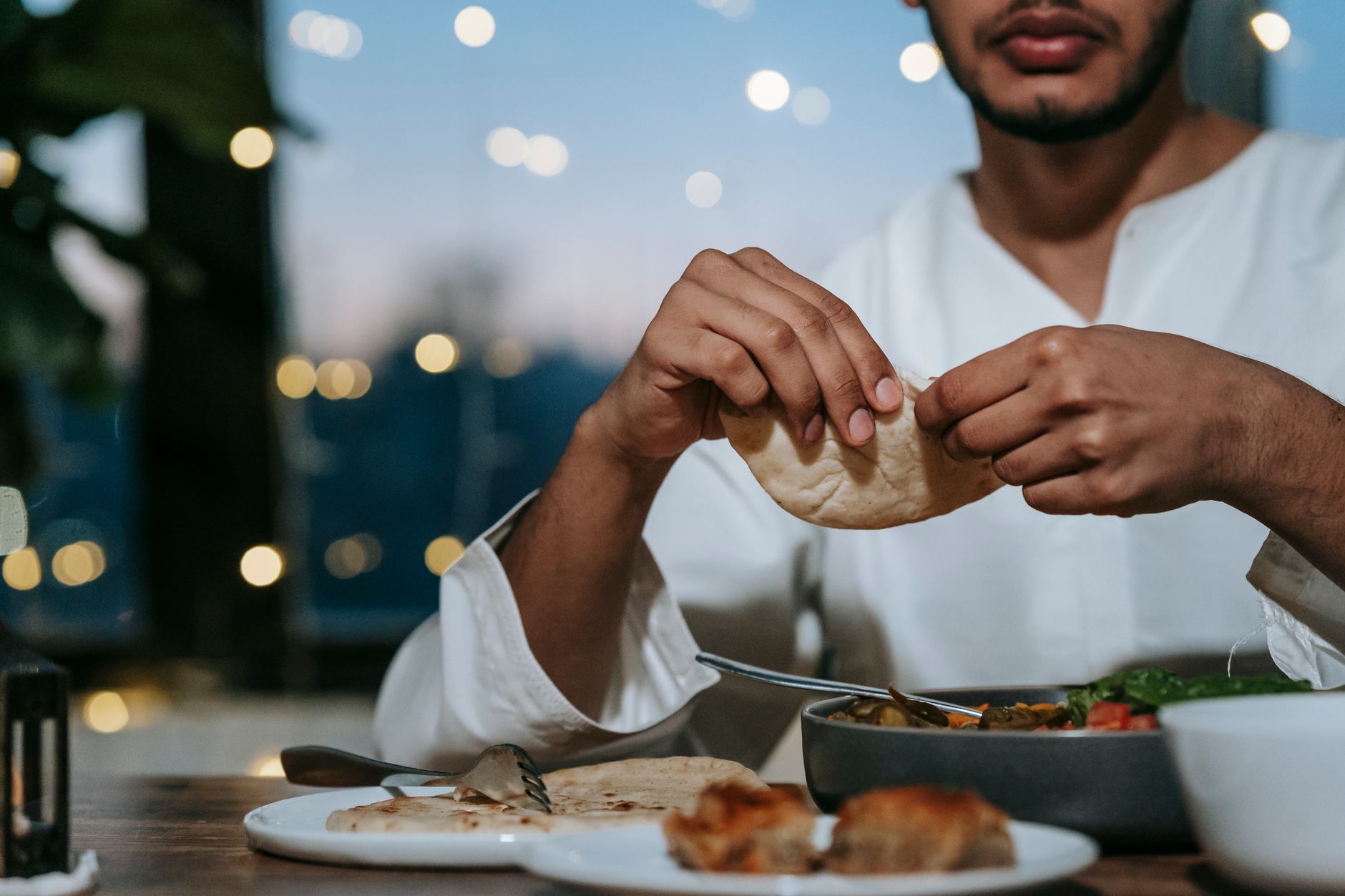
Understanding halal food is crucial for many people interested in dietary restrictions, cultural practices, or simply exploring diverse cuisines. Halal food refers to items that are permissible to eat under Islamic dietary guidelines, which dictate not only what foods can be consumed but also how they must be prepared and processed.
This article explores what halal food is, including key ingredients, labeling practices, and alternative options available for those looking to adopt or better understand this dietary framework.
Halal Food: What Is It?
Halal food is defined by Islamic law, known as Sharia. The term ‘halal’ means permissible or lawful, and it encompasses a wide range of food items and practices. Foods that are considered halal must meet specific criteria to be deemed acceptable for consumption by Muslims.
The concept of halal extends beyond just meat products to include fruits, vegetables, grains, and other food items. Understanding the principles of halal can enrich your culinary experience while ensuring compliance with dietary practices.
Key Components of Halal Food
There are several fundamental components to consider when determining whether a food item is halal.
- Permissible Ingredients: Certain ingredients are inherently non-halal. For example, pork and its by-products are strictly forbidden. Additionally, alcohol is not permissible. It’s essential to look for approved halal alternatives.
- Slaughtering Methods: Animals must be slaughtered according to Islamic law, which includes invoking the name of Allah before the kill and ensuring that the animal is treated humanely. The animal must also be free from illness before slaughter.
- Processing Guidelines: Halal foods must not come into contact with non-halal items during processing. This includes both physical separation and transportation methods.
Identifying Halal Food: Labels and Certifications
In markets and grocery stores, identifying halal food can sometimes be challenging. Many products may not overtly label themselves as halal, so here’s what to look for.
Halal Certification
Look for halal certification on packaging. This certification is typically indicated by a symbol or seal from a recognized halal authority. Each certifying body has its own set of standards, so understanding which authority is reputable can make a difference.
Some well-known certifying organizations include:
- Islamic Food and Nutrition Council of America (IFANCA)
- Muslim Food Board of New York
- Halal Certification Authority (HCA)
Ingredient Lists
Reading ingredient labels is vital when assessing a product’s halal status. Ingredients like gelatin, certain emulsifiers, and enzymes may not be halal unless specifically stated. Check for vegan or plant-based alternatives when unsure.
Commonly Used Halal Ingredients
Here are some common halal ingredients along with brief descriptions:
- Beef and Lamb: Often the go-to meats for halal dishes, these should be sourced from halal certified suppliers.
- Chicken and Turkey: Poultry is widely accepted as halal when sourced from certified vendors.
- Fish: Most fish are considered halal, but ensuring they are sourced from clean waters is essential.
- Fruits and Vegetables: All fruits and vegetables are generally halal as long as they have not been contaminated by non-halal substances.
- Grains and Legumes: Products like rice, wheat, and lentils are naturally halal and versatile in recipes.
- Dairy Products: Milk and cheese can be halal unless they contain additives derived from non-halal sources.
Halal Food Alternatives
In various situations, you may find yourself in need of halal alternatives to traditional non-halal foods. Here are some options:
Meat Alternatives
If you are looking for vegetarian or vegan options, consider:
- Soy Products: Tofu and tempeh can provide a protein-rich, halal-friendly alternative.
- Seitan: Made from wheat gluten, seitan is a good substitute in culinary applications where meat is conventional.
- Legumes: Beans, lentils, and chickpeas are excellent sources of protein.
Dairy Alternatives
For those who are lactose intolerant or prefer vegan diets, check for:
- Coconut Milk: A popular dairy alternative that adds richness to dishes.
- Almond Milk: A versatile option for cooking and baking.
- Cashew Cream: A creamy substitute that works well in sauces and desserts.
Snacks and Sweets
When it comes to snacks, consider alternatives like:
- Dark Chocolate: Ensure it is alcohol-free and fully dairy-approved.
- Fruit Bars: Look for those without gelatin or non-halal preservatives.
- Nuts and Seeds: Naturally halal snacks that can pack a nutritional punch.
Cooking with Halal Ingredients
Cooking with halal ingredients does not tie you solely to traditional Middle Eastern recipes. Many dishes from various cultures can easily be adapted to be halal-friendly.
Adapting Recipes
To create halal versions of popular dishes, consider replacing non-halal ingredients with their halal counterparts. For example, in classic spaghetti Bolognese, replace ground beef with halal ground turkey or vegetarian substitutes.
Exploring Global Cuisines
There are numerous cuisines that naturally incorporate halal practices. Some examples include:
- Middle Eastern: Dishes like shawarma and falafel are often prepared with halal ingredients.
- Indian: Many Indian dishes use halal meats and spices, creating rich flavors and textures.
- North African: Tagines and couscous often incorporate halal meat options.
- Asian: Dishes like Thai curry or Indonesian satay can be made halal, provided the meat used is sourced appropriately.
Meal Planning with Halal Foods
Meal planning can be a great way to incorporate halal foods into your diet effectively. Here are some practical tips:
Batch Cooking
Consider preparing larger quantities of halal-friendly dishes that can be consumed throughout the week. Dishes like lentil stew or chicken curry work great for batch cooking.
Ingredient Overlap
Choose ingredients that can be used across multiple meals to reduce waste and save time. For instance, grilled chicken can be used in salads, wraps, and rice bowls throughout the week.
Shopping List Essentials
When heading to the grocery store, keep a list of essential halal ingredients. Here’s a sample list:
- Chicken thighs/breasts
- Ground turkey or beef
- Rice or quinoa
- Fresh vegetables (spinach, bell peppers, carrots)
- Legumes (chickpeas, lentils)
Common Mistakes When Choosing Halal Food
Even with the best intentions, it is easy to make mistakes when selecting halal food. Here are some common pitfalls to avoid:
- Assuming All Meat is Halal: Always check for certification. Not all beef or chicken is automatically halal.
- Neglecting to Read Labels: Take the time to read ingredient lists, as many processed foods contain non-halal ingredients.
- Ignoring Cross-Contamination: If preparing halal meals in a non-halal kitchen, be sure to clean utensils and surfaces thoroughly before use.
Storage and Reheating of Halal Foods
Storing and reheating halal foods should follow standard food safety practices. Here are some guidelines:
- Refrigeration: Store all cooked halal foods in airtight containers in the refrigerator, ideally at or below 40°F (4°C).
- Freezing: Many halal meats and prepared dishes freeze well. Seal them in freezer-safe bags or containers to avoid freezer burn.
- Thawing: Always thaw foods in the refrigerator or under cold running water, never at room temperature, to reduce the risk of bacterial growth.
- Reheating: When reheating, ensure food reaches an internal temperature of at least 165°F (74°C) for safety.
Conclusion
Understanding what halal food is can open up a world of culinary opportunities for anyone interested in diverse diets and cultural practices. Whether you’re looking to adapt recipes or plan meals with halal ingredients, there are numerous options available.
For those curious about cooking with halal sauces, check out our recipe for halal white sauce, or if you’re exploring meat options, learn more about beef consumption in halal diets. Embrace the richness of halal cuisine and enjoy the journey!