
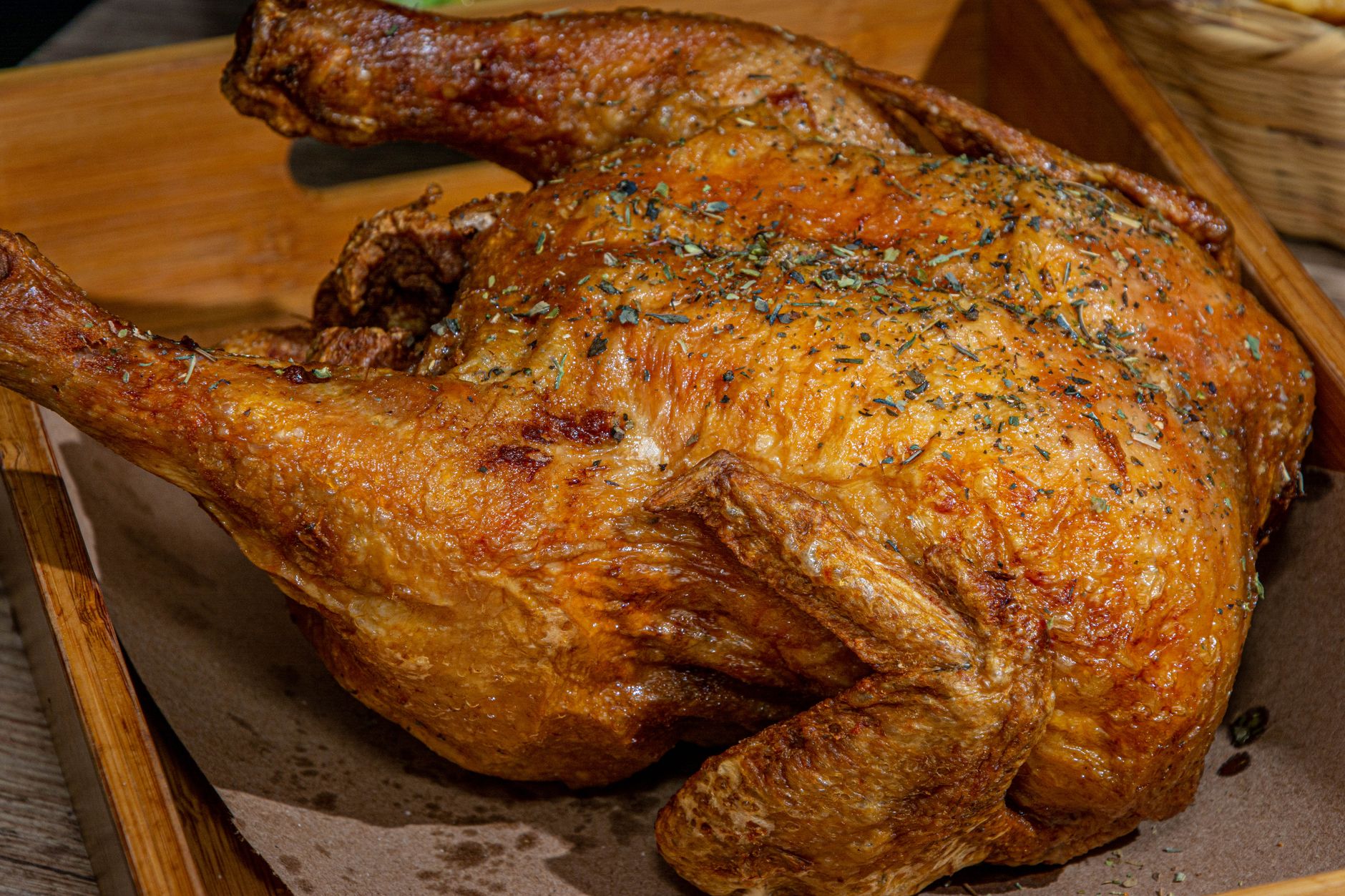
The average weight of a chicken can significantly affect cooking times, portion sizes, and meal planning. Understanding how much an average chicken weighs can enhance your culinary skills by helping you choose the right size for recipes and ensure that you are cooking it thoroughly.
This guide will explore the average weight of chickens, variations across different breeds, and how these factors can influence your cooking and food preparation. Additionally, we will discuss selecting the right chickens for your recipes and storage recommendations, so you can elevate your meal planning and preparation.
How Much Does the Average Chicken Weigh?
The average weight of a whole chicken typically ranges from 3.5 to 5.5 pounds, depending on its breed, age, and dietary conditions. Most commonly, store-bought chickens are around 4 to 5 pounds, which is ideal for roasting or baking. However, different chicken classifications can affect this average weight.
Factors Affecting Chicken Weight
Several factors influence the weight of chickens. Understanding these aspects allows you to select the right poultry for your cooking needs.
Breed
Different breeds of chickens grow to different sizes. For instance, broiler chickens are bred specifically for meat production and typically reach weights of 6 to 8 pounds within just six to seven weeks. On the other hand, heritage breeds such as the Rhode Island Red or Plymouth Rock grow slower and usually weigh between 4 to 6 pounds at maturity.
Age
The age of the chicken is crucial in determining its weight. Young chickens (usually referred to as capons) are lighter, while adult chickens can weigh significantly more depending on their breed. A chicken’s weight increases as it matures, with broilers reaching market weight quickly.
Diet and Living Conditions
The diet of chickens plays a vital role in their growth. Chickens raised on high-quality feed will generally grow larger than those fed subpar diets. Living conditions can also affect weight; chickens raised in free-range environments may develop more muscle and thus weigh more than those raised in confined spaces.
Chicken Parts and Their Weights
If you are using specific parts of the chicken for your recipes, knowing their typical weights can help you determine how much to buy. The following will provide a general guide for the weight of common chicken parts.
Whole Chicken
- Average Weight: 3.5 to 5.5 pounds
Chicken Breasts
- Boneless, skinless chicken breasts: 6 to 8 ounces each
- Bone-in, skin-on chicken breasts: 8 to 10 ounces each
Chicken Thighs
- Boneless, skinless thighs: 4 to 6 ounces each
- Bone-in, skin-on thighs: 6 to 8 ounces each
Chicken Drumsticks
- Average weight: 4 to 5 ounces each
Chicken Wings
- Average weight: 3 to 4 ounces each
Cooking Considerations Based on Chicken Weight
The weight of the chicken has a direct impact on cooking times and methods. Here’s how to adjust your cooking for different weights:
Whole Chicken Cooking Times
When roasting or baking a whole chicken, a general guideline is to cook it for 20 minutes per pound at 375°F. Therefore:
- For a 4-pound chicken, roast for approximately 1 hour and 20 minutes.
- For a 5-pound chicken, roast for approximately 1 hour and 40 minutes.
The chicken is done when the internal temperature reaches 165°F in the thickest part of the breast. Using a meat thermometer can help ensure accuracy.
Adjustments for Chicken Parts
- Boneless chicken breasts typically cook in 15 to 20 minutes at 350°F.
- Bone-in thighs may require 30 to 40 minutes, depending on their size.
Always check the visual cues — chicken should no longer be pink, and juices should run clear — and use a food thermometer to achieve safe cooking temperatures.
Selecting the Best Chicken for Your Meals
When purchasing chicken, whether for roasting, frying, or grilling, selecting the right type can significantly influence both the taste and outcome of your meal.
Organic vs. Conventional Chicken
Organic chickens are often more flavorful due to their diet and living conditions compared to conventional chickens. They typically also weigh slightly less but may cost more. Store-bought organic chickens average around 3.5 to 5 pounds and are a popular choice for those seeking higher quality.
Frozen vs. Fresh Chicken
Fresh chicken usually provides better flavor and texture. However, frozen chicken is convenient and can be stored for extended periods. Regardless of your choice, be sure to check for any signs of freezer burn or off odors when selecting frozen options.
Storing Chicken Properly
Proper storage of chicken is vital for food safety and quality. Here are some tips:
Refrigerating Chicken
Raw chicken can be stored in the refrigerator for 1 to 2 days. Be sure to keep it in its original packaging, or you can place it in a sealable plastic bag to prevent cross-contamination with other foods.
Freezing Chicken
To freeze chicken, wrap it tightly in plastic wrap, aluminum foil, or a freezer-safe bag. Frozen chicken can last for up to 12 months if stored correctly. It is important to label and date the packaging to track its storage time. For the best quality, consider using it within six months.
Thawing Chicken Safely
When thawing frozen chicken, do so in the refrigerator, under cold running water, or in the microwave. Never thaw chicken at room temperature, as this can promote bacterial growth. Cook thawed chicken immediately if you defrost in the microwave or cold water.
Common Mistakes When Cooking Chicken
When preparing chicken, several mistakes can lead to an unsatisfactory meal. Here are common pitfalls to avoid:
Not Using a Meat Thermometer
Cooking chicken to the correct internal temperature is crucial for safety. A reliable meat thermometer will ensure your chicken reaches the safe limit of 165°F.
Overcooking
Overcooked chicken can be dry and tough. Monitor cooking times closely, particularly with smaller parts like wings or chicken breasts.
Ignoring Rest Time
Allowing chicken to rest after cooking is important. Let it sit for about 10 to 15 minutes before slicing to help retain moisture and flavor.
Meal Planning with Chicken
Planning meals around chicken can help streamline your week while optimizing your cooking time. Here are some practical tips:
Batch Cooking
Consider batch cooking chicken at the beginning of the week. Roasting multiple chickens or using a slow cooker can save you time. Use the cooked chicken in various meals throughout the week — salads, tacos, and sandwiches.
Ingredient Variability
Chicken is incredibly versatile. Pair it with different sides and sauces to create varied meals. For example, serve grilled chicken with steamed vegetables one night, and shred it for tacos the next!
Freezing for Later Use
If you cook more than you can eat, freezing leftovers is an excellent way to ensure you have a quick meal readily available later. Just be sure to label the storage containers with the date, and you can enjoy the benefits of fast meal prep without sacrificing flavor.
Conclusion
The average weight of a chicken plays a crucial role in cooking and meal planning. By understanding these weights and how to properly prepare and store chicken, you can create delicious meals while ensuring food safety and quality. When planning your meals, think about what chicken options best fit your recipe needs, and don’t forget to check for quality.
For more tips on chicken storage, see how long chicken is good for in the fridge, or learn about cooking times with our guide on how long to bake chicken legs at 400°F.