
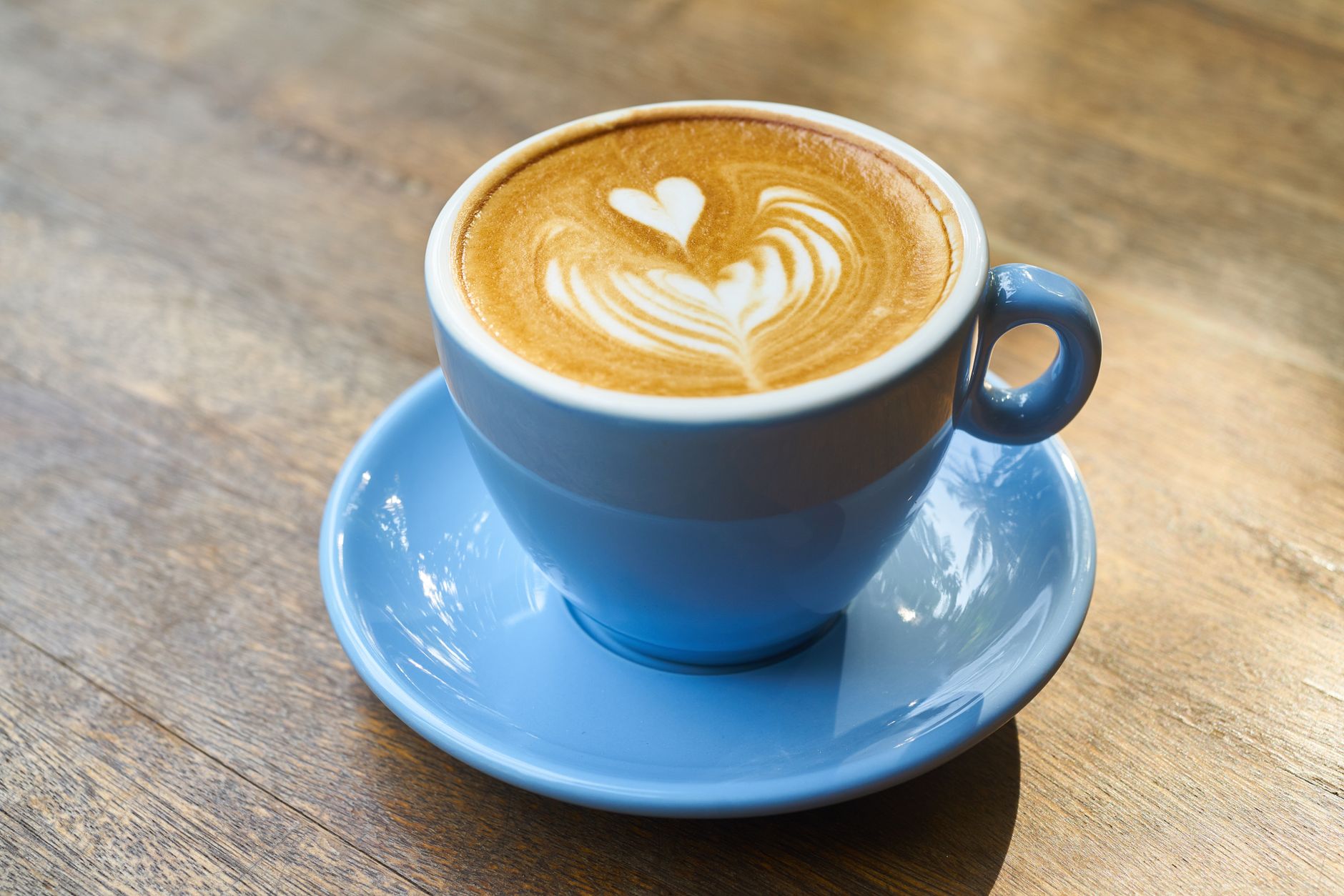
Caffeine is one of the most popular stimulants around the world, and a significant part of daily routines for many. Understanding how much caffeine is in the average cup of coffee can help you manage your caffeine intake and make informed choices about your beverages. From the type of coffee beans to the brewing method, several factors influence caffeine content.
This article will explore the average caffeine levels found in a typical cup of coffee, different types of coffee, methods of preparation, and tips for monitoring your caffeine consumption. Get ready to tune into the science of your favorite morning brew!
How Much Caffeine Does the Average Cup of Coffee Have?
The average cup of coffee (about 8 ounces) contains approximately 95 mg of caffeine. However, this amount can vary significantly based on several factors, including the type of coffee bean, brewing method, and serving size.
Factors Impacting Caffeine Levels
Several elements affect how much caffeine is present in your cup of coffee.
Type of Coffee Bean
The two most common coffee bean varieties are Arabica and Robusta. Arabica beans generally contain less caffeine but are favored for their smoother flavor. In contrast, Robusta beans are known for their strong, bitter taste and contain nearly twice as much caffeine as Arabica.
- Arabica: Approximately 60-75 mg of caffeine per 8-ounce cup.
- Robusta: Approximately 150-200 mg of caffeine per 8-ounce cup.
Brewing Method
The way coffee is brewed significantly impacts caffeine extraction. Here are some common brewing methods and their estimated caffeine content:
- Drip Brew: 95-200 mg per 8-ounce cup.
- Espresso: 63 mg per 1-ounce shot. A typical single shot has a smaller volume but a concentrated caffeine punch.
- French Press: 80-100 mg per 8-ounce cup.
- Cold Brew: 100-200 mg per 8-ounce cup, due to the extended brewing time.
- Instant Coffee: 30-90 mg per 8-ounce cup, depending on the brand and method of preparation.
Brewing Time and Temperature
Longer brewing times and higher water temperatures generally increase caffeine extraction. For instance, a French press brewed for several minutes will yield more caffeine than a quick espresso shot.
Serving Size
While a standard cup is considered to be 8 ounces, many coffee drinks served today are much larger. A Starbucks grande size (16 ounces) can double the caffeine intake, averaging around 200 mg depending on the type of coffee.
How Caffeine Affects Your Body
Caffeine has various effects on the human body. Most people consume it for its stimulant properties, which can boost alertness and reduce fatigue. However, individual responses can vary based on personal tolerance levels. It’s essential to understand both positive and adverse effects:
Positive Effects
- Increased Alertness: Caffeine blocks adenosine, a neurotransmitter that promotes sleep, thereby enhancing focus.
- Improved Physical Performance: Caffeine stimulates adrenaline, which can enhance athletic performance.
- Enhanced Mood: Regular consumption can lead to mood improvements and decreased risk of depression.
Adverse Effects
- Anxiety: High doses can lead to increased anxiety and restlessness.
- Insomnia: Consuming caffeine too close to bedtime can disrupt sleep patterns.
- Dependence: Regular high consumption may lead to caffeine dependence and withdrawal symptoms.
Recommended Daily Limit
The FDA recommends that adults limit caffeine intake to no more than 400 mg per day, which equates to about 4 cups of brewed coffee. Pregnant women and individuals with certain health conditions should consult their healthcare providers for personalized recommendations.
How to Reduce Caffeine Intake
If you’re looking to lower your caffeine consumption but still want to enjoy coffee, consider these options:
- Switch to Decaf: Decaffeinated coffee still provides a similar flavor with much lower caffeine content—about 5 mg per 8-ounce cup.
- Opt for Half-Caf: A blend of half regular and half decaffeinated coffee can help taper your intake.
- Limit Coffee Add-ins: Many popular coffee beverages contain sugary syrups or flavored creams, which can mask the bitterness of coffee and lead to larger portions.
- Choose Smaller Serving Sizes: Opt for smaller cups to help manage your overall caffeine intake.
Exploring Coffee Alternatives
If you are looking for a caffeine-free alternative to coffee that still offers warmth and satisfaction, consider the following options:
- Herbal Teas: Options like chamomile or peppermint provide soothing flavors without caffeine.
- Chicory Coffee: Made from roasted chicory root, this option has a similar taste profile to coffee.
- Mushroom Coffee: Coffee blended with medicinal mushrooms is gaining popularity for its unique flavor and purported health benefits.
Conclusion
Understanding caffeine content in coffee types and brewing methods can empower you to make informed choices about how much caffeine you wish to consume. Whether you savor a light morning brew or a full-bodied dark roast, moderation and awareness are key elements to a balanced coffee experience.
Explore your coffee preferences while keeping within recommended limits for optimal enjoyment. If you’re curious about unique coffee recipes, try out the Espresso Tonic Recipe or a delightful Protein Coffee Recipe to expand your caffeinated horizons!