
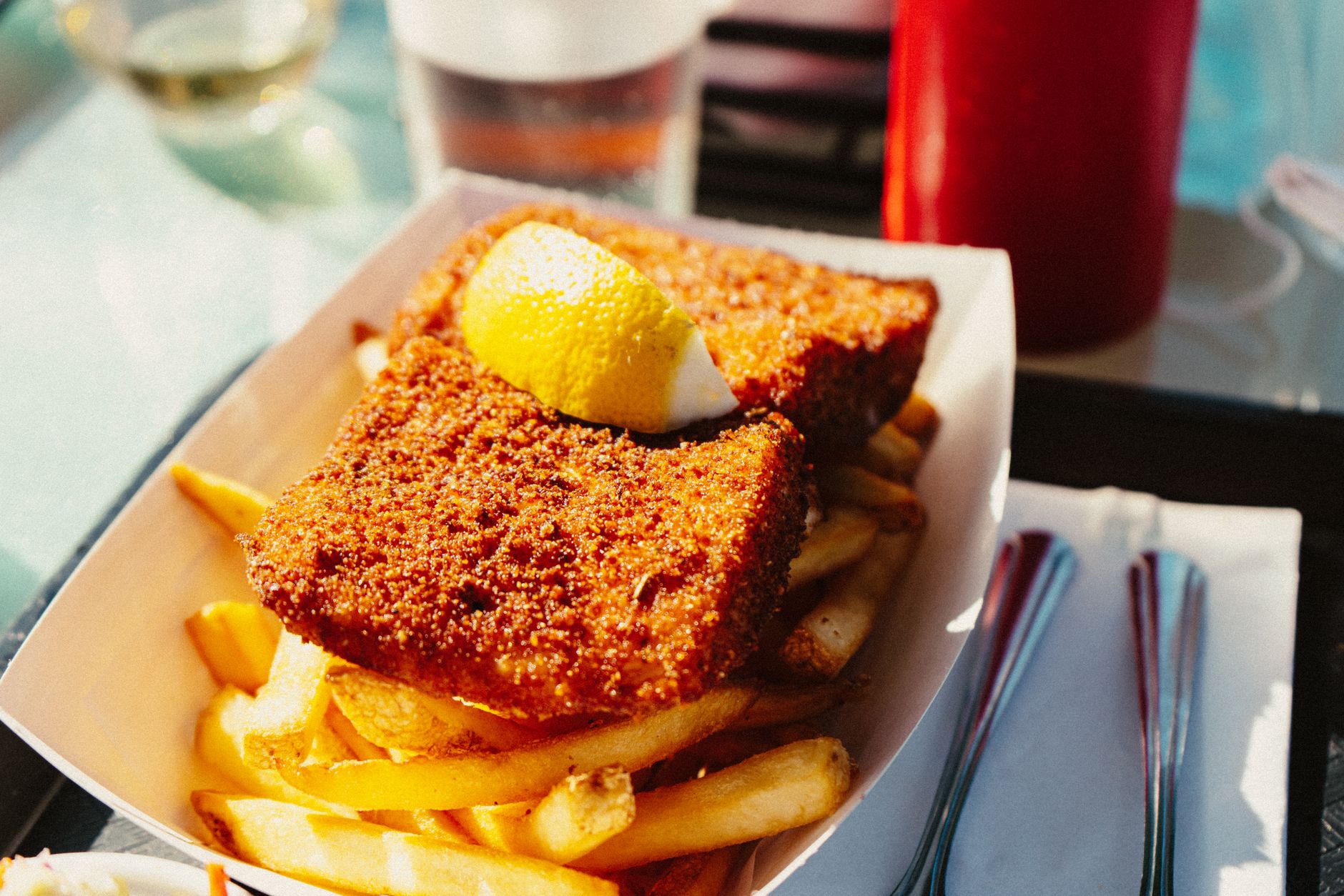
Fish fry is a cooking method that involves frying fish, typically in a batter or coating, until it becomes crispy on the outside while remaining tender and moist inside. It’s a beloved culinary tradition seen in various cultures, featuring regional flavors and unique side dishes that complement the main event. Whether enjoyed at a family gathering or a festive occasion, a fish fry brings people together over delicious food.
This article will explore the preparation, cooking techniques, serving tips, and variations of fish fry, offering practical guidance to help you host a successful fish fry that delights your guests.
What Is a Fish Fry?
A fish fry refers to both the cooking process and a social gathering where fish is the star of the meal. The fish is typically coated in batter or breadcrumbs before being deep-fried or pan-fried until golden brown. The result is a dish that is crunchy on the outside with juicy, flavorful fish within. Fish fry events often include side dishes and condiments, elevating the experience beyond the main protein.
Choosing the Right Fish for Frying
When it comes to selecting fish for frying, the texture, flavor, and oiliness of the fish matter greatly. Here are some common choices:
- Cod: A mild-flavored white fish with a flaky texture that holds up well during frying.
- Catfish: Known for its distinct flavor and firm texture, particularly popular in Southern cooking.
- Tilapia: Mild and versatile, tilapia can absorb seasoning well and is an affordable option.
- Trout: A slightly richer flavor makes trout a great choice for frying; it’s commonly found in freshwater.
- Haddock: Another flaky white fish that’s slightly sweeter than cod, often used in classic fish and chips.
Choosing a fish that is fresh and of good quality will significantly impact the final result. Look for fish that smells mild and has clear, bright eyes. When in doubt, ask your fishmonger for recommendations.
Preparation: Preparing Fish for Frying
Before frying, proper preparation of the fish is essential to achieve the perfect fish fry. Here is a step-by-step guide:
- Cleaning: Rinse the fish under cold water to remove any residual scales or debris. Pat it dry using paper towels.
- Cutting: Depending on the size of the fish, cut it into fillets or strips of even thickness to ensure uniform cooking. If using whole fish, ensure they are gutted and cleaned properly.
- Marinating: Marinating fish in a mixture of buttermilk or a simple seasoning blend can enhance flavor and tenderness. Allow it to sit for at least 30 minutes, or up to 2 hours in the refrigerator.
Breading Techniques for Fish Fry
Coating fish before frying not only adds flavor but also creates a crispy texture. Here are several popular breading methods:
- Flour Coating: Dredge the fish in all-purpose flour seasoned with salt, pepper, and any desired spices. This simple technique creates a light, crispy outer layer.
- Batter Coating: For a thicker coating, prepare a batter by combining flour, cornstarch, and cold sparkling water or beer until smooth. Dip the fish into the batter before frying.
- Breadcrumb Coating: Dip the fish in beaten eggs and then coat it in breadcrumbs, panko for an extra crunch, and season with herbs and spices. This method provides a crispy, textured exterior.
Experimenting with different coatings allows you to customize the flavor and texture to suit your preferences. For a gluten-free option, consider using almond flour or gluten-free breadcrumbs.
Frying Techniques for Fish
Two popular cooking methods for frying fish are deep frying and pan frying. Here’s a breakdown of each technique:
Deep Frying
Deep frying involves fully submerging the fish in hot oil, resulting in a crispy exterior while maintaining moisture inside. Here’s how to do it:
- Heating the Oil: Use a deep pot or fryer and heat enough oil to submerge the fish (at least 4 to 6 inches high). Use an oil with a high smoke point, such as vegetable oil, canola oil, or peanut oil. The ideal frying temperature ranges from 350°F to 375°F (175°C to 190°C).
- Testing the Oil: To ensure the oil is ready, drop a small piece of batter into the oil. If it sizzles and rises to the surface, the oil is ready.
- Frying the Fish: Carefully lower the breaded fish into the hot oil using tongs or a slotted spoon. Do not overcrowd the pot, as this can lower the oil temperature. Fry for 3 to 5 minutes or until golden brown and cooked through, turning as necessary.
- Draining the Fish: Once cooked, remove the fish and let it drain on a plate lined with paper towels to absorb excess oil.
Pan Frying
Pan frying is a method that uses less oil, making it a tad healthier while still delicious. Here’s how to achieve a great pan-fried fish:
- Heating the Pan: Heat a couple of tablespoons of oil in a large skillet over medium-high heat. Ensure the oil is hot enough (around 350°F/175°C) for frying.
- Frying the Fish: Carefully place the prepared fish in the pan, avoiding overcrowding. Fry for about 2 to 4 minutes per side, depending on the thickness, until golden brown and cooked through.
- Draining Excess Oil: Once the fish is done, remove it from the skillet and place it on a paper towel-lined plate to drain any excess oil.
Serving Suggestions for Fish Fry
A fish fry is often accompanied by a variety of sides and condiments, allowing you to create a well-rounded meal. Here are some popular options:
- Coleslaw: A crunchy, tangy salad that contrasts the fried fish beautifully.
- French Fries: Classic and comforting, crispy fries make for a hearty side.
- Tartar Sauce: A creamy, tangy dressing that pairs perfectly with fried fish. Consider homemade options with dill pickles, mayonnaise, capers, and lemon juice.
- Hush Puppies: Fried cornmeal balls that are a Southern favorite, providing a sweet and savory accompaniment.
- Lemon Wedges: Fresh lemon juice can enhance the flavor of the fish.
Don’t forget to pair your fish fry with beverages like beer, lemonade, or iced tea to complement the meal further.
Common Mistakes to Avoid
Even the most experienced cooks can encounter pitfalls while frying fish. Here are some common mistakes and how to avoid them:
- Using Cold Oil: Always use oil that has been preheated to the right temperature; cooking in cold oil leads to greasy fish.
- Overcrowding the Pan: Frying too many pieces at once can lower the oil temperature, resulting in soggy fish. Fry in batches if necessary.
- Not Draining Properly: Allowing fried fish to sit in oil can make it soggy. Drain on a paper towel right after frying.
- Skipping the Seasoning: Fish can easily be bland if not seasoned properly, so don’t forget to season your flour, batter, or breadcrumb mixture.
Make-Ahead Tips for a Fish Fry
If you’re planning a fish fry for a larger gathering, there are several tips for managing your time and ensuring everything runs smoothly:
- Prep Fish Ahead: Clean and cut the fish a day in advance, and store it covered in the refrigerator until ready to marinate and fry.
- Make Breading Beforehand: You can prepare your breading mixture in advance, storing it in a sealed container until needed.
- Condiments and Sides: Prepare dips, sauces, and side dishes a few hours ahead. Many can even be made a day in advance, allowing for maximum flavor.
- Set Up a Frying Station: Organizing your workspace with batter, breading, and frying equipment in one place will streamline the cooking process.
Storage and Reheating Guidelines
To maintain the quality of any leftover fish, proper storage is crucial. Follow these guidelines:
- Storing Leftovers: Allow the fried fish to cool completely, then store it in an airtight container in the refrigerator. Consume within 1 to 2 days for the best quality.
- Reheating: For crispy results, reheat in an oven or air fryer at 375°F (190°C) until hot, about 10-15 minutes, rather than using a microwave, which can cause sogginess.
Leftover fish can also be used in salads, tacos, or sandwiches for a different twist, ensuring nothing goes to waste!
Variations of Fish Fry Around the World
Fish fry is celebrated globally, with each region putting its unique twist on the dish. Here are a few noteworthy styles:
- New England Fish Fry: Typically served with tartar sauce and fries; includes beer-battered fish and often features haddock.
- Southern Fish Fry: Frequently utilizing catfish, served with sides like collard greens and cornbread, commonly accompanied by hot sauce.
- Fish and Chips (UK): A classic dish that pairs battered fish with thick-cut fries, often served with malt vinegar or tartar sauce.
- Battered Fish Tacos (Mexico): A popular street food, featuring battered and fried fish in corn tortillas topped with cabbage, salsa, and lime.
These variations highlight the versatility of fish fry as a dish that can adapt to different ingredients and cultural styles.
Conclusion
Fish fry is not just a cooking method; it’s a beloved culinary tradition that brings people together. With careful selection of fish, proper preparation, frying techniques, and delicious accompaniments, you can create a memorable fish fry experience either for a special occasion or a simple family meal.
As you embark on your own fish fry adventure, remember to experiment with flavors, and don’t hesitate to make it your own. For more delicious recipes, check out our fry bread recipe and learn about what fish cakes are for further culinary inspiration.