
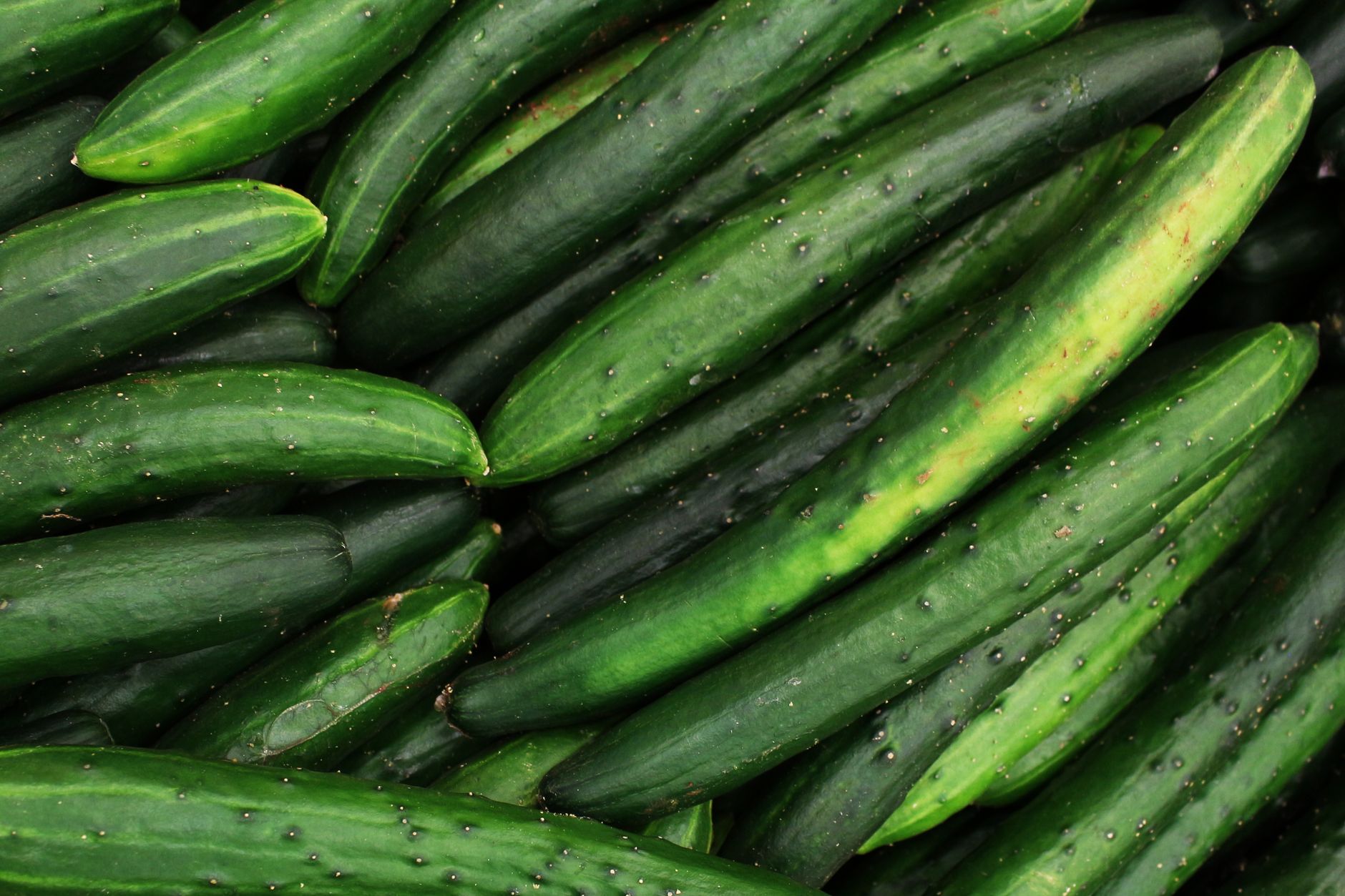
Cucumbers are a refreshing addition to salads, sandwiches, and various dishes, prized for their crisp texture and mild flavor. But when your garden or grocery store offers an abundance of cucumbers, you might wonder: can I freeze cucumbers? The answer is not straightforward, as freezing cucumbers can impact their texture and taste.
This article will guide you through the best practices for freezing cucumbers, including methods for preparation prior to freezing, optimal storage solutions, and tips for thawing and using them later on.
Can I Freeze Cucumbers?
Yes, you can freeze cucumbers, but it’s important to note that the texture will change significantly once thawed. Freezing is best for cucumbers that will be used in soups, smoothies, or sauces rather than eaten raw. If you’re planning to preserve them for later use, proper preparation is key.
Why Freeze Cucumbers?
Freezing cucumbers can be a great way to minimize food waste, especially during peak seasons when cucumbers are abundant and inexpensive. You may also want to freeze cucumbers if you have excess from a garden harvest or if they are nearing their expiration date. Freezing them allows you to enjoy this summer vegetable long after the growing season has ended.
Preparing Cucumbers for Freezing
Before freezing cucumbers, preparation is essential to maintain as much quality as possible. Here’s how to prepare cucumbers effectively:
Selecting the Right Cucumbers
Pick firm cucumbers without blemishes, soft spots, or signs of spoilage. Smaller varieties, such as pickling cucumbers, may freeze better due to their lower water content compared to larger slicing cucumbers.
Wash and Peel
- Rinse the cucumbers under cold water to remove any dirt or pesticides.
- Use a vegetable peeler to remove the skin if desired. Note that skin provides extra fiber, but peeling can help reduce texture changes.
Cutting the Cucumbers
Decide how you plan to use the cucumbers after thawing. You can either slice them, dice them, or leave them whole. Keep the following in mind:
- Slices are great for soups and dishes that require easy incorporation.
- Dices work well in smoothies or as a base for sauces.
- Whole cucumbers are ideal only if you plan to process them into a recipe that uses them entirely.
Blanching Cucumbers (Optional)
Though cucumber blanching isn’t strictly necessary, it can slightly reduce enzyme activity and help preserve the color and freshness when thawed.
- Bring a pot of water to a rolling boil.
- Prepare a bowl of ice water for shock cooling.
- Add cut cucumbers to the boiling water for about 1-2 minutes.
- Immediately transfer them to the ice water to stop the cooking process. Allow them to cool for the same amount of time they were in the boiling water.
- Drain and pat dry with a kitchen towel.
Freezing Cucumbers: The Best Methods
Once you have prepared your cucumbers, it’s time to freeze them effectively. Here are some methods to consider:
Freezing in Batches
This method involves freezing the prepared cucumbers in smaller portions, which allows for easy retrieval later.
- Spread the prepared cucumber pieces in a single layer on a baking sheet lined with parchment paper.
- Place the baking sheet in the freezer for a couple of hours or until the cucumber pieces are solid.
- Once frozen, transfer them into freezer bags or airtight containers, removing as much air as possible.
- Label the bags with the date and content.
Freezing in Brine (Great for Pickles)
If you are looking to create quick pickled cucumbers, freezing them in a brine solution is a flavorful option.
- Make a brine solution with equal parts water, vinegar, and salt. You can add sugar and spices as desired.
- Mix your sliced cucumbers in the brine, making sure they are covered.
- Store the dressed cucumbers in airtight containers, ensuring that the liquid covers all solid pieces.
- Label and freeze.
Storage Tips for Frozen Cucumbers
Proper storage is crucial to minimize freezer burn and preserve the flavor and quality of your cucumbers:
- Use vacuum-seal bags if possible, as they can remove excess air from the packaging.
- Avoid storing cucumbers for more than six months in the freezer, as prolonged storage may degrade quality.
- Keep your freezer at a consistent temperature of 0°F (-18°C) or lower.
- Write the date on the containers or bags to track storage time easily.
Thawing Frozen Cucumbers
Thawing frozen cucumbers is different from thawing other vegetables due to their high water content. Here are effective methods to thaw them:
Refrigerator Thawing
The best way to thaw frozen cucumbers is slowly in the refrigerator. This method retains texture better.
- Remove the desired amount of cucumbers from the freezer.
- Place them in the refrigerator for several hours or overnight until thawed.
Quick Thawing
For immediate use, you can quickly thaw cucumbers by:
- Placing them in a bowl of cold water (for about 30 minutes) to speed up the thawing process.
- Microwaving for short intervals, but this may lead to skipped texture.
Using Thawed Cucumbers
Thawed cucumbers can be versatile, but they are best suited for cooked dishes or blended recipes. Here are some tasty applications:
- Add thaws to smoothies for a refreshing flavor.
- Incorporate thawed cucumbers into soups or sauces like gazpacho or cucumber soup.
- Mix them with yogurt, spices, and herbs for a delicious dip.
- Use thawed cucumbers in stir-fries or sautés, where the textural change is less noticeable.
Common Mistakes When Freezing Cucumbers
When freezing cucumbers, there are several pitfalls to avoid to maintain the best possible vegetable quality.
- Failing to wash cucumbers can lead to contamination and diminished flavor once thawed.
- Not drying cucumbers sufficiently can result in ice crystals and freezer burn.
- Using old or mushy cucumbers is a mistake, as their quality will further deteriorate during freezing.
- Not labeling containers can lead to confusion and underutilization after thawing.
Conclusion
Freezing cucumbers is a practical way to preserve their unique taste and nutritional benefits for future use. While the resultant texture may not be suitable for salads or fresh eating, you’ll find plenty of opportunities to incorporate thawed cucumbers into your cooking routines. With proper preparation and freezing techniques, you can enjoy cucumbers long after their peak season.
To learn more about freezing or to explore delicious ways to use cucumbers, check out these recipes: Can You Freeze Cupcakes? and Thai Cucumber Salad Recipe.