
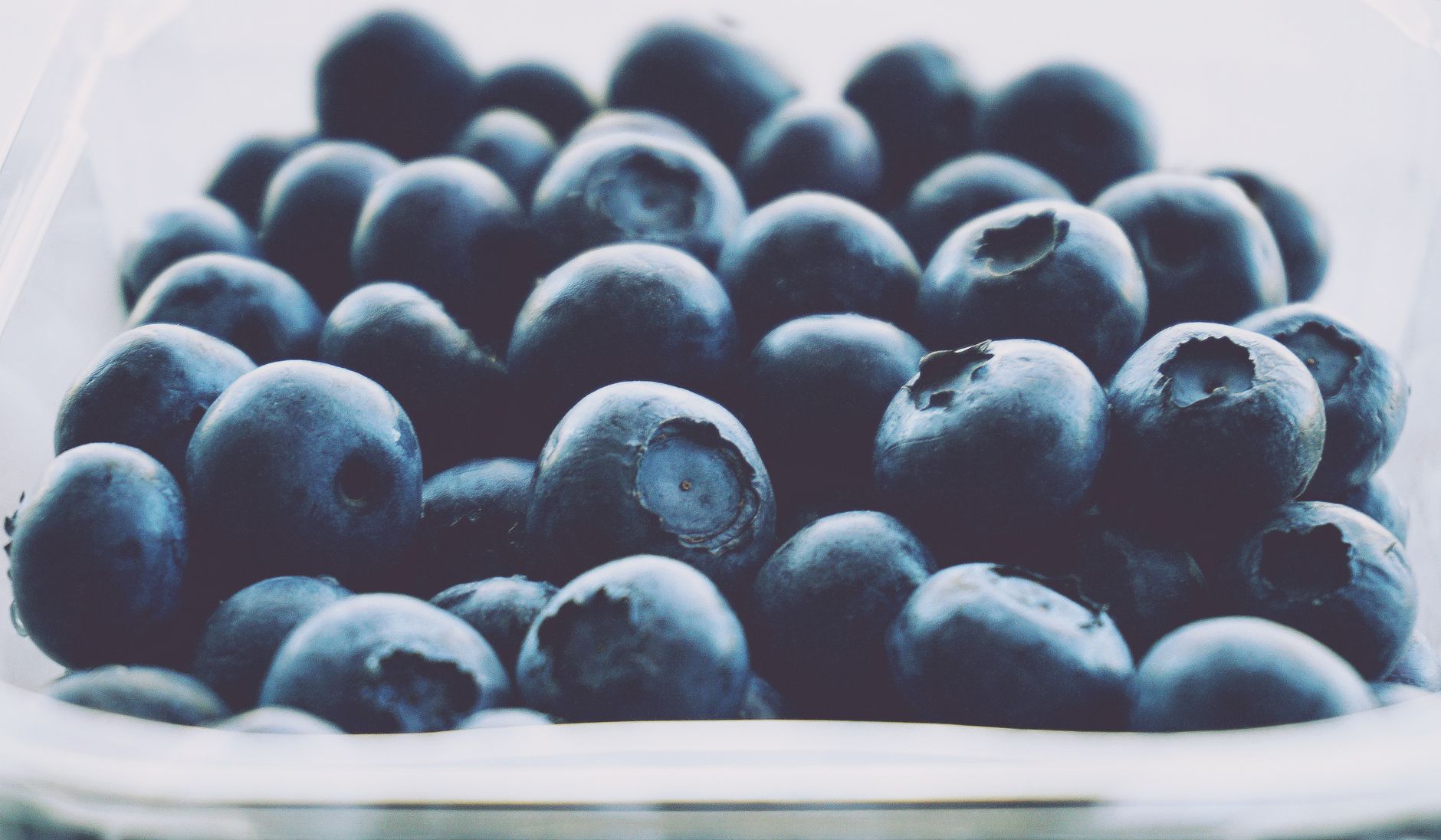
Many people enjoy blueberries for their vibrant color, sweet taste, and how easy they are to incorporate into various dishes. But when it comes to defining them, a common question arises: Is blueberry a fruit? Understanding blueberries’ classification, nutritional profile, and culinary uses not only satisfies our curiosity but also enhances our appreciation of this delightful ingredient.
In this article, we will delve into the botanical classification of blueberries, explore their health benefits, outline how to use them in cooking and baking, and share practical tips for selecting, storing, and enjoying this delicious fruit.
Is Blueberry a Fruit?
Yes, blueberries are classified as fruits. More specifically, they are a type of berry from the genus Vaccinium. Botanically speaking, fruits develop from the flowering part of plants and contain seeds, and blueberries meet these criteria. This classification places them among other delicious fruits, such as strawberries, raspberries, and blackberries.
Botanical Classification of Blueberries
Blueberries belong to the Ericaceae family, which includes various shrubs, primarily found in temperate regions. Their genus, Vaccinium, comprises different species, but the most commonly cultivated type is Vaccinium corymbosum, or the northern highbush blueberry. Here’s a brief breakdown of the classification:
- Kingdom: Plantae
- Clade: Angiosperms
- Clade: Eudicots
- Clade: Asterids
- Order: Ericales
- Family: Ericaceae
- Genus: Vaccinium
- Species: Vaccinium corymbosum (Northern Highbush Blueberry)
Nutritional Profile of Blueberries
Blueberries are not just a tasty fruit; they are also packed with nutrients and health benefits. Here’s a general insight into the nutritional composition of one cup (148 grams) of fresh blueberries:
- Calories: 84
- Carbohydrates: 21 grams
- Fiber: 4 grams
- Sugars: 15 grams
- Protein: 1 gram
- Fat: 0.5 grams
Beyond these macronutrients, blueberries are known for their rich antioxidant content, particularly anthocyanins, which contribute to their blue color and provide various health benefits like reducing inflammation and enhancing cardiovascular health.
Culinary Uses of Blueberries
Blueberries are incredibly versatile and can be enjoyed in numerous ways. They can be eaten fresh, added to dishes, or even baked into treats. Here are some popular uses:
In Breakfast Dishes
Blueberries can brighten up your breakfast options, adding flavor and nutrition. Consider the following:
- Pancakes: Fold fresh blueberries into pancake batter for a delicious twist.
- Oatmeal: Top your bowl of oatmeal with blueberries, nuts, and a drizzle of honey.
- Smoothies: Blend blueberries with yogurt, spinach, and other fruits for a nutritious smoothie.
In Home Baking
Blueberries are especially popular in baking, lending natural sweetness and moisture to recipes. Some classic baked goods include:
- Muffins: Blueberry muffins are a breakfast or snack favorite.
- Pies: A blueberry pie combines fresh fruit in a flaky crust, a treat for any occasion.
- Crumbles: Baked blueberry crumbles topped with oats and brown sugar create a decadent dessert.
In Salads and Savory Dishes
Blueberries can bring a burst of sweetness to salads and savory dishes. Some ideas include:
- Salads: Toss fresh blueberries into a spinach salad with goat cheese and walnuts for a delightful flavor combination.
- Sauces: Create a blueberry sauce to drizzle over grilled meats, enhancing the dish’s flavor.
How to Select Quality Blueberries
When shopping for blueberries, whether at a grocery store or farmers’ market, consider the following tips for selecting the best quality fruit:
- Color: Look for plump, deep blue berries with a dusty white bloom, which indicates freshness.
- Size: Choose berries that are firm and free of wrinkles or soft spots.
- Container: Inspect the container to ensure no mold or moisture is trapped, as this could indicate spoilage.
Storing Blueberries
Proper storage extends the life of fresh blueberries, allowing you to enjoy them longer. Here are key storage tips:
- Refrigeration: Store fresh blueberries in a breathable container in the refrigerator. They can last up to a week.
- Freezing: If you need to preserve them further, wash, dry, and freeze blueberries on a baking sheet. Once frozen, transfer them to a zip-top bag for long-term storage.
Common Mistakes in Cooking with Blueberries
To make the most out of blueberries in your cooking endeavors, keep these common mistakes in mind:
- Overcooking: In baked goods, overcooking blueberries can cause them to burst and lose their flavor.
- Using Unripe Berries: Choose ripe berries for a sweeter flavor; unripe berries tend to be tart.
- Neglecting to Wash: Always rinse blueberries before using them to remove any dirt or pesticide residue.
Blueberry Recipe Ideas
Incorporating blueberries into your meals can be both fun and rewarding. Here are a few recipe ideas to help you explore cooking with this fruit:
Blueberry Muffins
These fluffy muffins are perfect for breakfast or a snack. They have a delightful sweetness from the blueberries and a soft texture that is hard to resist.
- Yield: 12 muffins
- Preparation Time: 15 minutes
- Cooking Time: 20-25 minutes
- Total Time: 40 minutes
Ingredients:
- 1 ½ cups all-purpose flour
- ½ cup sugar
- 2 tsp baking powder
- ½ tsp baking soda
- ¼ tsp salt
- 1 large egg
- ½ cup unsalted butter, melted
- ¾ cup buttermilk
- 1 cup fresh blueberries
Essential Equipment:
- Muffin tin
- Baking cups or spray
- Mixing bowls
- Whisk
- Spoon or spatula
Method:
- Preheat the oven to 350°F (175°C). Line the muffin tin with baking cups or grease with spray.
- In a large bowl, whisk together the flour, sugar, baking powder, baking soda, and salt.
- In another bowl, combine the egg, melted butter, and buttermilk. Mix until combined.
- Pour the wet ingredients into the dry ingredients and gently mix until just combined. Be careful not to overmix.
- Fold in the blueberries gently.
- Distribute the batter evenly among the muffin cups, filling them about 2/3 full.
- Bake for 20-25 minutes, or until a toothpick inserted into the center comes out clean.
- Let cool in the pan for 5 minutes before transferring to a wire rack to cool completely.
Health Benefits of Blueberries
Adding blueberries into your diet offers a range of potential health benefits. They are known for:
- Antioxidants: Blueberries are high in antioxidants, which help combat oxidative stress in the body.
- Heart Health: Regular consumption may lower blood pressure and cholesterol levels, promoting a healthy heart.
- Memory Support: Some studies suggest that blueberries may improve memory and cognitive function.
Blueberry Substitutions and Variations
If you don’t have blueberries on hand or want to switch things up, consider these substitutions:
- Blackberries: They have a similar flavor profile and can be used interchangeably in most recipes.
- Cherries: Pitted and chopped cherries can approximate the sweetness of blueberries.
- Raspberries: These will introduce a slightly tart flavor but remain a beautiful addition to dishes.
Conclusion
Blueberries are indeed a fruit that offers a delightful taste and numerous health benefits. Whether you enjoy them fresh or in baked goods, recognizing their versatility can elevate your culinary adventures. Take the time to select quality blueberries, experiment in the kitchen, and savor all that this magnificent berry has to offer.
For more on blueberries, consider reading about how long blueberries last or discover how many blueberries in a serving.