
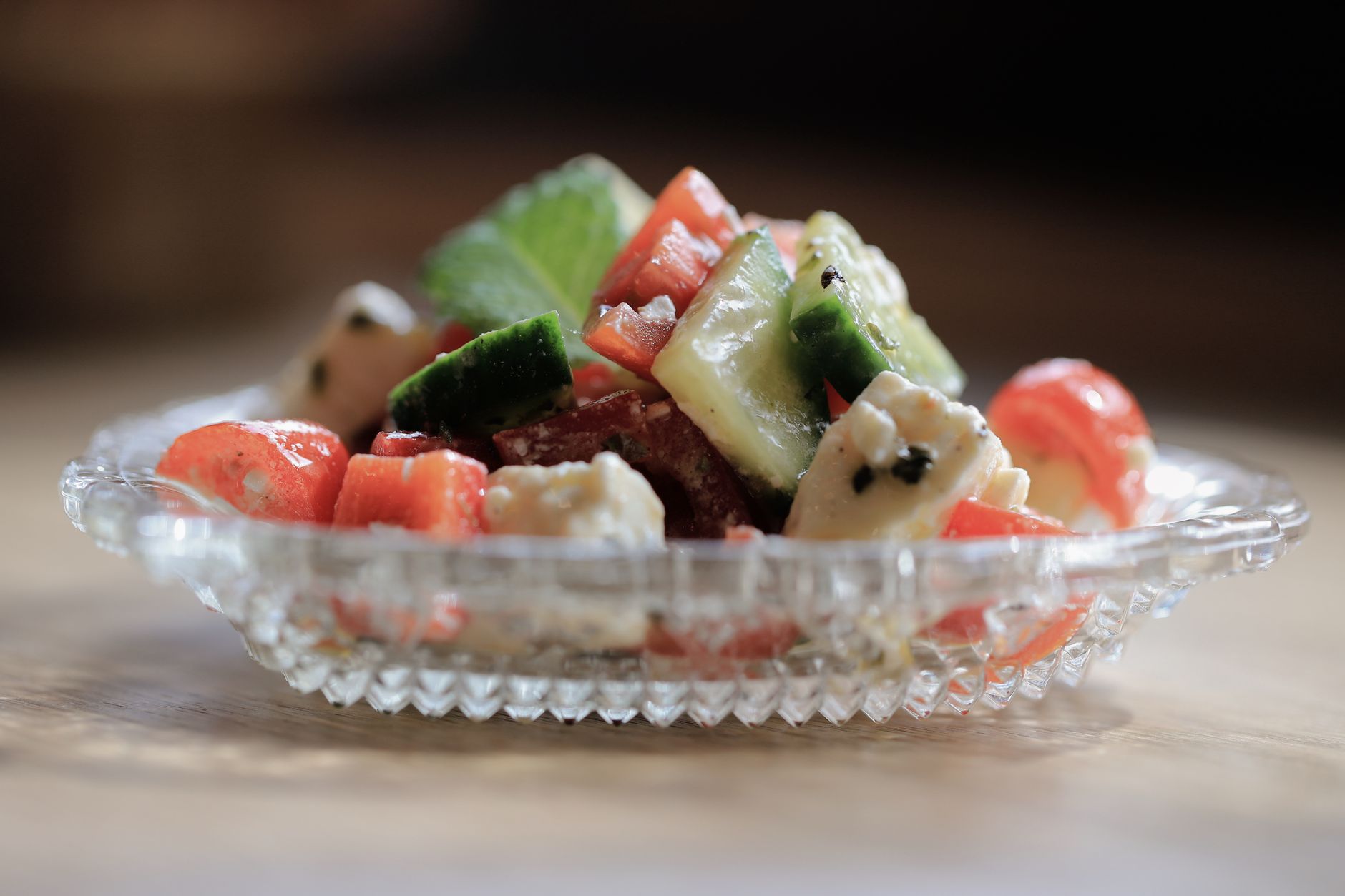
Many people with dietary sensitivities or allergies are concerned about histamine levels in foods. Feta cheese, with its tangy flavor and crumbly texture, often raises questions regarding its histamine content. Understanding whether feta is low in histamine can help those with histamine intolerance make informed dietary choices.
In this article, we will explore the histamine content of feta cheese, its nutritional profile, and how it fits into a low-histamine diet. We will also look at potential alternatives, cooking techniques, and practical tips for incorporating feta cheese into your meals.
Is Feta Low Histamine?
Feta cheese is generally considered to be on the medium to high end of the histamine spectrum. This means that it may not be suitable for everyone, especially those with histamine intolerance. Factors such as the fermentation process, aging, and storage can influence the histamine levels in feta cheese.
Typically, fresh cheeses like feta have lower histamine levels compared to aged cheeses. However, the histamine content can still vary based on specific brand, preparation methods, and storage conditions. Individuals with histamine intolerance should proceed with caution and may need to monitor their reactions to feta cheese.
Understanding Histamine Intolerance
Histamine is a naturally occurring compound involved in various bodily functions, including immune responses and gastric acid secretion. Some individuals may have difficulty breaking down histamine due to a deficiency in the enzyme diamine oxidase (DAO). This can lead to symptoms such as headaches, digestive issues, skin rashes, and respiratory problems when consuming histamine-rich foods.
A low-histamine diet is designed to minimize the intake of foods high in histamine to manage these symptoms. Knowing the histamine levels in various foods, including cheeses like feta, is crucial for those adhering to this dietary approach.
Nutritional Profile of Feta Cheese
Feta cheese offers a variety of nutrients, making it a favorable addition to many dishes, provided it fits within your dietary restrictions. Here are the nutritional highlights of feta cheese per 1 oz (28 grams):
- Calories: 75
- Protein: 4 grams
- Fat: 6 grams
- Carbohydrates: 1 gram
- Calcium: 14% of the Daily Value (DV)
- Sodium: 14% of the DV
Feta cheese is rich in calcium, which is essential for bone health, and it also provides some protein, making it a good addition to salads, sandwiches, and various dishes. However, one should consider its sodium content, especially if monitoring salt intake.
How Feta is Made
Feta cheese is traditionally made from sheep’s milk or a combination of sheep and goat’s milk. The cheese undergoes a fermentation process that contributes to its distinct flavor and texture. Here’s an overview of the typical steps involved in making feta:
- **Milk Preparation**: Fresh milk is warmed and a starter culture is added.
- **Curd Formation**: Rennet is added to curdle the milk, forming solids.
- **Curd Cutting**: The curd is cut into small cubes and allowed to rest.
- **Whey Drainage**: The whey is drained off, leaving the curds behind.
- **Salting**: The curds are salted and packed into containers, allowing them to age.
- **Aging**: Feta is typically aged for at least a few months, developing its characteristic tangy flavor.
The aging process is critical because it can increase histamine levels. Fresh feta, which may be available from local producers, might be a better choice for those seeking lower histamine options.
Alternatives to Feta Cheese for a Low Histamine Diet
If you or someone you know is sensitive to histamine, it may be best to explore other cheese options that are typically lower in histamine. Some alternatives to feta cheese include:
- **Mozzarella**: Fresh mozzarella is generally low in histamine and can be used in salads.
- **Cream Cheese**: This is also a fresh cheese option that can serve as a spread or ingredient in many recipes.
- **Ricotta**: Creamy and versatile, ricotta can be used in both savory and sweet dishes.
- **Cottage Cheese**: Another fresh option, cottage cheese can be added to various meals for protein and texture.
Keep in mind that individual responses may vary, and it’s often best to try small amounts of any new food to assess your tolerance.
Cooking Techniques for Feta Cheese
Feta cheese can be used in a variety of dishes, lending its tangy flavor and crumbly texture to salads, pastas, and more. Here are practical cooking techniques to consider:
Crumbled Feta as a Topping
Crumbling feta over salads, baked vegetables, or pasta dishes is a quick and flavorful way to use this cheese. Here’s a simple method:
- **Preparation**: Use your fingers or a fork to crumble the feta into small pieces.
- **Topping**: Sprinkle the crumbled feta evenly over your desired dish.
- **Drizzle**: For added flavor, consider a light drizzle of olive oil or a balsamic reduction over the top.
Baking with Feta
Baking feta can enhance its flavor profile while it softens in the oven. Here’s a method for creating a baked feta appetizer:
- **Preheat**: Preheat your oven to 400°F (200°C).
- **Prepare Baking Dish**: Place a block of feta in a small baking dish. Surround it with tomatoes, olives, and herbs.
- **Drizzle**: Drizzle olive oil over the feta and vegetables.
- **Bake**: Bake for about 20-25 minutes, or until the feta is soft and slightly golden.
- **Serve**: Serve with crusty bread for dipping.
Tips for Incorporating Feta into Your Meals
When using feta cheese, consider these tips to enhance your dishes while being mindful of histamine levels:
- **Use Fresh Feta**: Opt for fresh feta when possible, as it typically has lower histamine levels.
- **Combine with Low Histamine Foods**: Pair feta with fresh vegetables, herbs, and grains that are also lower in histamine.
- **Limit Aging**: Be cautious with aged feta, as this may contain higher histamine levels.
- **Moisture Matters**: Feta kept in brine may have lower histamine levels than crumbled feta, which can dry out.
Common Mistakes with Feta Cheese
When using feta cheese in cooking and meal preparation, several common mistakes can occur:
- **Not Checking Labels**: Different brands can have varying sodium and histamine levels, so always check nutrition labels.
- **Using Aged Feta in Fresh Dishes**: Using aged feta where fresh is called for can overpower the dish.
- **Overloading with Salt**: Since feta is already salty, consider reducing added salt in recipes to avoid excessive sodium intake.
Storage and Shelf Life of Feta Cheese
Proper storage of feta cheese is essential for maintaining its quality and reducing histamine formation:
- **Refrigeration**: Store feta cheese in the refrigerator and always keep it in its brine if unopened.
- **Sealed Containers**: After opening, use airtight containers to prevent exposure to air and moisture, which can promote spoilage.
- **Consume Quickly**: For the best taste, consume opened feta within one week. If it starts to smell or discolor, it’s best to discard it.
Conclusion
Feta cheese can be a delicious addition to a variety of dishes, but those with histamine intolerance should use caution. While it may not always rank as a low-histamine option, embracing fresh feta and combining it with low-histamine foods can create enjoyable meals.
For those exploring alternatives, consider options like mozzarella or ricotta. These cheeses can offer similar textures and flavors while being gentler on histamine levels.
Now that you have a better understanding of feta cheese and its place in a low-histamine diet, consider exploring some alternative cheese recipes for your next meal. Check out this queso fresco recipe or a nutritious cottage cheese bagel recipe for some inspiration.