
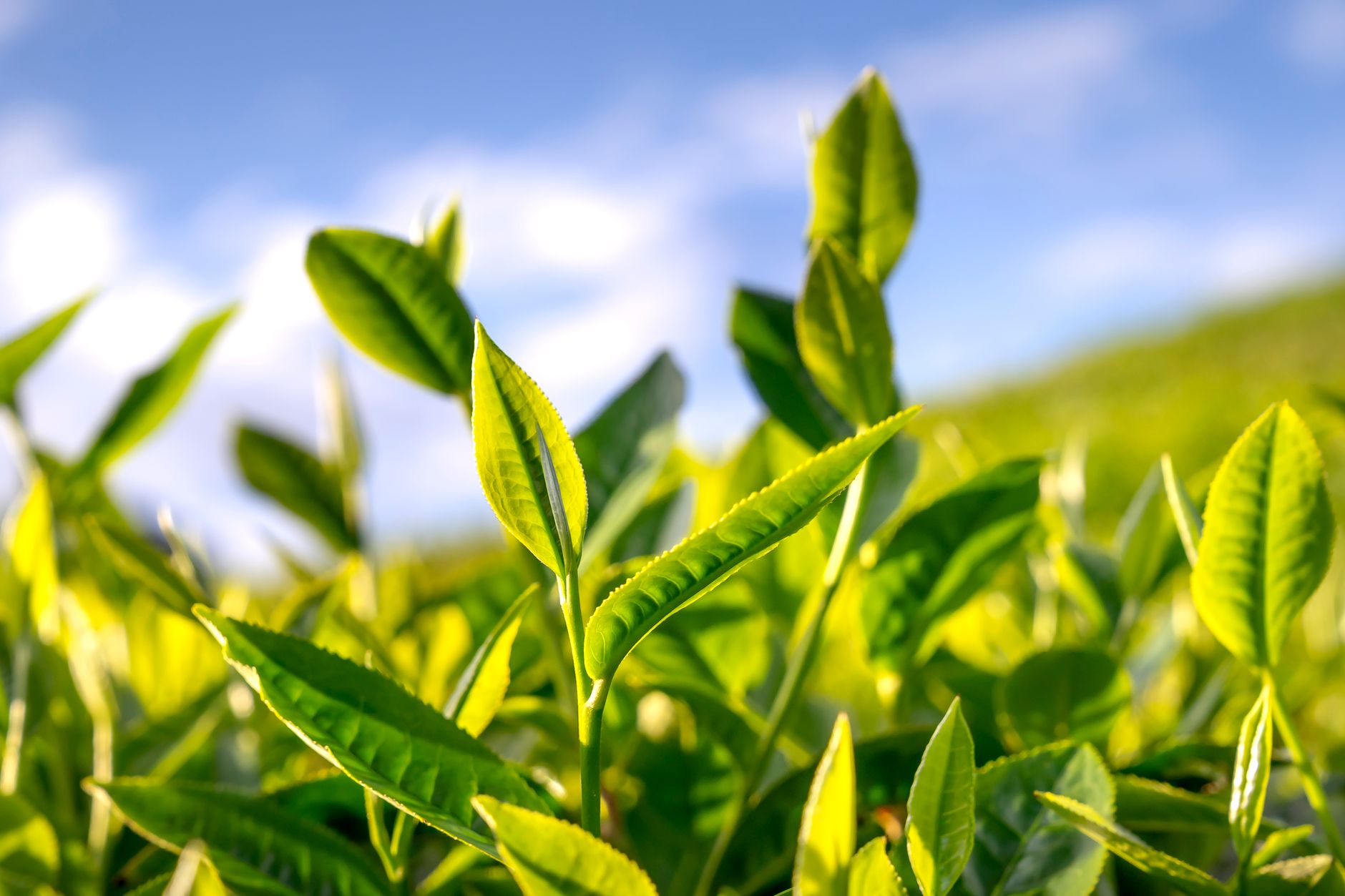
Tea leaves are a common ingredient in many beverages around the world, enjoyed for their flavor and health benefits. However, many people wonder if it is safe or advisable to eat tea leaves directly. This article explores the answer to that question, delving into the culinary possibilities, health implications, and ideas for incorporating tea leaves into your meals.
In this comprehensive guide, we will discuss what tea leaves are, their nutritional content, potential benefits, serving suggestions, and how to incorporate them into recipes. If you’ve ever considered using those leftover tea leaves, keep reading!
Can You Eat Tea Leaves?
Yes, you can eat tea leaves! While they are not typically consumed in their raw form, there are several culinary uses for both dry and brewed tea leaves. They can be added to various dishes for flavor, texture, and health benefits. However, it’s important to consider the type of tea leaves and how they are processed before incorporating them into your diet.
What Are Tea Leaves?
Tea leaves come from the Camellia sinensis plant, which is the source of all true teas, including green, black, white, and oolong teas. The processing methods differentiate these types, influencing their flavors, aromas, and colors. Each variety offers a unique set of properties, which can enhance culinary applications.
Nutritional Content of Tea Leaves
Fresh and dry tea leaves are rich in nutrients, including:
- Antioxidants: Tea leaves contain polyphenols and flavonoids that can help combat oxidative stress in the body.
- Vitamins: They can provide vitamins like vitamin C, vitamin K, and some B vitamins.
- Minerals: Tea leaves are a source of minerals such as manganese, potassium, and magnesium.
While the quantities consumed in typical serving sizes are small, they contribute beneficial compounds that may support overall health when eaten regularly.
Health Benefits of Eating Tea Leaves
Incorporating tea leaves into your diet can provide several potential health benefits, including:
- Antioxidant Properties: The antioxidants found in tea leaves may help reduce inflammation and promote heart health.
- Digestive Health: Consuming tea leaves may aid digestion and promote a healthy gut flora.
- Weight Management: Some studies suggest that tea leaves may assist in metabolism and fat oxidation.
However, it’s essential to consume them mindfully and consider individual health conditions or sensitivities.
How to Prepare and Use Tea Leaves in Cooking
If you’re planning to eat tea leaves, here are practical ways to prepare and incorporate them into your meals:
1. Infusing Flavor in Dishes
You can use both dry and brewed tea leaves to add flavor to various dishes.
- Dry Leaves: Dry tea leaves can be crushed and added to soups, sauces, or marinades for flavor enhancement.
- Brewed Leaves: Brewed tea leaves can add moisture and flavor to rice dishes or stir-fries. Simply chop them finely and mix them in at the end of cooking.
2. Baking with Tea Leaves
Incorporating tea leaves in baked goods lends a subtle flavor profile:
- Bread: Add crushed dry tea leaves to bread dough for an aromatic twist.
- Cakes and Muffins: Mix finely ground tea leaves into cake batter to enhance flavor.
3. Making Tea-Infused Condiments
Creating sauces or dressings infused with tea leaves can be an exciting culinary adventure:
- Tea-Infused Vinaigrette: Brew your favorite tea and mix it with oil, vinegar, and herbs for a unique salad dressing.
- Varied Marinades: Integrate brewed tea leaves into marinades before grilling meats or vegetables.
4. Tea Leaf Salad
Consider making a salad incorporating tea leaves. Simply combine fresh herbs, vegetables, and finely chopped tea leaves for a refreshing experience.
Common Types of Tea Leaves to Eat
Different types of tea leaves vary in flavor and nutritional content. Here are some common varieties:
1. Green Tea Leaves
Green tea leaves are lightly processed and known for their delicate flavor and high antioxidant content. They can be eaten whole or ground into a powder for culinary use, such as in matcha desserts.
2. Black Tea Leaves
Black tea leaves are fully oxidized, offering a robust flavor. They can be used to season meats and soups and work well in marinades for their strong aroma.
3. Oolong Tea Leaves
Oolong tea leaves are partially oxidized, producing a unique flavor profile. Their versatility allows them to be added to both savory and sweet dishes.
4. Herbal Tea Leaves
Herbal tea leaves, while not made from the Camellia sinensis plant, often hold unique flavors that can be enjoyed in various dishes. Look for health benefits specific to the herb used, such as chamomile or mint.
Practical Tips for Eating Tea Leaves
When incorporating tea leaves into your diet, consider the following tips:
- Start Small: If you’re new to eating tea leaves, begin with small amounts and gradually include more to gauge your body’s response.
- Choose Quality Leaves: Opt for high-quality organic tea leaves free from pesticides and additives for the best culinary experience.
- Check Caffeine Level: Choose low-caffeine or caffeine-free options if you are sensitive to caffeine, particularly in powered teas.
Common Mistakes to Avoid
When experimenting with tea leaves, there are some common mistakes to watch out for:
- Using Too Much: Overdoing it with tea leaves can result in a bitter flavor. Stick to smaller quantities initially.
- Not Grinding Properly: If using dry leaves, ensure they are ground finely to improve texture and flavor release.
- Ignoring Allergies: Check for allergies or intolerances before adding tea leaves to your diet.
How to Store Tea Leaves
Proper storage extends the freshness of tea leaves, whether they are whole or ground. Here are some storage tips:
- Airtight Containers: Store tea leaves in airtight containers to protect them from air and moisture.
- Cool, Dark Places: Keep your tea leaves in a cool, dark, and dry location away from direct sunlight.
- Labeling: If you have various types of tea leaves, label them clearly for easy identification.
Serving Ideas and Recipes with Tea Leaves
There are numerous ways to enjoy tea leaves in your meals. Here are a few serving ideas to inspire you:
1. Green Tea Rice
Ingredients:
- 1 cup basmati rice
- 2 cups water
- 1 tablespoon dried green tea leaves, finely chopped
- Pinch of salt
Instructions:
- Rinse the rice until the water runs clear.
- In a pot, add water, rice, salt, and green tea leaves.
- Bring to a boil, then cover and simmer on low heat for 15-20 minutes until the rice is tender.
- Fluff the rice with a fork and serve warm.
2. Tea-Infused Chicken Marinade
Ingredients:
- 2 chicken breasts
- 1/4 cup brewed black tea
- 2 tablespoons olive oil
- 1 tablespoon soy sauce
- 1 teaspoon garlic powder
- Salt and pepper to taste
Instructions:
- In a bowl, mix brewed tea, olive oil, soy sauce, garlic powder, salt, and pepper.
- Add chicken breasts and marinate in the refrigerator for 1-2 hours.
- Grill or bake the chicken until cooked through.
- Serve with your favorite side dishes.
3. Matcha Green Tea Muffins
Ingredients:
- 1 cup flour
- 1/2 cup sugar
- 2 teaspoons matcha green tea powder
- 1/2 cup milk
- 1/4 cup vegetable oil
- 1 egg
- 1 teaspoon baking powder
- Pinch of salt
Instructions:
- Preheat the oven to 350°F (175°C) and line a muffin tin with cups.
- In a bowl, whisk together flour, sugar, matcha powder, baking powder, and salt.
- In another bowl, mix milk, vegetable oil, and egg.
- Combine wet and dry ingredients, mixing until just combined.
- Pour batter into muffin cups and bake for 18-20 minutes or until a toothpick comes out clean.
Conclusion
Tea leaves are not just for steeping; they can be a delightful addition to various dishes, enhancing flavor and nutrition. Whether you opt for a savory dish or sweet treat, using tea leaves creatively can offer new taste experiences. Start experimenting with loose tea leaves in your cooking today.
For more beverage-related ideas, check out our dandelion tea recipe or learn what black tea can do for you. There’s always something tasty waiting to be discovered!