
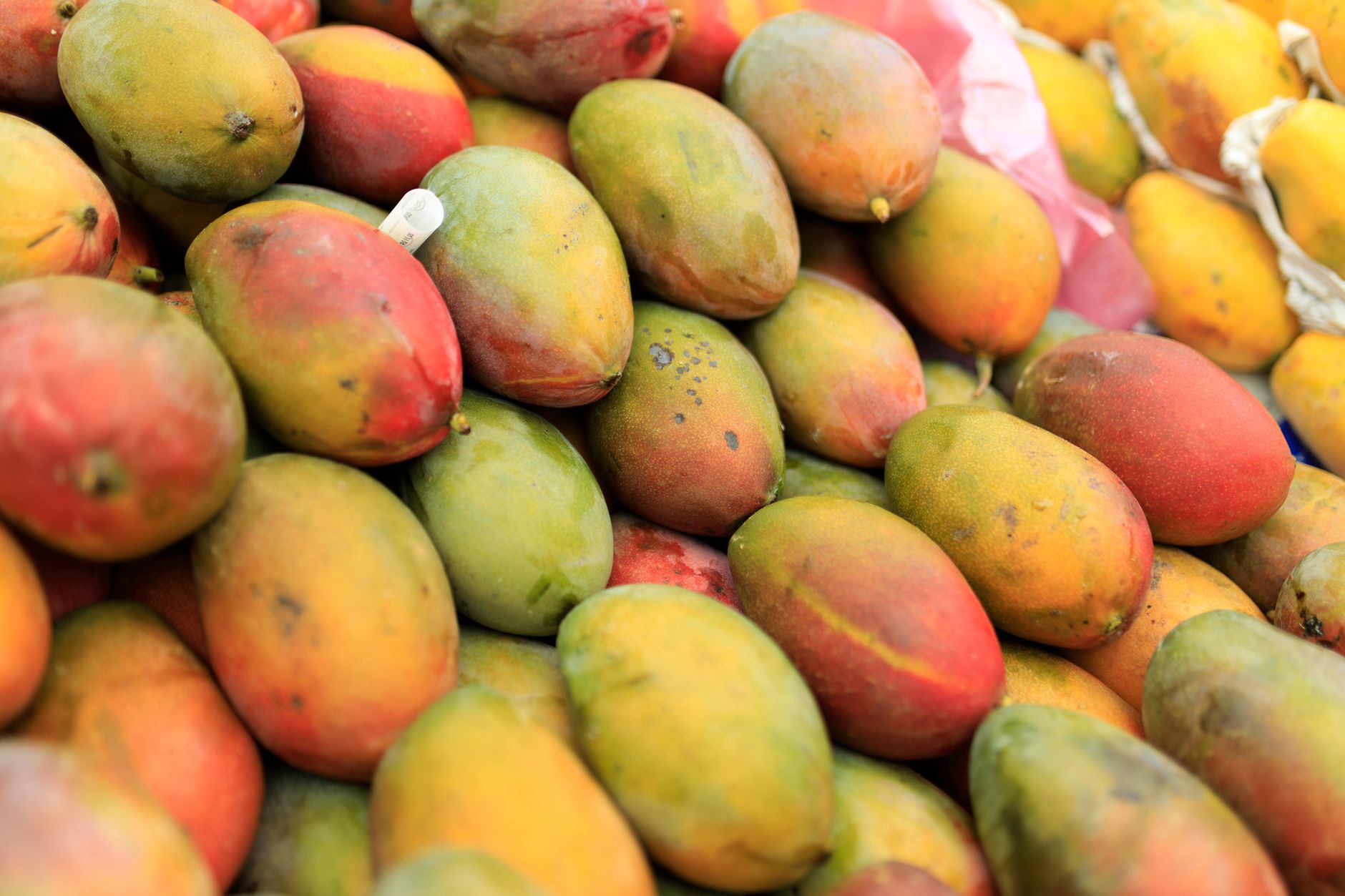
Mangoes are not only a delicious tropical fruit, but they also offer a variety of nutritional benefits. Knowing how many calories are in a mango can help you make informed dietary choices. This guide will explore the calorie content of mangoes, their nutritional profile, and how to incorporate them into your meals in a healthy way.
In this article, we’ll discuss the average calorie count per serving size, nutritional information, potential health benefits, and practical usage tips for mangoes in your daily diet.
How Much Calories Does a Mango Have?
One medium-sized mango, which weighs about 200 grams, contains approximately 150 calories. This calorie count can vary slightly based on the specific variety of mango and its ripeness. Mangoes are not only low in calories but are also packed with nutrients, making them a great addition to a balanced diet.
Nutritional Profile of Mangoes
In addition to calories, it’s essential to understand the nutritional composition of mangoes to appreciate their health benefits fully. Below is a breakdown of the main nutrients found in a medium-sized mango:
| Nutrient | Amount per medium mango (200g) |
|---|---|
| Calories | 150 |
| Carbohydrates | 35g |
| Sugars | 31g |
| Dietary Fiber | 5g |
| Protein | 2g |
| Fat | 0.6g |
| Vitamin C | 60mg |
| Vitamin A | 180µg |
| Folate | 71µg |
| Potassium | 425mg |
Health Benefits of Mangoes
Mangoes offer numerous health benefits, thanks to their rich nutrient profile. Here are some notable benefits:
- Rich in Antioxidants: Mangoes are high in antioxidants, which help combat oxidative stress and free radical damage in the body.
- Boost Immune Function: With high levels of Vitamin C, mangoes can help strengthen the immune system and promote overall health.
- Good for Digestion: The dietary fiber content in mangoes promotes healthy digestion and can help prevent constipation.
- Improve Eye Health: The Vitamin A content in mangoes supports eye health and may reduce the risk of age-related macular degeneration.
- Maintain Healthy Skin: Antioxidants and vitamins in mangoes can help maintain skin health and may improve the skin’s appearance.
Portion Control and Serving Suggestions
When incorporating mangoes into your diet, portion control is important, especially if you’re monitoring your calorie intake. A typical serving size of mango is about one cup of diced mango, which contains roughly 100 calories. Here are some practical serving suggestions:
- Breakfast: Add sliced mango to your morning yogurt or oatmeal for a sweet and nutritious kick.
- Salads: Dice mango to toss into salads for a refreshing burst of flavor.
- Smoothies: Use mango in smoothies along with greens and yogurt for a nutrient-packed drink.
- Desserts: Enjoy fresh mango or use it as a topping for desserts like ice cream or panna cotta.
- Snacks: Slice mango for a healthy snack option that satisfies a sweet craving.
How to Choose and Store Mangoes
Selecting ripe mangoes is essential for maximizing flavor and sweetness. Here are tips on how to choose a good mango:
- Look for mangoes that yield slightly to gentle pressure. They should feel soft but not overly mushy.
- Check the color; ripe mangoes often develop yellow and orange hues, but this can vary by variety.
- Smell the stem area; a sweet fragrance indicates ripeness.
Once you’ve selected your mangoes, proper storage can help them last longer:
- If the mango is not yet ripe, store it at room temperature until it ripens.
- Once ripe, refrigerate your mango to extend its shelf life. It usually lasts about 5-7 days in the fridge.
- For longer storage, you can peel, dice, and freeze mango pieces. Frozen mango can last for about 6-12 months.
Cooking with Mangoes
Mangoes are incredibly versatile and can be used in a variety of dishes. Here are a few ideas for incorporating mangoes into your cooking:
Mango Salsa
This vibrant salsa enhances grilled meats and seafood perfectly. Simply combine diced mango with diced red onion, jalapeño, cilantro, lime juice, and a pinch of salt.
Mango Smoothie Recipe
- Ingredients: 1 cup diced mango, 1 banana, 1 cup spinach, 1 cup yogurt, and a splash of orange juice.
- Method: Blend all ingredients together until smooth, and enjoy as a refreshing breakfast or snack.
Mango Chutney
This chutney adds a sweet and spicy element to dishes. Combine diced mango, diced onion, vinegar, ginger, and spices like cumin and coriander in a saucepan and simmer until thick.
Ingredient Substitutions
If you find yourself without mangoes but still want to create refreshing dishes, consider these substitutions:
- Peaches or Nectarines: These fruits have a similar sweetness and texture, ideal for salads and desserts.
- Pineapple: The tropical flavor of pineapple can mimic the taste of mango in smoothies or salsas.
- Apples: For a crunchier texture, diced apples can work in recipes where mango is used for sweetness.
Common Mistakes to Avoid with Mangoes
When enjoying or cooking with mangoes, there are some common pitfalls to avoid:
- Overripe Mango: Avoid using mangoes that are too mushy, as they can have an overly sweet or fermented flavor.
- Improper Peeling: Use a sharp knife to peel mangoes, making sure to remove the skin without losing too much flesh.
- Not Removing the Pit: You can waste a lot of fruit if you don’t carefully cut around the large pit located in the center of the mango.
Conclusion
Mangoes are a delightful and nutritious fruit that can be enjoyed in a variety of ways. With approximately 150 calories per medium mango and an array of health benefits, they can be a great addition to your diet. Make use of their versatility in cooking and consider them in your meal planning. Whether you explore recipes like mango salsa or incorporate them into smoothies, they offer a naturally sweet and tropical flavor.
For creative ways to use mangoes, check out our delicious mango bread recipe and try spicing things up with a mango habanero sauce recipe. Enjoy the zesty and refreshing taste of mangoes!