
Understanding the foods that contribute to bad cholesterol levels is essential for maintaining heart health. With heart disease as a leading concern worldwide, knowing what to avoid can help individuals make informed dietary choices. This article will delve into the specific foods that have been linked to increased levels of low-density lipoprotein (LDL) cholesterol, commonly referred to as “bad cholesterol.”
By exploring the various culprits in the diet, as well as offering practical tips for modification, you can gain a clearer picture of how your food choices impact your cholesterol levels. Read on to learn about the foods to limit and those to embrace for a healthier lifestyle.
What Foods Cause Bad Cholesterol?
Bad cholesterol is often associated with certain types of fats and dietary choices. Common foods contributing to high LDL cholesterol include trans fats, saturated fats, and cholesterol-rich foods. Refined carbohydrates and sugary items also play a role in its elevation. Understanding these foods can help you effectively manage your cholesterol levels.
Foods High in Trans Fats
Trans fats are a significant contributor to bad cholesterol levels. They are chemically altered fats that can raise LDL levels while lowering high-density lipoprotein (HDL) cholesterol, which is considered good cholesterol. Common sources of trans fats include:
- Baked goods like cookies and pastries
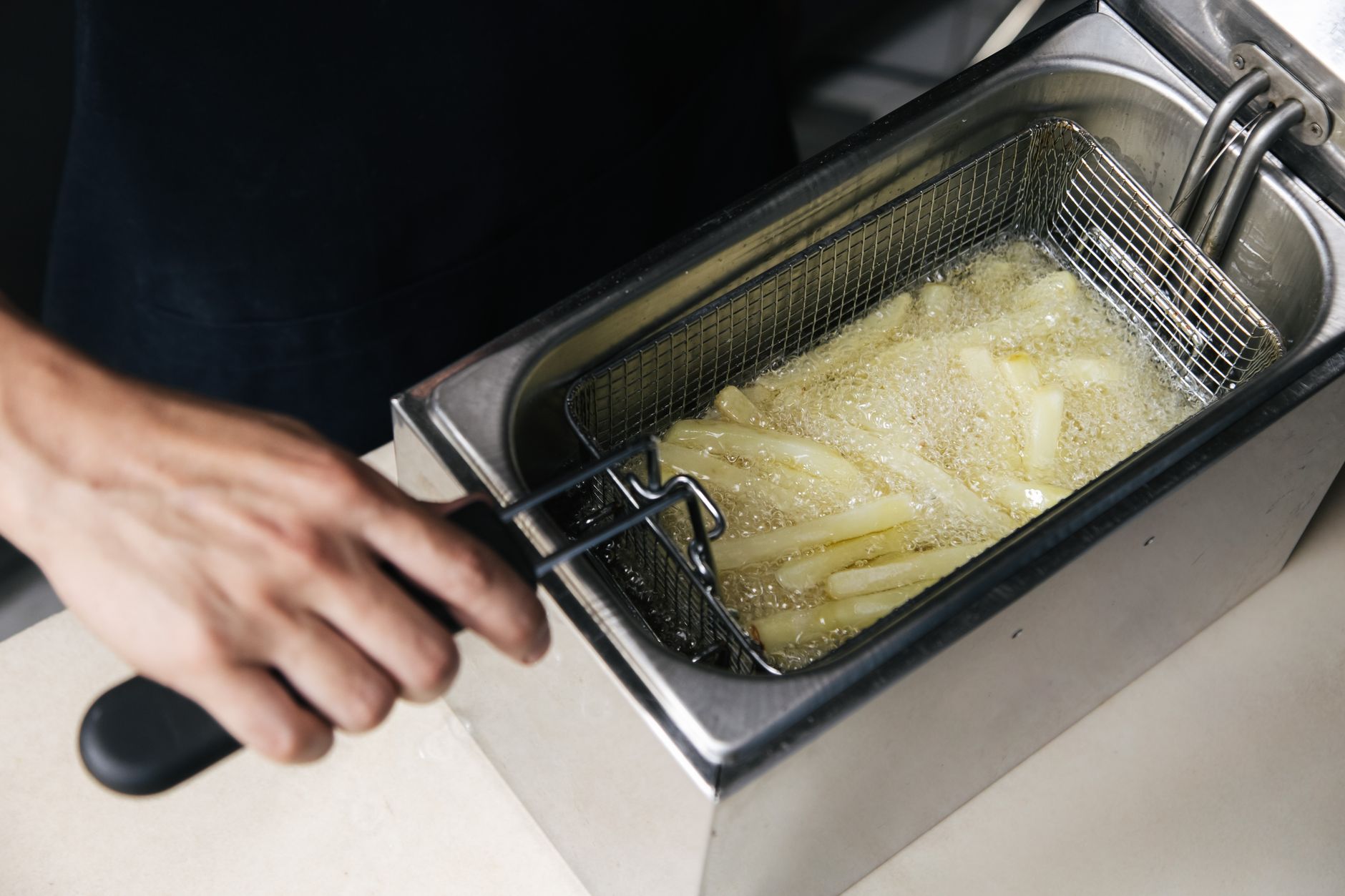
- Fried foods, such as doughnuts and french fries
- Margarine and shortening
- Processed snacks, including microwave popcorn and crackers
To reduce trans fat intake, check nutrition labels for partially hydrogenated oils and avoid products that list them as ingredients. The American Heart Association recommends aiming for a maximum of 1% of your total daily calories from trans fats.
Saturated Fats: A Diet to Watch
Saturated fats can also elevate cholesterol levels. While some saturated fats may not be harmful, excessive consumption can lead to increased LDL cholesterol. Foods high in saturated fats include:
- Red meat, such as beef and lamb
- Pork products, including bacon and sausage
- Full-fat dairy items, such as cream, cheese, and butter
- Coconut oil and palm oil
To manage saturated fat intake, consider replacing red meat with lean proteins such as chicken or plant-based options. Opting for low-fat dairy products can also help lower saturated fat consumption.
Cholesterol-Rich Foods
While dietary cholesterol’s impact on blood cholesterol levels varies among individuals, some foods are inherently high in cholesterol and should be consumed in moderation. These foods include:
- Egg yolks
- Shellfish like shrimp and lobster
- Organ meats, including liver
- Processed meats, such as hot dogs and deli meats
For individuals concerned about cholesterol levels, it’s best to monitor the intake of these foods. Instead, focus on incorporating fiber-rich foods, which promote heart health.
Refined Carbohydrates and Added Sugars
Far too often, diets high in refined carbohydrates and added sugars are overlooked when considering cholesterol levels. These foods can lead to weight gain and increased triglycerides, which can indirectly influence bad cholesterol. Foods to limit include:
- White bread and pasta made from refined flour
- Sugary cereals and breakfast bars
- Regular soda and sweetened beverages
- Candy and various desserts
Instead of refined options, choose whole grains like brown rice and quinoa, which offer more fiber and nutrients.
Processed and Fast Foods
Fast food and highly processed foods are often a blend of the harmful fats mentioned above. They frequently contain high levels of trans fats, saturated fats, sugars, and sodium. Some common fast foods to be cautious of include:
- Burgers and fried chicken
- Pizzas
- Chips and fried snacks
- Ready-to-eat frozen meals
Preparing meals at home can give individuals control over the ingredients and cooking methods, promoting healthier choices.
Healthier Alternatives
Now that we’ve identified foods to limit, let’s explore some healthier alternatives that can potentially support better cholesterol levels.
- Swap butter for olive oil or avocado oil, which are rich in heart-healthy monounsaturated fats.
- Instead of red meat, consider incorporating more fish, especially fatty types like salmon or mackerel, full of omega-3 fatty acids.
- Choose legumes, beans, and lentils as protein sources, as they’re low in saturated fat and high in fiber.
- Load up on fruits, vegetables, and whole grains, which provide fiber that helps lower cholesterol levels.
Additionally, including nuts and seeds in your diet can help provide healthy fats and essential nutrients while managing cholesterol.
Practical Tips for Reducing Bad Cholesterol
To effectively manage cholesterol levels, consider the following practical tips:
- Read nutrition labels: Understand the trans fat and saturated fat content of food products.
- Cook at home: Preparing meals at home allows for control over ingredients and cooking methods.
- Make gradual changes: Instead of overhauling your diet overnight, incorporate small changes to make it sustainable.
- Stay active: Along with dietary changes, engaging in regular exercise can positively impact cholesterol levels.
- Hydrate: Drink plenty of water and limit sugary drinks to maintain overall health.
Conclusion
Being aware of the foods that cause bad cholesterol is invaluable for heart health. By limiting trans fats, saturated fats, and processed carbohydrates while emphasizing healthier alternatives, individuals can significantly improve their cholesterol profiles.
As you embark on this journey towards better dietary choices, remember that gradual changes can lead to lasting benefits. Start by making a few small modifications to your current eating habits.
Explore related recipes, cooking tips, or food guides to enrich your culinary knowledge and enhance your cooking skills.