
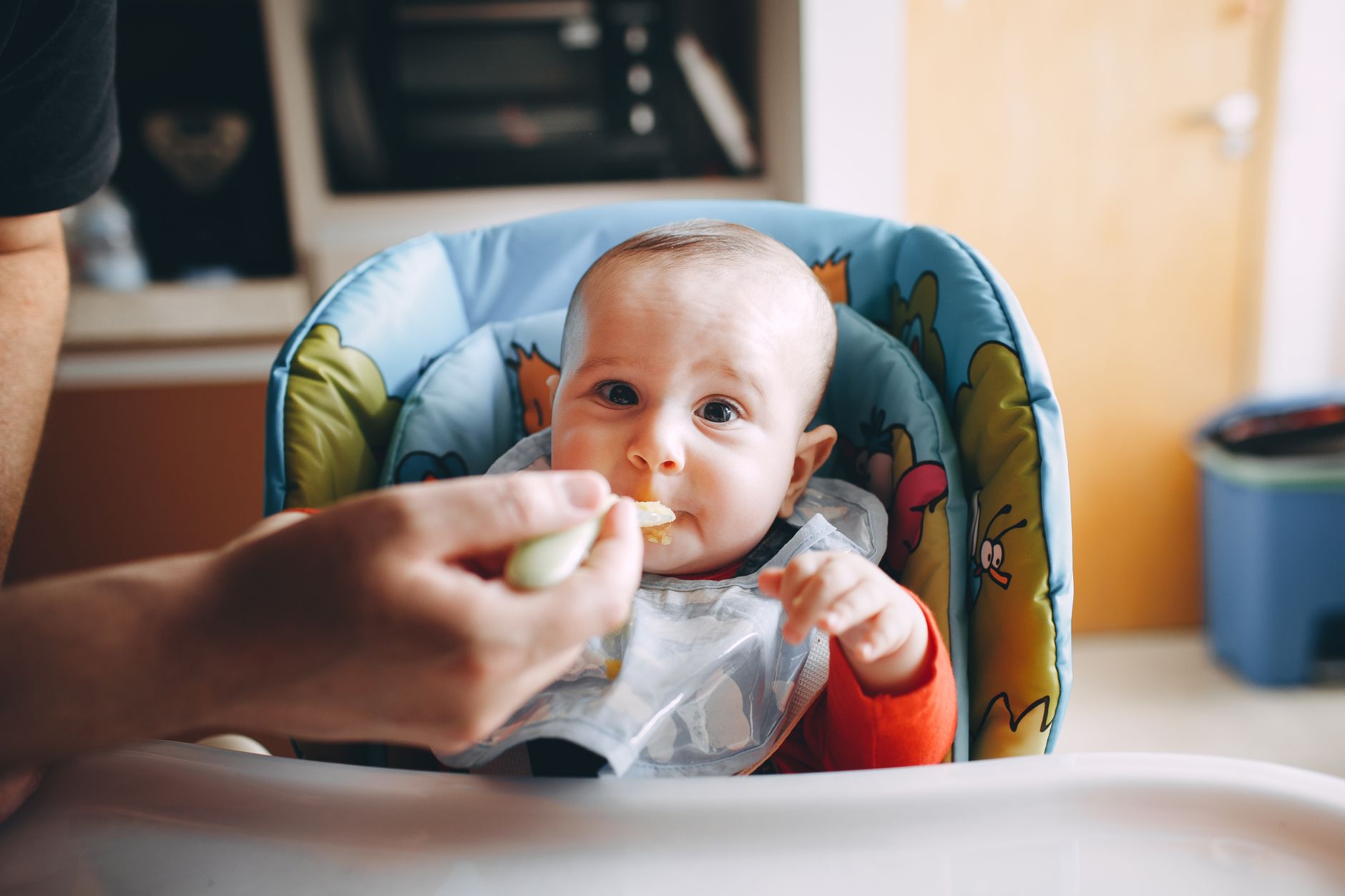
Introducing solid foods to your nine-month-old can be an exciting milestone, both for you and your little one. At this stage, babies are ready to explore a variety of flavors and textures, which play a critical role in their development. Understanding what a nine-month-old can eat is essential for ensuring a balanced diet that supports growth and health.
This guide will provide practical tips on what foods are appropriate for a nine-month-old, including ideas for meals, snacks, and safe food preparation methods. Focus will also be placed on introducing new foods while ensuring safety and nutrition.
What Can a 9 Month Old Eat?
A nine-month-old can eat a variety of foods that are easy to chew and digest. As a general rule, you should offer a mix of fruits, vegetables, grains, proteins, and healthy fats. Foods should be soft and cut into small, manageable pieces to prevent choking hazards. Always supervise your baby during mealtime and introduce one new food at a time to monitor for allergies.
Key Food Groups for Nine-Month-Olds
As your baby grows, they will benefit from a wide range of nutrients. Here are the main food groups to focus on:
Fruits
- Banana – Soft and sweet, bananas are easy to mash and great for first tastes.
- Peaches – Fresh or canned in juice (not syrup), peaches offer vitamins A and C.
- Pears – Soft pears provide fiber and are gentle on the stomach.
- Avocado – Rich in healthy fats and easy to mash, avocado is an excellent food for brain development.
- Berries – Blueberries, strawberries, and raspberries are nutritious and can be smashed for easier consumption.
Vegetables
- Sweet Potatoes – Baked, boiled, or mashed, they are nutrient-dense and high in beta-carotene.
- Carrots – Cooked until soft, carrots can be offered in sticks or mashed.
- Peas – A great source of protein, peas can be served whole or mashed.
- Butternut Squash – Naturally sweet and easy to cook, this squash can be pureed or cubed.
- Spinach – Packed with iron, it can be cooked and pureed or added to other foods.
Grains
- Oatmeal – A wholesome breakfast option that can be mixed with fruits.
- Rice – Soft-cooked rice is easy to digest and can be offered as a finger food.
- Whole Wheat Bread – Offer small pieces for simple sandwiches or toast.
- Pasta – Cooked until soft, pasta shapes are fun for babies to eat with their hands.
Proteins
- Pureed meats – Chicken, turkey, or beef can be pureed and mixed with vegetables.
- Eggs – Scrambled eggs, cut into small pieces, are a great source of protein.
- Canned beans – Offer soft, mashed beans such as black beans or chickpeas for fiber and protein.
- Tofu – Soft tofu is an excellent plant-based source of protein that can be cubed or mashed.
Dairy and Healthy Fats
- Full-fat yogurt – Choose plain, whole-milk yogurt for beneficial probiotics.
- Cottage cheese – Soft and creamy, it can also be mixed with fruits.
- Nut butters – Smooth peanut or almond butter can be offered in small amounts (watch for allergies).
Foods to Avoid
Some foods should be avoided until your child is older to prevent choking or allergic reactions:
- Honey – It may contain spores that can cause botulism in infants.
- Whole nuts – These are choking hazards, and nut butters should be spread thin.
- Popcorn and hard candies – Both can pose significant choking risks.
- Cow’s milk – It should be avoided as a drink until after one year, but can be used in cooking.
- Raw or undercooked eggs, meats, and seafood – Always ensure cooking is thorough to avoid foodborne illness.
comatable.
Tips for Introducing New Foods
When introducing new foods to a nine-month-old, consider the following tips:
- Start with single-ingredient foods to monitor for allergies.
- Observe your baby’s reactions and preferences as they try new foods.
- Wait three to five days before introducing another new food.
- Encourage self-feeding with soft pieces to develop motor skills.
- Be patient and persistent, as it may take several tries before a baby accepts a new flavor.
Sample Meal Ideas
Creating balanced meals for a nine-month-old can be easier with a bit of planning. Here are some meal ideas that incorporate the various food groups:
Breakfast
- Oatmeal mixed with mashed banana and a dollop of plain yogurt.
- Small pieces of whole wheat toast with avocado spread.
- Scrambled eggs with finely chopped spinach.
Lunch
- Pureed chicken mixed with mashed sweet potatoes.
- Soft-cooked pasta with peas and a sprinkle of cheese.
- Quinoa salad with diced vegetables like cucumber and avocado.
Dinner
- Mashed cauliflower and carrots with a soft-cooked lentil mix.
- Fish fillet (like salmon), cooked and shredded, served with mashed potatoes.
- Soft tofu stir-fry with broccoli and brown rice (ensure it’s very soft).
Snacks
- Softly cooked carrot sticks or sweet potato wedges.
- Whole grain cereal puffs or small pieces of soft fruit.
- Unsweetened applesauce or mashed avocado with a hint of lemon.
Safe Food Preparation Techniques
Preparation is key when serving food to babies. Here are some essential techniques to ensure safety and proper texture:
Cooking Methods
- Steaming – This method retains more nutrients and creates soft textures.
- Boiling – For vegetables, boiling can make them easier to mash.
- Baking – Perfect for sweet potatoes and squash to bring out their natural sweetness.
- Pureeing – Essential for meats and vegetables to create a smooth consistency.
Serving Sizes
For nine-month-olds, food should be cut into small bites, usually about the size of a pea or a small cube. Make sure finger foods are soft enough to easily mash between your fingers.
Signs of Readiness for Solids
Not all babies develop at the same pace. Here are signs that your baby is ready to eat solids:
- Can sit up well with support.
- Shows interest in food when others are eating.
- Can grasp objects and bring them to their mouth.
- Has lost the tongue-thrust reflex (pushing food out with the tongue).
Common Concerns
As you introduce solids, you may have some concerns. Here are some common questions answered:
What if my baby refuses a food?
It’s normal for babies to refuse foods. Keep offering them in different textures or mixes with other acceptable foods.
How do I know if my baby is having an allergic reaction?
Monitor for symptoms such as hives, swelling, vomiting, or diarrhea. If you suspect a reaction, contact your pediatrician immediately.
Make-Ahead Meal Planning
To make mealtime easier, consider batch cooking. Here are some steps to follow:
- Prepare large quantities of single ingredient purees (like peas, carrots, or apples).
- Freeze in ice cube trays for easy portioning.
- Label the trays with dates and contents to keep track of freshness.
- Mix and match purees with proteins and grains for variety during the week.
How to Store Baby Food
Proper storage is essential for keeping baby food fresh. Follow these guidelines:
- Refrigerate homemade baby food in airtight containers for up to 48 hours.
- Frozen baby food can last for up to three months; ensure it’s stored properly in sealable bags or containers.
- Thaw food in the refrigerator or using a microwave, but never leave it out at room temperature.
Conclusion
Navigating your baby’s food choices at nine months can be both fun and fulfilling. By introducing a variety of safe and nutritious foods, you lay the groundwork for healthy eating habits. Be patient as your baby explores new flavors and textures.
For more ideas, check out how to prepare delicious chia pudding and learn about foods that are high in iron here.