
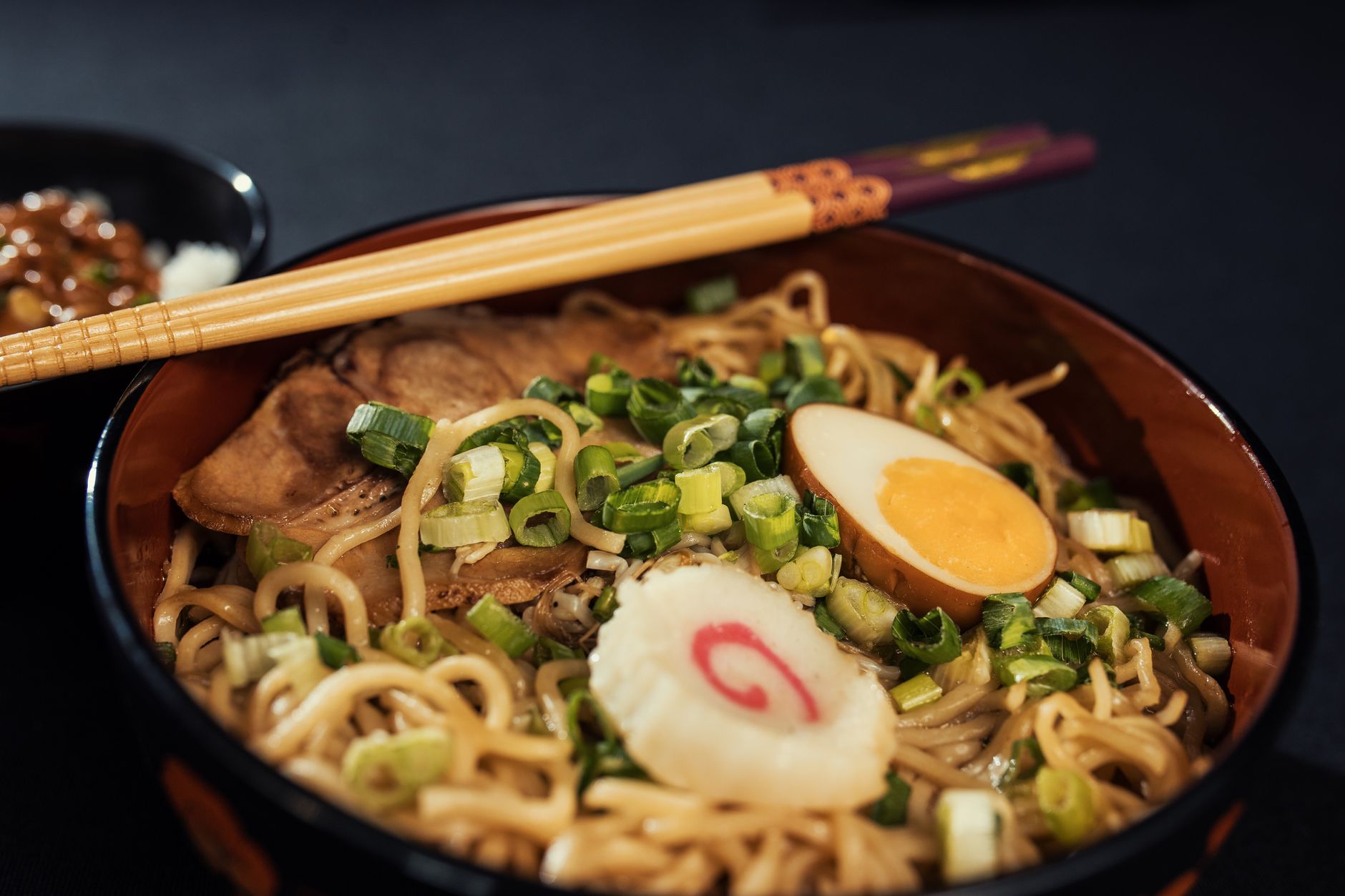
Mazemen is a delightful and increasingly popular Japanese noodle dish known for its unique preparation and flavor profile. Unlike traditional ramen served in broth, mazemen translates to “mixed noodles,” emphasizing a savory sauce instead of a soup. This makes it an intriguing option for noodle lovers seeking something different while still enjoying the satisfying textures and tastes associated with ramen.
In this article, we’ll delve into the ingredients that make up mazemen, its distinct flavor characteristics, how to serve it, and tips for preparing the dish at home. Whether you’re a seasoned pro in the kitchen or a novice, you’ll find all the insights you need to create a delicious bowl of mazemen.
What Is Mazemen?
Mazemen is a style of Japanese noodle dish where ramen noodles are tossed with a variety of flavorful sauces, toppings, and ingredients, rather than being submerged in broth. This method allows for a more concentrated flavor experience, focusing on the noodles and toppings’ textures and tastes. It’s versatile and can be customized according to your personal preferences.
The Key Ingredients of Mazemen
The beauty of mazemen lies in its flexibility and adaptability, but certain ingredients form the backbone of the dish. Here’s a look at the essential components.
Noodles
- Ramen noodles: The base of mazemen is typically thin, wavy ramen noodles, which can be either fresh or dried. The texture should be chewy, perfect for holding sauces.
- Substitutes: You can use udon or soba noodles, but note that they will alter the flavor and texture.
Sauce
- Tare: This is a key element, functioning as a concentrated flavoring agent made from soy sauce, miso, or salt. It is often blended with other flavors such as garlic, ginger, or even chili.
- Oil: A traditional mazemen often incorporates oils (like sesame oil) for added richness and depth of flavor.
- Broth concentrate: While not traditional, a small amount of broth can be added to the sauce for moisture without excessive liquid.
Toppings
- Protein: Common options include chashu (braised pork), chicken, or tofu. You can also opt for seafood or a poached egg for a different flair.
- Vegetables: Green onions, menma (bamboo shoots), bean sprouts, and nori are excellent choices that provide freshness and crunch.
- Extras: Ingredients like narutomaki (fish cake), pickled ginger, and sesame seeds can add wonderful layers of flavor.
Flavor Profile of Mazemen
The flavor of mazemen is robust and layered, with each component contributing to the overall experience.
Salty and Umami
The tare sauce provides a salty base, delivering umami richness that is characteristic of many Japanese dishes. The soy sauce or miso used plays a significant role in developing deep, savory notes that create a satisfying taste.
Sweet and Savory
Some variations may include sweet elements such as mirin or sugar in the tare, balancing the salty notes. This complexity adds a warm sweetness that enhances the overall enjoyment of the dish.
Spicy and Spicy Varieties
If you enjoy a bit of heat, you can incorporate chili oil, shichimi togarashi, or fresh chilies into your sauce. The spicy kick transforms the dish and can be adjusted to suit your tastes.
Freshness from Vegetables
The garnishes and toppings contribute freshness and crunch, counterbalancing the rich sauce. The addition of herbs or vegetables helps brighten the overall dish and enhances its visual appeal.
How to Serve Mazemen
Presentation is crucial, especially for a dish that can be so varied. Here are a few tips on how to serve mazemen beautifully and effectively:
Bowl Selection
Choose a wide, shallow bowl that accommodates the noodles and toppings while allowing them to be beautifully arranged. The width of the bowl enhances the visual spread of the dish, drawing attention to the vibrant colors of the ingredients.
Arrangement
- Layer the Noodles: Place the cooked noodles in the middle of the bowl.
- Add Sauce: Spoon the prepared sauce generously over the noodles, ensuring they are well-coated.
- Top with Protein: Arrange your choice of protein, like chashu or tofu, neatly on top.
- Sprinkle with Vegetables: Add the chopped vegetables, like green onions, sprouts, and herbs, around the dish attractively.
- Final Touches: Drizzle or sprinkle additional oils, sesame seeds, or chili flakes, depending on your taste.
Traditional Accompaniments
While mazemen stands well on its own, serving with a side of pickles or lightly flavored rice can enhance the meal. Many enjoy a refreshing drink of iced green tea or a light beer alongside mazemen, allowing for a balanced dining experience.
Tips for Making Mazemen at Home
Creating mazemen from scratch may seem daunting, but it can be straightforward with the right approach. Here are useful tips to keep in mind.
Noodle Cooking Tips
Cook ramen noodles according to the package instructions but consider slightly undercooking them (al dente). They will continue to cook when combined with hot sauce and toppings.
Flavor Development
Allow the tare to simmer for several minutes to meld flavors together effectively. Don’t be afraid to tweak the sauce ingredients, experimenting with different proportions to fit your taste.
Make-Ahead Options
You can prepare the tare sauce and any proteins a day or two in advance, allowing the flavors to enhance over time. Store them in the refrigerator, and the noodles can be cooked fresh on the day of serving.
Common Mistakes to Avoid
- Overcooking the noodles can result in a mushy texture, which detracts from the overall dish.
- Using too much or too little tare can lead to an unbalanced flavor. Always taste as you go.
- Neglecting to mix the ingredients together thoroughly can leave parts of the dish lacking flavor.
Storage and Reheating
While mazemen is best enjoyed fresh, you can store leftovers for a couple of days. Follow these guidelines for optimal storage:
Storage
- Keep noodles, tare sauce, and toppings separate to preserve texture and flavor.
- Use airtight containers to store leftovers in the refrigerator.
Reheating
- Reheat tare sauce gently on the stove over low heat until warm, adding a splash of water or broth if needed to loosen it.
- Cook noodles in boiling water for just a couple of minutes to warm through, then drain and combine with the reheated sauce and toppings.
Common Variations of Mazemen
One of mazemen’s charms is its adaptability. Here are a few popular variations to consider:
Vegan Mazemen
For a plant-based option, replace animal proteins with tofu, mushrooms, or seitan. Use mushroom-based broth or miso for the tare to elevate the umami flavors.
Spicy Mazemen
Add chili oil, minced garlic, or a dollop of spicy miso to your sauce for a more intense experience. Adjust the heat according to your preference.
Seafood Mazemen
Incorporate shrimp, crab, or fish as your protein, using light soy and sesame oil to complement the seafood flavors. A sprinkle of nori can also enhance the oceanic taste.
Conclusion
Mazemen is a delicious and versatile dish that invites creativity while offering a unique alternative to traditional ramen. With its rich flavors and endless possibilities for customization, it’s an excellent choice for lunch or dinner. The next time you crave noodles, take a moment to explore the wonderful world of mazemen by trying your version, tapping into fresh ingredients, and adapting flavors to suit your palate.
For more exciting ideas, check out our ramen seasoning recipe for enhancing your dishes, or explore this creamy ramen recipe that blends comfort and flavor.