
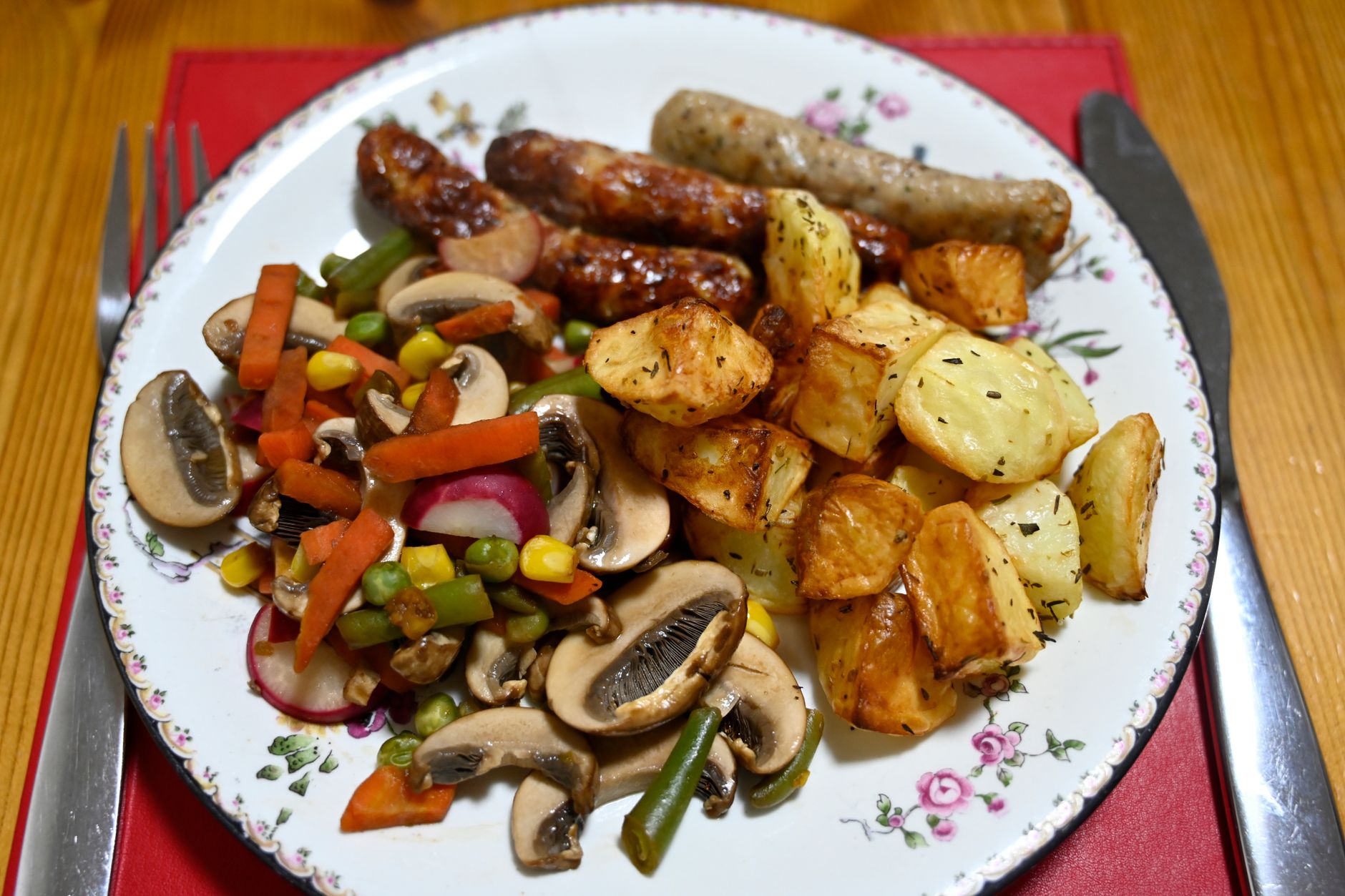
Roasting vegetables in the oven is a simple yet effective cooking technique that enhances their natural flavors, sweetness, and texture. By using dry heat, you can achieve a perfect caramelization that adds depth to a variety of vegetables, making them an excellent side dish or a base for many meals.
However, knowing how long to roast different types of vegetables is crucial to achieving the right doneness. This guide will provide you with detailed roasting times, tips for doneness, and methods to ensure your veggies come out perfectly roasted every time.
How Long to Roast Veggies in Oven?
Roasting vegetables in the oven typically takes between 20 to 45 minutes, depending on the type of vegetable and the size of the pieces. It’s essential to consider factors such as oven temperature, the vegetable’s moisture content, and the desired level of tenderness for ideal results.
In this article, we’ll go over common vegetables, their optimal roasting times, and temperature guidelines to help you master the art of roasting.
Choosing the Right Vegetables for Roasting
Not all vegetables roast equally; some benefit from longer cooking times, while others can become mushy if overcooked. The best vegetables for roasting include:
- Root vegetables: carrots, potatoes, parsnips, beets
- Cruciferous vegetables: broccoli, cauliflower, Brussels sprouts
- Squashes: zucchini, butternut squash, acorn squash
- Alliums: onions, garlic, shallots
- Others: bell peppers, asparagus, green beans
These vegetables can all develop a beautiful caramelized exterior while retaining their structure and flavor when roasted properly.
General Guidelines for Roasting Times
While roasting times can vary based on the oven and vegetable size, below are average times and temperature ranges for common vegetables.
| Vegetable | Preparation | Temperature (°F) | Roasting Time |
|---|---|---|---|
| Carrots | Cut into 1-inch pieces | 400-425 | 25-30 minutes |
| Potatoes | Cut into 1-inch cubes | 400-425 | 30-40 minutes |
| Brussels sprouts | Halved | 400-425 | 20-25 minutes |
| Cauliflower | Cut into florets | 400-425 | 25-35 minutes |
| Zucchini | Sliced into 1-inch rounds | 400-425 | 20-25 minutes |
| Asparagus | Trimmed | 400-425 | 12-15 minutes |
| Bell peppers | Sliced into strips | 400-425 | 20-25 minutes |
| Sweet potatoes | Cut into 1-inch cubes | 400-425 | 30-35 minutes |
Preparing Your Vegetables
Before you start roasting, proper preparation is key to achieving delicious results. Follow these steps:
- Wash and dry: Clean all vegetables thoroughly. Use a vegetable brush for root vegetables to remove dirt.
- Chop evenly: Cut vegetables into uniform sizes to ensure even cooking. Smaller pieces will cook more quickly, while larger pieces will need more time.
- Coat with oil: Toss the vegetables in a mixture of olive oil, salt, and pepper. Aim for about 1 to 2 tablespoons of oil per pound of vegetables.
- Add seasonings: Enhance flavor with herbs, spices, or other seasonings. For example, rosemary with potatoes or garlic with asparagus.
Roasting Technique
The roasting process itself requires a few key steps to ensure optimal flavor and doneness:
- Preheat your oven: Preheat the oven to the desired temperature (usually between 400 to 425°F).
- Use a large baking sheet: Spread the vegetables in a single layer on a rimmed baking sheet. This allows hot air to circulate, promoting even roasting.
- Don’t overcrowd: Avoid overcrowding the pan, which can steam the vegetables rather than roast them. If needed, roast in batches.
- Toss halfway through: To achieve even browning, stir or flip the vegetables halfway through the roasting process.
- Watch the doneness: Check for doneness about 5 minutes before the estimated time. You want the vegetables to be tender and browned but not overcooked.
Signs of Perfectly Roasted Vegetables
Knowing when your vegetables are perfectly roasted is essential. Look for these signs:
- Golden brown color on the edges and bottom.
- Tender but not mushy texture when pierced with a fork.
- A fragrant smell that fills your kitchen.
- Slightly caramelized sugar on the surface.
Common Mistakes to Avoid
While roasting is a straightforward method, certain mistakes can hinder your results. Avoid the following pitfalls:
- Not preheating the oven: Always preheat your oven to get that nice caramelization.
- Overcooking: Keep an eye on your vegetables to prevent them from becoming mushy.
- Using too much oil: Too much oil can lead to greasy vegetables. Stick to 1-2 tablespoons per pound.
- Overcrowding the pan: This causes steaming instead of roasting. Use separate pans if needed.
- Neglecting to season: Enhance flavors with salt, pepper, and herbs; don’t skip this crucial step.
Storing and Reheating Roasted Vegetables
Leftover roasted vegetables can be stored in the refrigerator for up to 4 days. To maintain their texture and flavor:
- Let the vegetables cool to room temperature.
- Store in an airtight container in the refrigerator.
- To reheat, place them on a baking sheet in a 350°F oven for 10-15 minutes, or until heated through.
Flavor Variations and Substitutions
Experimenting with different flavors and seasonings can enhance your roasted veggies. Here are some ideas:
- Herbs: Try adding thyme, oregano, or basil for fresh herbal flavors.
- Spices: For a kick, sprinkle chili powder, cumin, or curry powder on your veggies.
- Cheese: Top with parmesan or feta for an added layer of flavor.
- Vinegar or citrus juice: Drizzle balsamic vinegar or lemon juice before serving for brightness.
- Nuts or seeds: Toss in toasted pine nuts or sesame seeds for added crunch.
Serving Suggestions
Roasted vegetables can be served in myriad ways. Here are a few ideas:
- As a side dish for grilled meats or seafood.
- In salads with grains like quinoa or farro.
- In wraps or sandwiches with hummus or yogurt dressing.
- As a topping for pizza or flatbreads.
- Mixed into omelets or frittatas for breakfast.
How to Pair Roasted Vegetables with Other Dishes
To create a balanced meal around roasted vegetables, consider the following pairings:
- Roasted chicken: The natural flavors of roasted chicken complement the sweetness of roasted veggies.
- Grilled fish: Caramelized vegetables pair well with the light flavors of grilled fish.
- Cooked grains: Find a hearty base in rice, quinoa, or couscous topped with the roasted vegetables.
- Pasta dishes: Toss roasted vegetables with pasta and olive oil for a simple meal.
- Soups and stews: Add roasted veggies to soups for depth and complexity.
Conclusion
Roasting vegetables in the oven is a delightful way to bring out their natural flavors and textures. Knowing how long to roast each type of vegetable is vital for achieving the right doneness. With the right preparation, technique, and ingredients, you can make roasted veggies a staple in your culinary repertoire. Enjoy experimenting with different combinations and flavors, and elevate your meals!
If you’re looking for more inspiration, check out this honey sesame chicken recipe or learn how long to cook fresh green beans for a delicious side dish!