
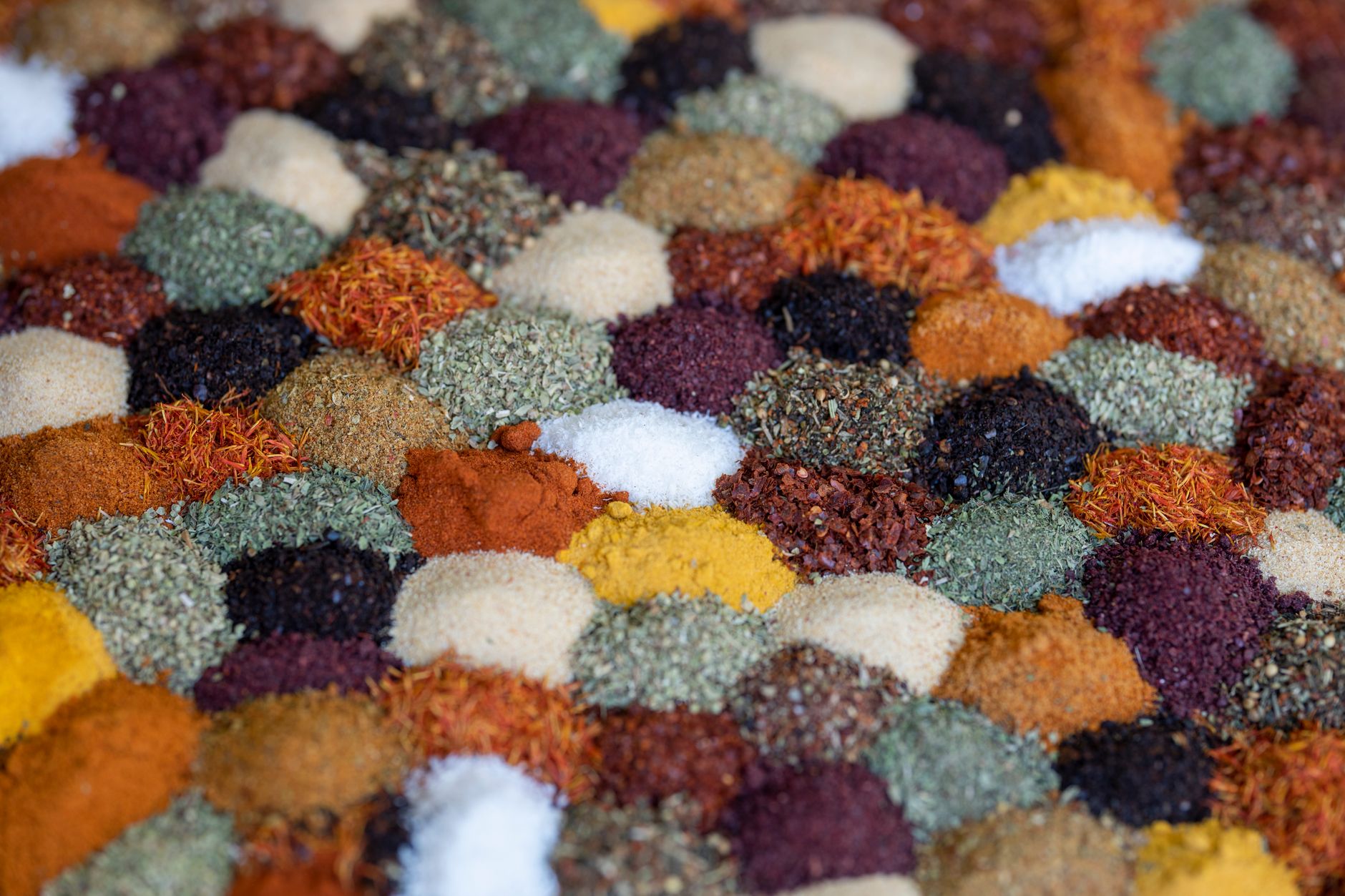
Paprika is a beloved spice known for its vibrant red color and widely variable flavor profile, ranging from sweet and mild to hot and smoky. It’s commonly used in various cuisines, particularly in Hungarian, Spanish, and Mediterranean dishes. However, if you find yourself without paprika in your pantry, don’t worry. There are several effective substitutes that can help you recreate the intended flavor and color in your dishes.
This guide explores what you can substitute paprika with, including ratios and considerations to keep in mind, whether you’re looking to maintain heat, sweetness, or smokiness. Let’s delve into the flavorful world of paprika alternatives.
What Can I Substitute Paprika With?
When you need to replace paprika, some common substitutes include cayenne pepper, chili powder, smoked paprika, and even certain spices like cumin or turmeric, depending on the flavor you want. Each alternative has its own unique properties, which can affect the final dish differently. Here’s a closer look at each option.
1. Cayenne Pepper
Cayenne pepper is a spice made from dried and ground cayenne chili peppers. It’s known for its heat level and can be a suitable substitute for paprika, especially in recipes that require a bit of a kick.
Usage
- Use approximately 1/4 teaspoon of cayenne pepper for every 1 teaspoon of paprika. Adjust to taste, especially if you’re sensitive to heat.
Flavor Impact
Cayenne will add a noticeable heat, so if you’re substituting it, consider this spice as a flavorful alternative for dishes where spiciness is desirable. It won’t mimic the sweet and smoky qualities of paprika, but it can give a spicy flavor boost to stews, soups, and marinades.
2. Chili Powder
Chili powder usually contains a mix of ground chilies, garlic powder, onion powder, and other spices. It is often used in American and Tex-Mex cuisine and has both heat and a slight sweetness, making it another good option for replacing paprika.
Usage
- Use 1:1 ratio for chili powder as a paprika substitute. For example, use 1 teaspoon of chili powder in place of 1 teaspoon of paprika.
Flavor Impact
Chili powder will introduce more complexity due to its mixed spices but will still contribute a good color to your dishes. It’s excellent in chili, tacos, and spice rubs.
3. Smoked Paprika
If you have smoked paprika on hand, it can serve as a more flavorful substitute for the regular variety. Smoked paprika provides a deep, smoky flavor that can enhance many dishes, particularly those that benefit from additional depth.
Usage
- Substitute smoked paprika for regular paprika at a 1:1 ratio. If you prefer more smokiness, you might even increase the amount slightly.
Flavor Impact
Using smoked paprika will emphasize the smoky notes in your dish, ideal for barbecue sauces, rubs, or any savory dish where enlivening flavor is required.
4. Sweet Paprika
If you have sweet paprika without heat, it can be used interchangeably with regular paprika. This substitute works well in recipes that require a milder taste.
Usage
- Use sweet paprika at a 1:1 ratio to replace regular paprika.
Flavor Impact
This substitute will retain the color and mild sweetness but won’t introduce any heat, making it suitable for dishes like potato salads or egg dishes that benefit from the vibrant color.
5. Cumin
Cumin is a spice with a warm, earthy flavor profile. While it doesn’t replicate the color of paprika, it can add a different depth to dishes where flavor complexity is valued.
Usage
- Use about 1/2 teaspoon of cumin for every 1 teaspoon of paprika as a substitute.
Flavor Impact
Cumin brings warmth and an earthy flavor without any sweetness or heat found in paprika, making it ideal for curries, stews, and spice blends.
6. Turmeric
Turmeric is known for its vibrant yellow color and warm, slightly bitter flavor. While it won’t taste like paprika, it can replicate the stunning color in certain applications.
Usage
- Use 1/4 teaspoon of turmeric as a substitute for 1 teaspoon of paprika, adjusting to taste.
Flavor Impact
While turmeric provides color, its unique flavor profile can alter the dish significantly. It works well in soups, stews, and rice dishes where color is essential but the original flavor isn’t a priority.
7. Roasted Red Pepper Flakes
Roasted red pepper flakes can deliver both heat and a slightly sweet pepper flavor, serving as a decent alternative for paprika.
Usage
- Start with 1/4 teaspoon of roasted red pepper flakes for every 1 teaspoon of paprika and adjust based on your taste preference.
Flavor Impact
This alternative offers a bit of smokiness along with heat, making it interesting for adding to sauces or pasta dishes.
8. Red Pepper Paste
Red pepper paste can work in place of paprika to provide not just color but also moisture and richness.
Usage
- Use 1 teaspoon of red pepper paste in place of 1 teaspoon of paprika.
Flavor Impact
This substitution can add a unique flavor and extra moisture, making it well-suited for soups, stews, and marinades.
9. Saffron
In specialty dishes that demand a richer flavor, saffron can be considered, though it’s not a direct substitute in terms of spice variety. However, it provides a great color and unique aroma.
Usage
- Use a pinch of saffron to replace 1 teaspoon of paprika, as it’s much stronger in flavor.
Flavor Impact
Saffron introduces a distinctive, luxurious flavor, suitable for elegant dishes like risottos and paellas, but note that it is more expensive and is generally used more sparingly.
10. Tomato Powder
Tomato powder can be a surprising replacement, especially for dishes that utilize paprika in a sauce or flavoring context.
Usage
- Use 1 teaspoon of tomato powder for every teaspoon of paprika.
Flavor Impact
This alternative will bring acidity and sweetness that can be a lovely complement to various dishes. It’s particularly nice in pasta sauces or mixed into meat blends.
Choosing the Right Substitute
When selecting a substitute for paprika, consider the flavor profile you wish to maintain. Here are a few pointers:
- If looking for heat, cayenne pepper or chili powder would be appropriate choices.
- For sweet notes, try sweet paprika, tomato powder, or chili powder.
- If you want a smoky flavor, lean towards smoked paprika or roasted red pepper flakes.
Final Thoughts on Substituting Paprika
Substituting paprika can sometimes require a little experimentation to find the flavor balance that works best for you and your dish. It’s key to start small and adjust according to your personal taste preferences. With these alternatives, you can successfully navigate any recipe that calls for paprika, ensuring your dish remains delicious and vibrant.
Next time you find yourself without paprika, remember these substitutes at hand that can elevate your cooking while staying true to your culinary creations. Happy cooking!
If you’re interested in exploring more ingredient substitutions, check out our guides on good substitutes for rosemary or what to use instead of vanilla extract.