
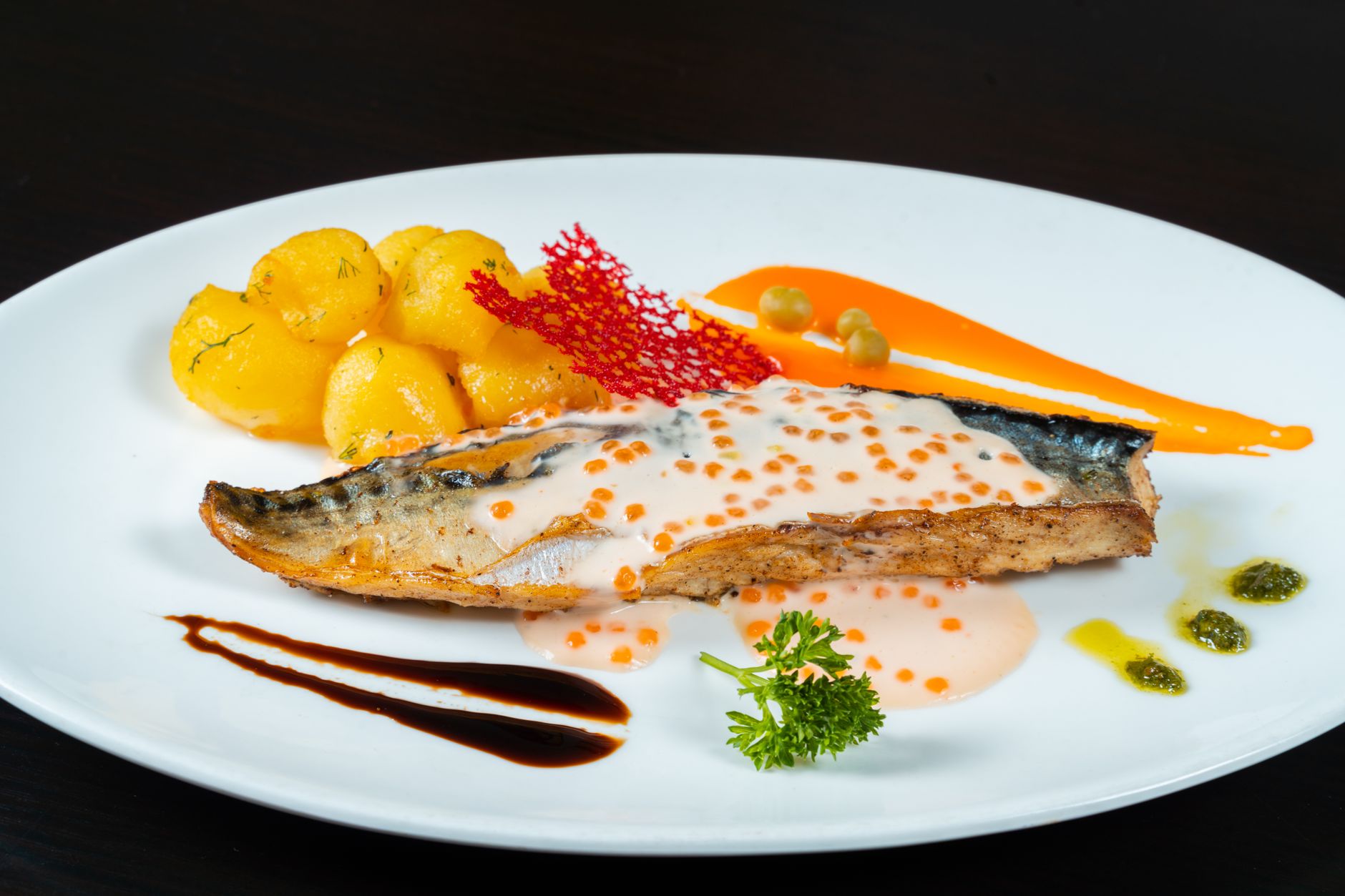
Broiling salmon in the oven is a quick and efficient cooking method that can yield delicious and moist results. This technique allows you to enjoy the rich flavors of salmon without the need for elaborate preparation. By understanding how long to broil salmon in the oven, you can perfectly cook this healthy fish and create an appealing dish for any occasion.
Whether you’re preparing a weeknight dinner or hosting guests, learning the right timing and doneness tips can enhance your culinary skills. This article will guide you through everything you need to know about broiling salmon in the oven, including recommended cooking times, tips for ensuring your fish is cooked just right, and variations you can try to add unique flavors to your meal.
How Long to Broil Salmon in Oven?
The ideal cooking time for broiling salmon in the oven generally ranges from 6 to 10 minutes, depending on the thickness of the fillet and your desired doneness. A good rule of thumb is to broil each inch of salmon for about 6 to 12 minutes per side, but monitoring the fish closely is crucial for the best results.
Understanding Broiling
Broiling is a cooking method that uses high, direct heat from above to cook food quickly. This method is similar to grilling, but where grilling exposes food to heat from below, broiling exposes it to heat from above. It’s perfect for cooking delicate proteins like salmon since it creates a crispy exterior while keeping the interior moist.
The Benefits of Broiling Salmon
- Quick Cooking Time: Broiling salmon is a fast process that can take as little as 6 minutes.
- Enhanced Flavor: The high heat caramelizes the fish’s natural sugars, resulting in a deeper flavor.
- Healthy Cooking Method: Since broiling uses minimal oil, it’s a healthy option that retains the fish’s nutritional value.
- Less Cleanup: This method usually requires fewer dishes and utensils than baking or frying.
Choosing the Right Salmon
When deciding how long to broil salmon, the choice of salmon type can influence cooking time and flavor. Here are some common types of salmon you can use:
- Atlantic Salmon: This is the most common type found in stores, known for its rich flavor and fatty content.
- Coho Salmon: Also referred to as silver salmon, it is lighter than Atlantic but has a nice, delicate taste.
- King Salmon: The largest type of salmon, known for its buttery flavor and high oil content.
- Sockeye Salmon: Recognizable by its bright red flesh, it has a bolder flavor and is firmer in texture.
Preparation Steps
Before broiling salmon, proper preparation is key to achieving the best flavor and texture. Here are the steps you should follow:
- Thaw the Salmon: If using frozen salmon, ensure it is completely thawed before cooking. This enhances even cooking.
- Preheat the Oven: Set your oven to broil and allow it to preheat for about 5 minutes.
- Prepare the Baking Sheet: Line a broiler pan or a baking sheet with aluminum foil for easier cleanup. Place a wire rack on top if using a baking sheet to allow air circulation.
- Season the Salmon: Use your favorite seasonings or marinade. Simple combinations like olive oil, salt, pepper, garlic, and lemon are popular.
- Check the Thickness: Measure the thickness of the fillet at its thickest point, as this will determine the cooking time.
Broiling Time Guide
Understanding the right broiling time is essential to avoid overcooking or undercooking your salmon. Here’s a general guideline based on the thickness of the fillet:
| Thickness of Fillet | Broiling Time |
|---|---|
| 1 inch | 6-8 minutes |
| 1.5 inches | 8-10 minutes |
| 2 inches | 10-12 minutes |
Keep in mind that these times are estimates. Always check for recommended doneness to ensure your salmon is safe to eat.
Doneness Tips
How can you tell when salmon is done? Here are the cues:
- Color: Salmon should change from a translucent reddish or raw color to an opaque light pink.
- Flakiness: The flesh should flake easily with a fork when it’s cooked through.
- Internal Temperature: Use a food thermometer to check the temperature. The USDA recommends an internal temperature of 145°F (63°C) for cooked salmon.
A layer of light white fat may bubble on top when salmon is cooked correctly, indicating that the fish is done. If you see this, it’s a good sign!
Common Mistakes When Broiling Salmon
A few common mistakes can lead to less-than-ideal results when broiling salmon. Here are things to avoid:
- Skipping Preheating: Not allowing the oven to fully preheat can result in uneven cooking.
- Overcrowding the Pan: Cooking too many pieces at once can lower the heat and result in steaming instead of broiling.
- Not Using a Meat Thermometer: Relying solely on visual cues can be misleading; using a thermometer ensures accuracy.
- Not Accounting for Carryover Cooking: Salmon will continue cooking even after you remove it from the oven, so consider pulling it out slightly early.
Serving Suggestions
Once your salmon has been expertly broiled, think about how to serve it for maximum impact. Here are a few ideas:
- Fresh Herbs: Garnish with chopped parsley, dill, or chives for a fresh flavor boost.
- Sides: Pair with roasted vegetables, quinoa, or a light salad for a balanced meal.
- Sauces: Consider a squeeze of fresh lemon juice, teriyaki glaze, or dill yogurt sauce for added flavor.
Variations and Flavor Enhancements
Broiling salmon gives you the opportunity to explore various flavors. Here are some variations to consider:
- Spicy: Add a mix of chili powder and cayenne pepper for a spicy kick.
- Maple Glazed: Brush the salmon with maple syrup and soy sauce before broiling for a sweet and savory combination.
- Citrus Marinade: Marinate in lemon, lime, and orange juice mixed with olive oil for a refreshing citrus taste.
- Herb Crust: Use a mix of breadcrumbs and fresh herbs to create a crust on your salmon before broiling.
Make-Ahead Tips
While salmon is best enjoyed fresh, you can still streamline your meal prep:
- Marination: Marinate your salmon up to one day in advance and keep it refrigerated until ready to broil.
- Pre-Portion: Cut your salmon into individual servings ahead of time for quick cooking during meal prep.
Storage and Reheating
If you have leftover broiled salmon, proper storage is key to maintaining flavor and texture:
- Refrigeration: Store leftovers in an airtight container in the fridge for 1-2 days.
- Freezing: For longer storage, freeze cooked salmon in freezer-safe bags for up to 3 months.
- Reheating: Reheat gently in the oven at a low temperature to avoid drying it out, or use a microwave for a quick option.
Final Thoughts
Broiling salmon in the oven is an easy way to enjoy a healthy and delicious meal. By using the guidelines provided in this article, you can master the technique and impress your family and friends with succulent, perfectly cooked salmon. Remember to experiment with flavors and side dishes to make each meal unique to your taste.
For more valuable cooking tips and recipes, explore other dishes, such as how long to cook tilapia or learn about cooking chicken legs effectively. Understanding different cooking methods and ingredient uses can help you become a more confident home chef.