
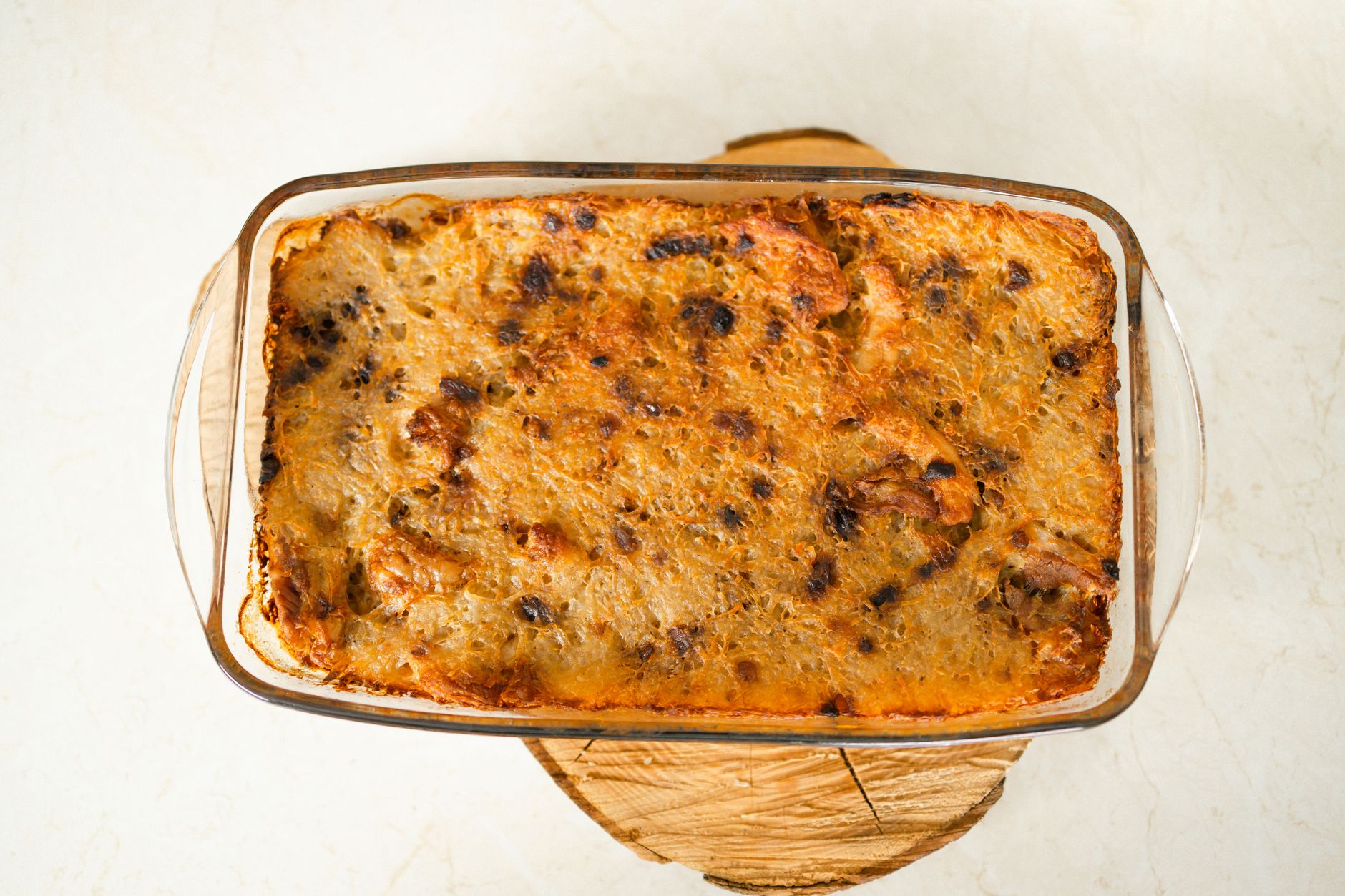
Baking dressing is a cherished culinary tradition, often gracing our tables during festive occasions and family gatherings. The savory mixture allows for personalization in flavors and textures, making it a favorite for home cooks.
Understanding the ideal baking duration and temperature is key to achieving that perfect, golden-brown exterior while maintaining a moist and flavorful interior. This guide will delve into the specifics of baking dressing, covering essential tips and techniques to guarantee a delicious result.
How Long Do You Bake Dressing?
The baking time for dressing generally ranges from 30 to 45 minutes at a temperature of 350°F (175°C). The duration can vary based on the specific ingredients used and the desired texture—whether you prefer a crispy top layer or a softer consistency.
In this article, we will explore different types of dressing, common ingredients, baking techniques, and tips to ensure a successful bake every time. You’ll also find helpful pointers for serving and storing dressing.
Understanding Dressing
Dressing, sometimes referred to as stuffing, is traditionally made with bread as the base, combined with broth and seasonings. It can be prepared with various ingredients, catering to different flavor profiles or dietary preferences. While most commonly served during Thanksgiving, dressing is a versatile accompaniment that can complement many meals throughout the year.
Common Varieties of Dressing
- Cornbread Dressing: Made with cornbread, this Southern favorite is slightly sweet and typically incorporates vegetables like celery and onions.
- Herbed Bread Dressing: A classic version using day-old bread, fresh herbs like thyme and sage enhance its flavor.
- Wild Rice Dressing: A heartier option, wild rice dressing can incorporate nuts, dried fruit, and various vegetables for added texture and nutrition.
- Gluten-Free Dressing: Made with gluten-free bread or alternatives such as quinoa, it’s ideal for those with dietary restrictions.
Baking Temperature and Time
The recommended baking temperature for dressing is typically 350°F (175°C). At this temperature, the dressing cooks thoroughly while browning evenly, resulting in a delightful crispiness on top.
Here’s a time breakdown based on the style of dressing and its additional elements:
| Type of Dressing | Baking Time | Notes |
|---|---|---|
| Cornbread Dressing | 30-35 minutes | Check for a crisp top and firm inside. |
| Herbed Bread Dressing | 35-45 minutes | Should be golden brown, moist but not soggy. |
| Wild Rice Dressing | 45-50 minutes | Make sure the rice is tender and flavors meld. |
| Gluten-Free Dressing | 30-40 minutes | Watch for browning, as it can vary with types of gluten-free bread. |
Choosing Your Ingredients
The ingredients you select will significantly impact your dressing’s flavor, texture, and baking time. Here are some key components to consider:
- Bread: Choosing the right bread is crucial. Stale or toasted bread holds onto moisture better, preventing the dressing from becoming mushy.
- Broth: Chicken, turkey, vegetable, or beef broth can add depth of flavor. Homemade broth often yields the best results.
- Herbs and Spices: Fresh herbs like rosemary, thyme, and sage or dried seasonings can elevate the dressing’s flavor. Adjust quantities based on your preference.
- Vegetables: Traditional add-ins include onions, celery, and garlic sautéed in butter. For a twist, consider adding mushrooms, carrots, or leeks.
- Proteins: Some recipes might include sausage or bacon, adding richness to the dish.
Essential Equipment for Baking Dressing
While baking dressing requires minimal equipment, having the right tools will make the process smoother. Here are a few essentials:
- Large mixing bowl for combining ingredients
- 9×13-inch baking dish or other oven-safe cookware
- Sharp knife and cutting board for prepping ingredients
- Whisk for mixing broth and eggs, if used
- Aluminum foil for covering during the initial bake, if necessary
Step-by-Step Guide to Baking Dressing
Follow this step-by-step method to prepare and bake your dressing.
- Preheat the Oven: Set your oven to 350°F (175°C) and allow it to preheat thoroughly.
- Prepare the Bread: Cut your chosen bread into cubes and allow them to sit out for a few hours to dry out. You can also toast them in the oven if short on time.
- Sauté Vegetables: In a skillet, melt butter over medium heat and sauté chopped onions, celery, and other veggies for around 5-7 minutes until softened.
- Combine Ingredients: In a large mixing bowl, combine the bread cubes, sautéed vegetables, herbs, spices, and any additional ingredients like cooked sausage. Pour in the broth until the mixture is evenly moist, adding eggs if desired for richness.
- Transfer to Baking Dish: Spread the dressing mixture into your greased baking dish, leveling it out evenly.
- Bake: Place the dish in the preheated oven and bake for 30-50 minutes, depending on the type of dressing. Begin checking at the lowest time listed, ensuring it’s cooked through and golden brown.
- Serve: Once done, allow the dressing to rest for 5-10 minutes before serving. This enhances the texture and flavor.
Common Mistakes and Troubleshooting
Even seasoned cooks sometimes face challenges when baking dressing. Here are common pitfalls and how to avoid or fix them:
- Too Dry: If your dressing comes out dry, ensure you added enough broth and don’t hesitate to cover it with foil halfway through baking.
- Too Wet: A soggy dressing may result from excess liquid. In future attempts, reduce the broth or use less moist bread.
- Burnt Top: If the top browns too quickly, cover the dish with foil partway through baking to prevent over-browning while the interior cooks.
Serving Suggestions
Baked dressing can be served in various ways, making it a versatile side dish for multiple cuisines. Here are some pairing ideas:
- Serve alongside roast poultry, such as turkey or chicken, for a traditional holiday meal.
- Accompany with grilled meats, such as pork or beef, for a hearty dinner.
- Pair with vegetarian options like roasted vegetables or a fresh salad for a light yet satisfying meal.
- Top with gravy or cranberry sauce for an additional flavor dimension.
Storage and Reheating Guidelines
If you have leftover dressing, follow these storage and reheating tips:
- Cooling: Allow dressing to cool to room temperature before storing.
- Refrigeration: Store in an airtight container in the refrigerator for up to 3-4 days. For longer storage, consider freezing.
- Freezing: Place in freezer-safe bags or containers and freeze for up to 3 months. To reheat, thaw in the refrigerator overnight and bake at 350°F (175°C) until heated through.
Variations to Explore
Feel free to experiment with your dressing by trying these variations:
- Add Nuts: Walnuts, pecans, or hazelnuts provide a nice crunch.
- Incorporate Dried Fruits: Dried cranberries or apricots can introduce sweetness and contrast.
- Explore Different Broths: Try different flavored broths like mushroom or seafood for an unexpected twist.
- Spices: Experiment with cinnamon, nutmeg, or even a little cayenne for heat.
Whether you’re mastering dressing for the first time or looking to elevate your traditional recipe, understanding the fundamentals of baking dressing will serve you well. Ensuring the right baking time and temperature allows for a deliciously crafted dish that delights the palate.
Next time you’re planning a meal or gathering, consider how long to bake dressing as part of your culinary preparations. Check out related recipes and guides for more inspiration, such as our oyster dressing recipe or explore our sourdough stuffing recipe for unique twists on this classic dish.