
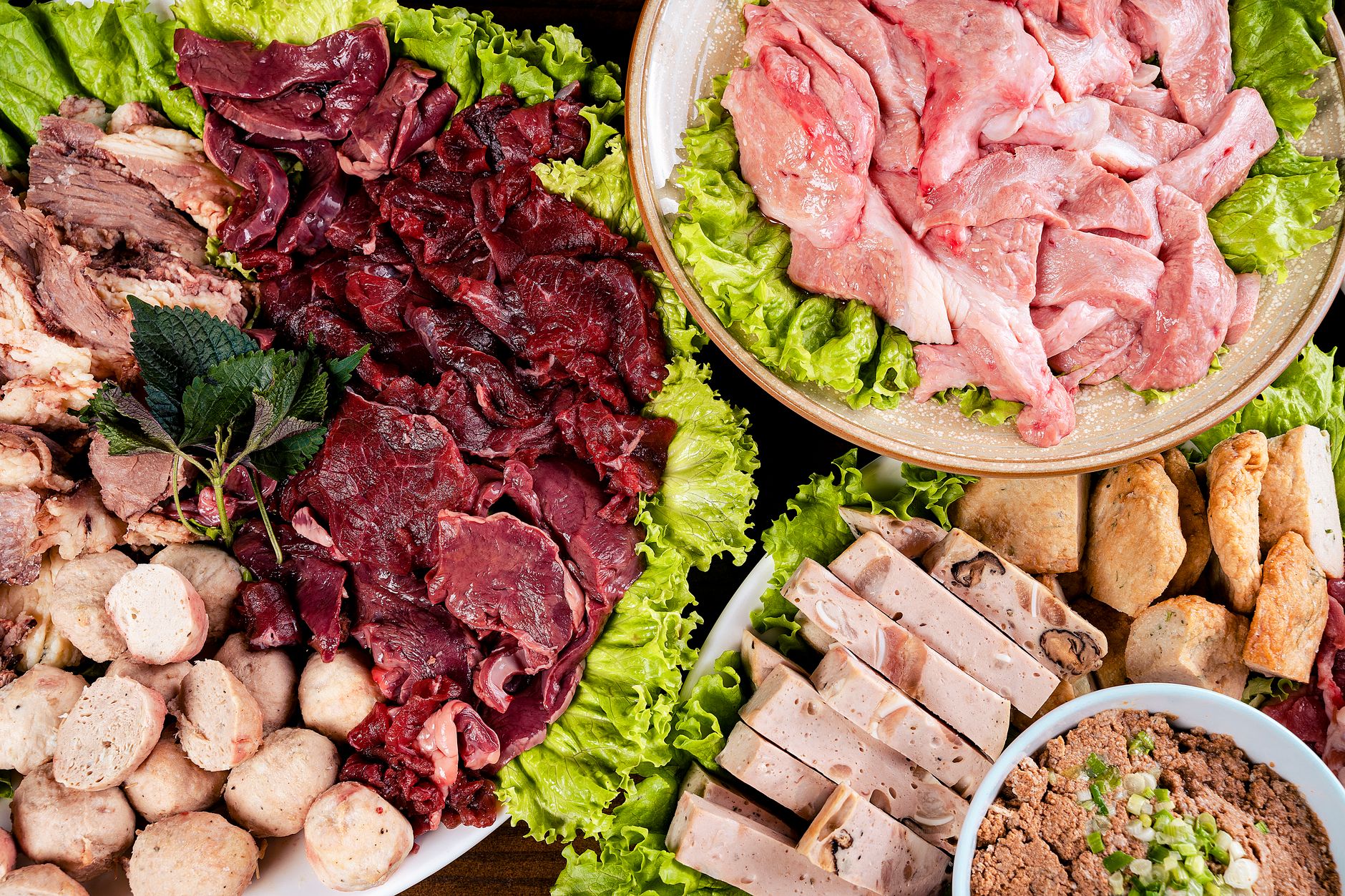
Understanding the foods that are rich in protein is crucial for anyone looking to maintain a balanced diet, support muscle growth, or simply stay healthy. Protein is vital for body functions, including tissue repair and immune system support. Knowing what foods have protein allows you to make informed choices while meal planning or cooking.
This article will explore various food sources of protein, including animal-based sources, plant-based options, serving sizes, and nutritional facts. By the end, you’ll have a comprehensive guide to incorporate protein-rich foods into your diet effectively.
What Food Have Protein?
Protein can be found in a wide variety of foods, both from animals and plants. Animal sources include meat, dairy, and eggs, while plant-based sources include legumes, nuts, seeds, and certain grains. Knowing the protein content can help you select the right foods based on your dietary needs.
Animal-Based Protein Sources
Animal-based protein sources are often considered complete proteins because they contain all essential amino acids. Here are some of the most popular options:
1. Meat
Different types of meat have varying protein contents. Here are some common varieties:
- Chicken Breast: A skinless, cooked chicken breast contains approximately 31 grams of protein per 100 grams.
- Beef: A 100-gram serving of cooked lean beef provides around 26 grams of protein.
- Pork: Lean pork, like tenderloin, has about 26 grams of protein per 100 grams.
- Turkey: Cooked turkey breast contains about 29 grams of protein per 100 grams.
2. Fish and Seafood
Fish and seafood are also excellent sources of protein and are often lower in fat than red meat. Some choices include:
- Salmon: Offers about 25 grams of protein per 100 grams, along with healthy omega-3 fatty acids.
- Tuna: Contains roughly 30 grams of protein per 100 grams, with very low fat content.
- Shrimp: Provides around 24 grams of protein per 100 grams and is low in calories.
3. Dairy Products
Dairy is a versatile protein source; here are some popular options:
- Greek Yogurt: This strained yogurt has about 10 grams of protein per 100 grams and is great for snacks or smoothies.
- Cottage Cheese: Offers approximately 11 grams per 100 grams, making it a great addition to various dishes.
- Milk: Regular whole milk contains about 3.4 grams of protein per 100 grams; however, skimmed or low-fat versions might have slightly more.
- Cheese: Varieties like cheddar provide about 25 grams of protein per 100 grams.
4. Eggs
Eggs are often hailed as a perfect protein source. One large egg typically contains about 6 grams of protein.
Plant-Based Protein Sources
For those following a vegetarian or vegan diet, various plant-based foods also offer ample protein. These options may be incomplete, requiring a combination for a complete amino acid profile.
1. Legumes
Legumes are an excellent source of plant-based protein. Common options include:
- Lentils: Cooked lentils provide about 9 grams of protein per 100 grams.
- Chickpeas: Also known as garbanzo beans, they contain approximately 8 grams of protein per 100 grams when cooked.
- Black Beans: Offer around 8.9 grams of protein per 100 grams cooked.
2. Nuts and Seeds
Nuts and seeds are nutrient-dense and rich in protein; however, they also contain fats:
- Almonds: About 21 grams of protein per 100 grams.
- Chia Seeds: Contain approximately 17 grams of protein per 100 grams and are known for their fiber content.
- Peanuts: Almost 25 grams of protein per 100 grams, making them a tasty snack option.
3. Whole Grains
Certain grains also contribute to protein intake:
- Quinoa: This seed is often used as a grain substitute and has about 14 grams of protein per 100 grams cooked.
- Brown Rice: Contains approximately 2.6 grams of protein per 100 grams cooked.
- Oats: Provide around 2.5 grams of protein per 100 grams when cooked.
4. Soy Products
Soy-based foods are popular among vegetarians and vegans for their high protein content:
- Tofu: Contains about 8 grams of protein per 100 grams, depending on the firmness.
- Tempeh: A fermented soy product that provides approximately 19 grams of protein per 100 grams.
- Edamame: Young soybeans cooked provide about 11 grams of protein per 100 grams.
Combining Protein Sources for a Balanced Meal
To achieve a complete amino acid profile on a plant-based diet, combining different protein sources is essential. Here are some suggestions:
- Lentils and Rice: Together, they provide a complete protein profile.
- Peanut Butter on Whole Grain Bread: This combination offers healthy fats and proteins.
- Hummus and Pita: Chickpeas in hummus mixed with whole-grain pita make for a delicious snack.
Practical Tips for Including Protein in Your Diet
Incorporating protein into your meals doesn’t have to be challenging. Here are some simple strategies:
- Breakfast: Add Greek yogurt, nuts, or eggs to your morning routine for sustained energy.
- Snacks: Keep protein-rich snacks like string cheese, nuts, or protein bars on hand.
- Cooking: Use lentils, black beans, or quinoa in salads and soups to increase protein content.
- Meal Prep: Prepare meals ahead of time using protein sources like chicken or tofu to save time during busy days.
Protein Needs by Age and Activity Level
Your protein needs may vary based on age, sex, and physical activity level. Generally, adults should aim for 46 grams for women and 56 grams for men. Active individuals, especially athletes, may require more—sometimes 1.2 to 2.0 grams per kilogram of body weight, depending on training intensity.
Common Misconceptions About Protein
Here are some common myths regarding protein consumption:
- High-protein diets are unhealthy: While excessive protein intake can have side effects, moderate amounts, especially from diverse sources, are beneficial.
- Protein is only needed for muscle building: Protein is essential for many bodily functions, including immune health and hormone production.
- Plant proteins are inferior to animal proteins: While some plant proteins are incomplete, combining sources can provide balanced nutrition.
Cooking Techniques for Protein-Rich Foods
Different cooking methods can enhance the flavor and texture of protein-rich foods. Here are some effective techniques:
1. Grilling and Roasting
Grilling or roasting meats and vegetables can enhance flavors and create appealing textures. For meats, aim for an internal temperature of:
- Beef: 145°F (medium-rare)
- Poultry: 165°F
- Fish: 145°F
2. Boiling and Steaming
Boiling or steaming legumes and grains preserves nutrients and makes them easier to digest. Use enough water to cover them, bring to a boil, and then simmer until cooked. Cooking times vary by food type;
- Lentils: 15-20 minutes
- Brown rice: 40-45 minutes
- Quinoa: 15 minutes
3. Sautéing
Sautéing tofu, tempeh, or vegetables in a bit of olive oil can intensify flavors and add a satisfying crunch. Cook on medium heat for even browning.
Common Protein-Rich Recipes
Incorporating protein-rich foods into recipes can be easy and delicious. Here are a couple of suggestions:
- Protein Brownies: Use black beans or protein powder in a brownie mix for a healthy twist. Explore this Protein Brownies recipe.
- Protein Cookies: Substitute regular flour with chickpea or protein flour to make your cookies more nutrient-dense. Check out this Protein Cookies recipe.
Storage and Shelf Life of Protein-Rich Foods
Proper storage is key to maintaining the quality of protein-rich foods:
- Meat and Fish: Store raw meat and fish in the refrigerator for no more than two days. For longer preservation, freezing is recommended.
- Dairy Products: Keep dairy in the fridge and consume before the expiration date for maximum freshness.
- Legumes and Grains: Dried versions should be stored in a cool, dry place and can last for years. Cooked legumes and grains should be refrigerated and used within 3-5 days.
Protein is an essential macronutrient that supports almost every function in the body. By incorporating a mix of animal and plant-based protein sources, you can enjoy a balanced diet that fuels your body and satisfies your taste buds. Start planning your meals with these protein-rich options to enhance your health today!
To further inspire your cooking, explore more delicious Protein Brownies, tasty Protein Cookies, or various cooking tips available. Enjoy your culinary adventures and make protein-packed meals that fuel your body and delight your palate!