
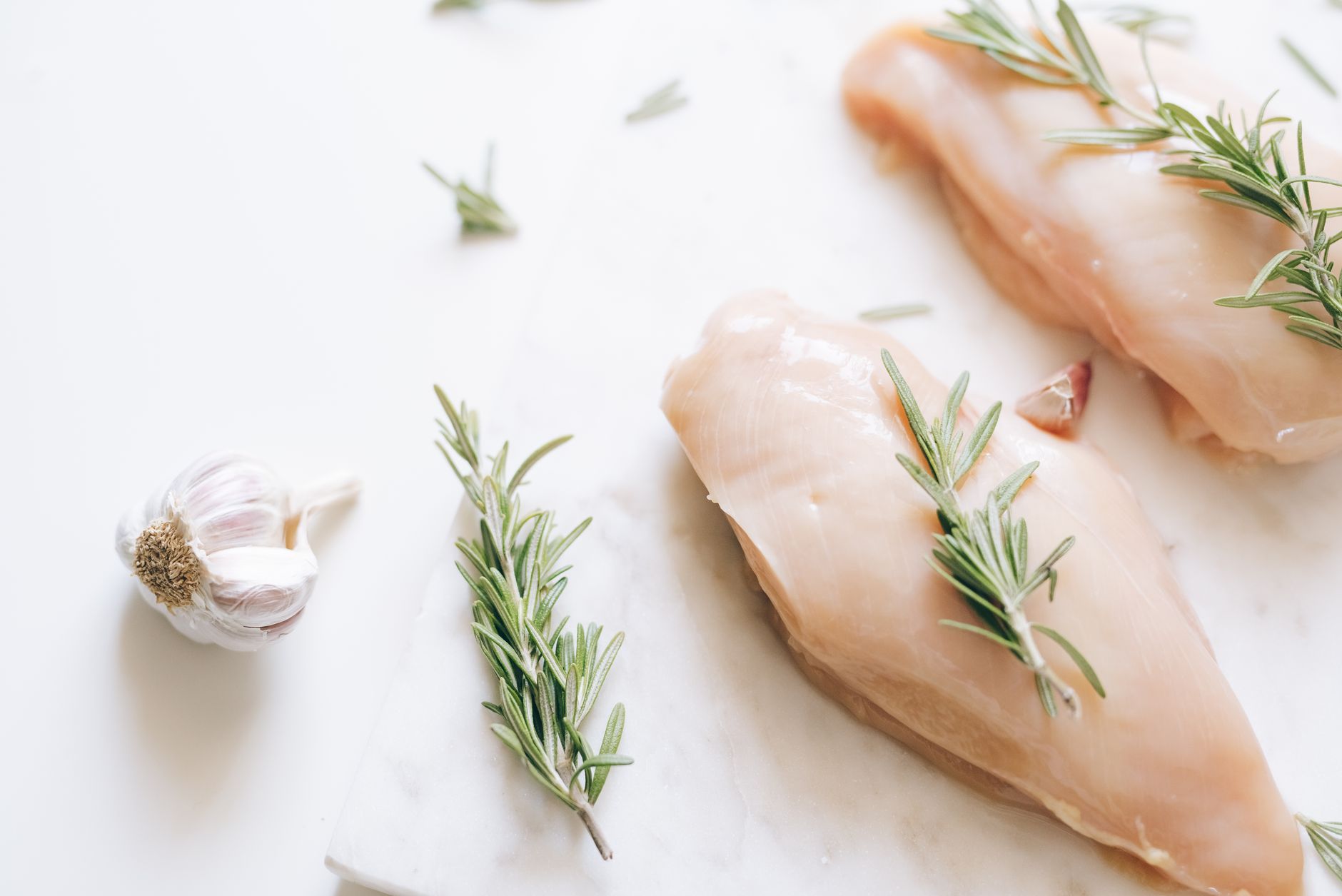
When planning meals or calculating nutritional information, knowing the weight of a chicken breast is essential. Chicken is a versatile protein source and can be prepared in countless ways. However, the weight can vary significantly based on the cut and size, making accurate measurements important.
This guide explores the many aspects of chicken breast sizing, including average weights, serving suggestions, and tips on cooking and storing chicken to maximize its flavor and safety.
How Many Grams Is a Chicken Breast?
The weight of a chicken breast typically ranges from 150 grams to 300 grams, depending on whether it is a small, medium, or large breast. On average, a standard boneless, skinless chicken breast weighs around 170 to 200 grams.
Understanding Chicken Breast Sizes
Chicken breasts can vary in size, especially when considering various breeds, farming methods, and cuts. It’s important to gauge their weights accurately for recipes or meal prep.
Small Chicken Breasts
Small chicken breasts usually weigh between 100 to 150 grams. They are ideal for single servings and quick meals. Their smaller size lends itself to faster cooking times, making them perfect for stir-fries and salads.
Medium Chicken Breasts
Medium-sized chicken breasts average around 170 to 200 grams. They are the most commonly sold size in grocery stores and are suitable for a standard meal portion. These are optimal for grilling, baking, or slow cooking.
Large Chicken Breasts
Large chicken breasts can weigh 250 grams or more. They are often double the size of a standard serving and can be quite filling. They are great for recipes requiring stuffed chicken or larger servings for meal prep.
Why Is Knowing the Weight Important?
Understanding the weight of chicken breasts is crucial for various reasons:
- Nutritional Planning: Accurate weight measurements ensure you meet your dietary goals, especially if you are tracking macros or calories.
- Recipe Accuracy: Many recipes specify ingredients by weight. Using precise measurements helps achieve the desired taste and texture.
- Portion Control: Knowing the weights can assist in meal prepping and maintaining proper portion sizes for healthy eating.
Cooking Techniques for Chicken Breasts
Once you’ve calculated the weight of your chicken breast, the next step is deciding how to cook it. Here are some popular methods:
Grilling Chicken Breasts
Grilling is a popular method that adds a delicious smoky flavor. For juicy grilled chicken breasts, follow these steps:
- Preheat your grill to medium-high heat.
- Season chicken breasts with your choice of herbs and spices.
- Place the chicken on the grill, cooking for approximately 6-7 minutes per side, or until the internal temperature reaches 75°C (165°F).
Baking Chicken Breasts
Baking chicken breasts offers a simple, hands-off cooking method. Here’s how to do it:
- Preheat your oven to 200°C (400°F).
- Season the chicken as desired.
- Arrange on a baking sheet and bake for 20-30 minutes, depending on size, or until cooked through.
Stovetop Cooking
Cooking chicken breasts on the stovetop is effective and quick:
- Heat a tablespoon of oil over medium heat in a skillet.
- Season chicken breasts and place them in the skillet.
- Cook for about 5-7 minutes on each side or until the internal temperature reaches 75°C (165°F).
Common Mistakes When Cooking Chicken Breasts
Even seasoned cooks can make mistakes when it comes to preparing chicken breasts. Here are some common pitfalls to avoid:
- Overcooking: This can lead to dry chicken. Use a meat thermometer for precise cooking.
- Not Resting: Allow chicken to rest after cooking for 5 minutes to keep it juicy.
- Inadequate Seasoning: Proper seasoning enhances flavor. Don’t skip this step.
Meal Planning with Chicken Breasts
Chicken breasts are an excellent source of lean protein, making them a staple in meal planning. Here are some tips for incorporating them into your meals:
Batch Cooking
Consider batch cooking chicken breasts at the beginning of the week. This ensures you have protein ready for various meals:
- Cook several chicken breasts using your preferred method.
- Store cooked chicken in the fridge for use in salads, wraps, and casseroles.
Ingredient Pairing
Chicken pairs well with various ingredients. Here are a few combinations to try:
- Vegetables: Roasted or sautéed vegetables complement chicken perfectly.
- Grains: Serve with quinoa, rice, or couscous for a complete meal.
- Legumes: Beans and lentils provide an excellent protein boost.
Portion Sizes
Aiming for 85-140 grams of chicken breast per meal can help control your protein intake. Here is a simple guide:
| Weight of Chicken Breast | Servings |
|---|---|
| 100 grams | 1 serving |
| 150 grams | 1-2 servings |
| 200 grams | 2 servings |
| 250 grams | 2-3 servings |
Storing and Reheating Chicken Breasts
Proper storage and reheating techniques are vital to ensuring your chicken breast remains safe to eat and retains its flavor:
Storing Cooked Chicken
Cooked chicken breasts can be stored in an airtight container in the refrigerator for up to four days. For longer storage, consider freezing:
- Allow cooked chicken to cool to room temperature.
- Wrap tightly in plastic wrap or aluminum foil, then place in a freezer-safe bag.
- Label and date each package before freezing.
Reheating Chicken Breasts
When ready to eat, follow these reheating methods while maintaining safety:
- Reheat in the oven at 180°C (350°F) for about 15-20 minutes until warmed through.
- Use the microwave on medium power for 2-3 minutes, ensuring it heats evenly.
Recipe Ideas with Chicken Breasts
There are countless ways to prepare and enjoy chicken breasts. Here are a few ideas:
Grilled Chicken Salad
A refreshing salad loaded with grilled chicken, mixed greens, and your favorite dressing.
Chicken Stir-Fry
Quickly sauté chicken with colorful vegetables and serve over rice or noodles for a satisfying meal.
Baked Chicken with Vegetables
Roast chicken breasts with seasonal veggies for an all-in-one delicious dinner that’s easy to prepare.
Conclusion
Understanding the weight of chicken breasts, how to cook them effectively, and incorporating them thoughtfully into your meals can elevate your culinary planning and help meet your nutritional needs. Whether you are grilling, baking, or sautéing, chicken offers a wealth of possibilities for any meal.
For more guidance on food storage, explore how long cooked chicken lasts or learn if you can freeze cooked chicken.