
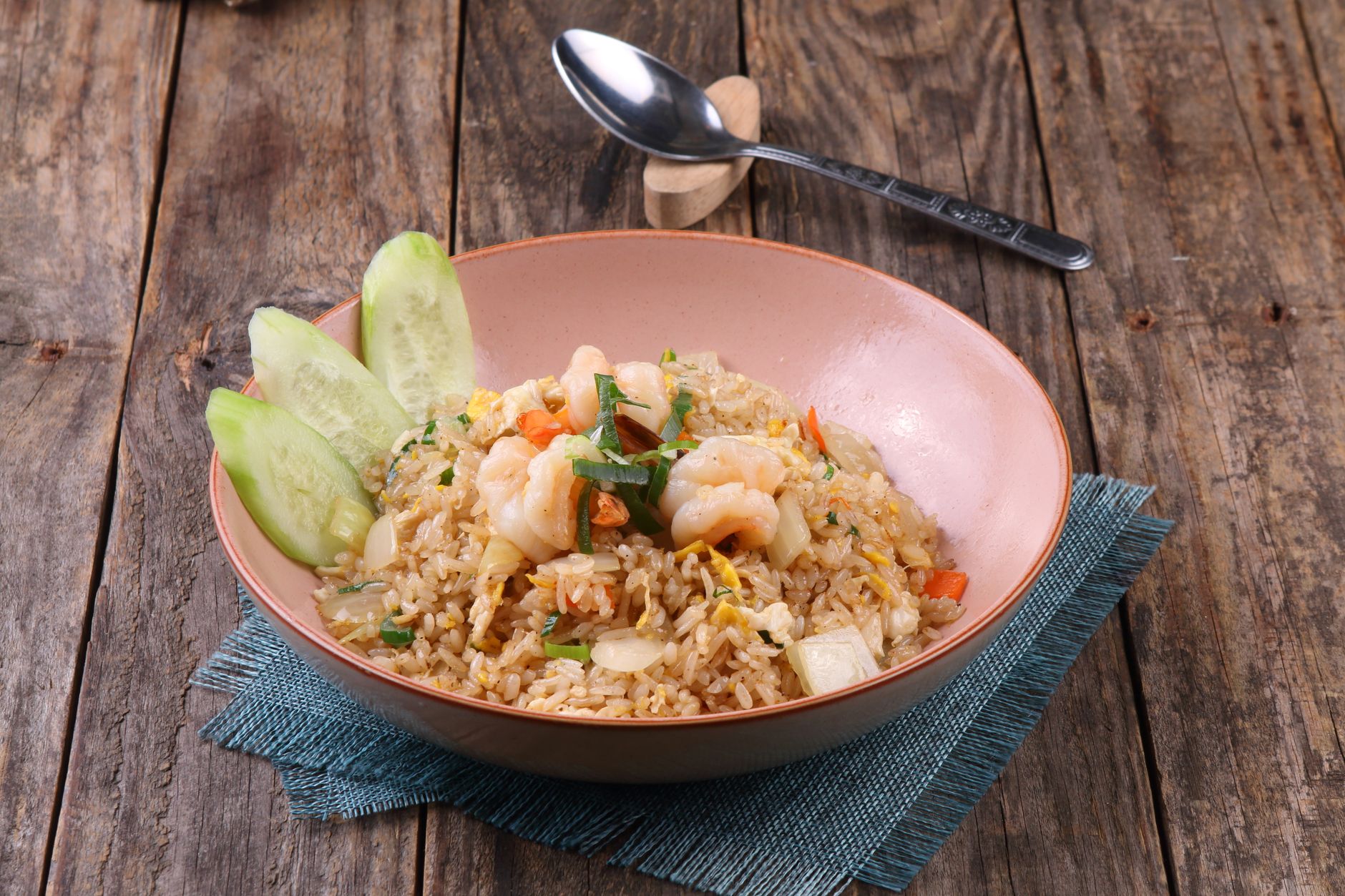
Fried rice is a beloved dish enjoyed by many around the world, characterized by its savory flavors and delightful textures. But where did this popular meal originate, and how did it evolve into the variants we see today? Understanding the history and cultural significance of fried rice can enhance your appreciation for this dish and inspire you to create your interpretation.
This article will explore the roots of fried rice, tracing its origins, variations, and its journey across cultures. Join us as we delve into the fascinating history behind this quintessential comfort food.
Where Did Fried Rice Come from?
Fried rice originated in China during the Sui Dynasty (589–618 AD), where it was created as a way to use leftover rice, promoting resourcefulness in cooking. This simple dish quickly evolved and spread throughout Asia, adapting to regional tastes and ingredients. Today, fried rice is enjoyed globally in various forms, each with unique flavors and cooking methods.
The Origins of Fried Rice
The earliest records of fried rice can be traced back to China. It was first prepared using leftover rice from a previous meal, which was stir-fried along with a mix of vegetables and proteins. The dish aimed to minimize food waste, an essential practice in ancient Chinese culture. By the time of the Sui Dynasty, fried rice had become a popular culinary choice among the Chinese populace.
Throughout history, rice has held cultural significance in Asia. It represented prosperity and fertility, making it an integral part of daily life and celebrations. As trade routes expanded and cultural exchanges took place, fried rice evolved, incorporating local flavors, ingredients, and cooking techniques.
How Fried Rice Spread Across Asia
As fried rice traveled across Asia, it adapted to various culinary traditions. Each region added its flair, resulting in numerous local versions of the dish. Here are some notable adaptations:
Chinese Fried Rice
In its home country, Chinese fried rice is often made with a combination of vegetables, egg, and proteins such as chicken, shrimp, or pork. Soy sauce and scallions are commonly used to enhance flavor. The most popular versions include Yangzhou fried rice and Cantonese-style fried rice.
Thai Fried Rice
Known as Khao Pad, Thai fried rice infuses bold flavors such as garlic, shallots, and lime. It’s typically made with jasmine rice and accompanied by fresh vegetables and proteins. The use of spices and herbs gives it a distinct citrusy essence, often garnished with cucumber and served with lime wedges.
Japanese Fried Rice
In Japan, fried rice is known as Chahan. This version emphasizes the use of day-old rice to achieve the perfect texture. Common ingredients include green peas, carrots, and protein sources like chicken or seafood, seasoned with soy sauce or Mirin, enhancing its umami flavor.
Korean Fried Rice
In Korea, fried rice is referred to as Bokkeumbap. It often incorporates kimchi, giving the dish a spicy and tangy flavor profile. The addition of various vegetables and meat makes it a hearty meal, and it’s commonly topped with a fried egg.
International Variations of Fried Rice
Fried rice also made its way beyond Asia, inspiring a variety of international interpretations that reflect local ingredients and culinary traditions. Some of these include:
Arroz Chaufa (Peru)
Peruvian fried rice, known as Arroz Chaufa, highlights the influences of Chinese immigrants in Peru. This dish blends Chinese flavors with Peruvian ingredients like spicy peppers, grilled chicken, and a variety of vegetables, often finished with a drizzle of soy sauce.
Spanish Arroz Frito
Spanish fried rice offers a savory flavor profile with tomatoes, chorizo, and saffron. The use of spices and herbs mirrors the Spanish approach to cooking, integrating rich flavors and maintaining moisture in the rice.
Puerto Rican Arroz con Pollo
In Puerto Rico, Arroz con Pollo is a staple. Though not exactly fried rice, it embodies similar qualities, combining rice with chicken, vegetables, and vibrant spices such as saffron and cumin, resulting in a colorful and hearty dish.
Ingredients for Traditional Fried Rice
While regional variations dictate the specific ingredients used, traditional fried rice typically includes the following:
- Cooked and cooled rice (preferably day-old)
- Vegetables (carrots, peas, bell peppers, onions)
- Protein (chicken, shrimp, pork, tofu)
- Egg
- Soy sauce
- Garlic and ginger
- Green onions (for garnish)
Techniques for Cooking Fried Rice
Cooking perfect fried rice requires mastering a few key techniques that ensure the dish is flavorful and textured just right. Here are some essential tips:
Choosing the Right Rice
Using day-old rice is crucial for fried rice. Freshly cooked rice is often too moist and can become mushy when stir-fried. Day-old rice, being drier, separates better during cooking, creating the desired texture.
Equipment
To prepare fried rice, it’s essential to have the right tools:
- Wok or large skillet: This allows for better heat distribution.
- Spatula: For stirring and tossing ingredients.
- Cutting board and knife: For chopping vegetables and proteins.
Cooking Steps
- Start by heating your wok or skillet over medium-high heat.
- Add a tablespoon of oil (vegetable or sesame oil works well) to the pan.
- Add your protein first (if using), cooking until well-done, then remove and set aside.
- Add more oil if needed, then sauté minced garlic and ginger for 30 seconds until fragrant.
- Add chopped vegetables, cooking until tender.
- Add the day-old rice to the pan, breaking up any clumps, and stir-fry for about 2-3 minutes.
- Incorporate the cooked protein, soy sauce, and whisked eggs, mixing well until eggs are cooked.
- Finish with green onions and serve hot.
Common Mistakes to Avoid
Improving your fried rice can be as simple as avoiding a few common mistakes:
- Using Wet Rice: As mentioned, using freshly cooked rice can lead to a soggy dish.
- Overcrowding the Pan: Adding too many ingredients can cool the pan and prevent proper frying.
- Not Using Enough Heat: A high heat ensures a great stir-fry, giving the rice a delightful char.
Fried Rice Serving Suggestions
Fried rice can stand alone as a quick meal or be paired with complementary dishes:
- Serve with spring rolls or dumplings for a complete Asian-inspired meal.
- Pair with a side of stir-fried vegetables to balance the flavors.
- Top with a drizzle of soy sauce or chili oil for added flavor.
Make-Ahead and Storage Tips
Fried rice is an easy meal prep option. Here’s how you can efficiently prepare and store it:
Make-Ahead Tips
You can prep ingredients in advance—chop vegetables and proteins and refrigerate. For quick execution, have your soy sauce and seasonings measured and ready.
Storage Guidelines
To store fried rice:
- Let the fried rice cool completely before transferring it to an airtight container.
- Store it in the refrigerator for up to 3-4 days.
- When reheating, ensure it’s heated thoroughly to 165°F (74°C) for safety.
The Cultural Significance of Fried Rice
Fried rice is more than just a popular dish; it’s a representation of culture and tradition. It embodies resourcefulness and creativity in the kitchen, turning leftover ingredients into a flavorful and satisfying meal. Various cultures have developed their versions, enriching the global culinary landscape and connecting diverse communities through food.
Fried rice’s quick and versatile nature also reflects modern cooking practices, making it an accessible choice for families and individuals alike. Whether enjoyed at a restaurant or made at home, fried rice continues to thrive as a beloved comfort food.
Conclusion
Fried rice has an intriguing history that intertwines with cultural practices across Asia and beyond. Initially developed as a way to minimize food waste, it has transformed into a dish celebrated globally for its versatility and flavor. By understanding its rich heritage, you can gain a deeper appreciation for this dish when preparing it in your kitchen.
To further enrich your culinary repertoire, consider exploring related recipes and cooking tips, such as the delectable Benihana Fried Rice Recipe or the flavorful Puerto Rican Rice Recipe for a diverse twist on rice dishes. Enjoy your cooking journey!